By mumu
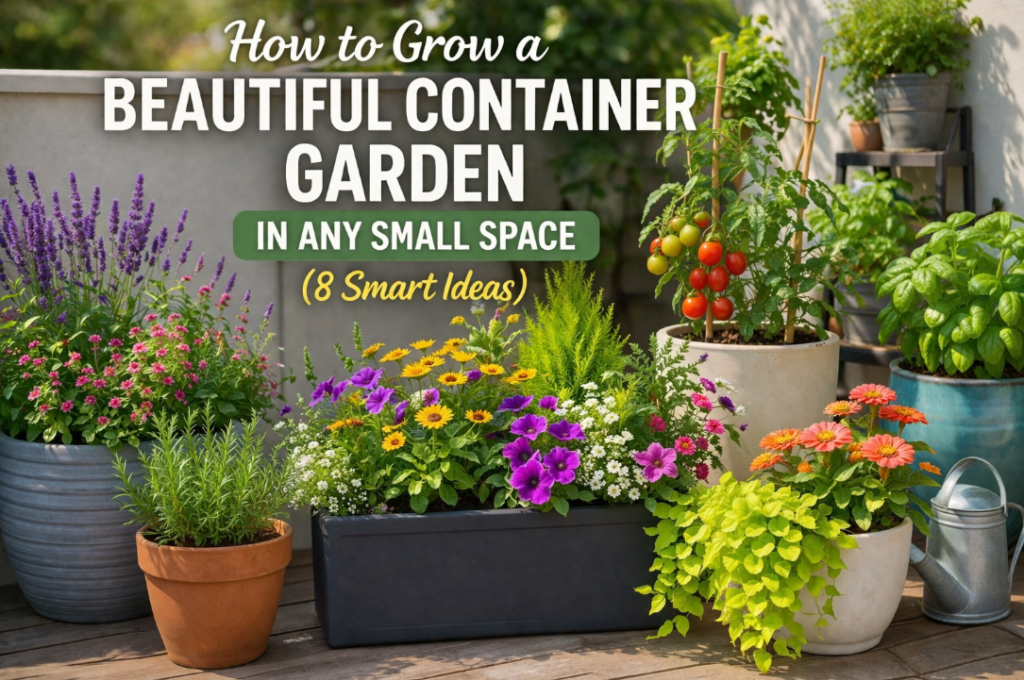
Limited space is no barrier to a beautiful, productive garden. Some of the most inspiring gardens I’ve ever seen were tiny balconies, narrow patios, and small apartment windowsills — transformed into lush, overflowing spaces with nothing more than a collection of well-chosen containers and a little creativity.
Container gardening in small spaces is all about thinking vertically, choosing the right plants, and making every square inch count. With the right approach, even the smallest outdoor or indoor space can become a thriving garden that produces fresh food, beautiful flowers, and a genuine sense of connection with nature.
Here are 8 smart container gardening ideas for small spaces that will help you make the most of whatever space you have.
Table of Contents
- Go Vertical with Stacked Planters
- Use Every Inch of Your Railing
- Hang Baskets from Above
- Turn Walls into Gardens
- Make the Most of Windowsills
- Use Tiered Plant Stands
- Choose Multipurpose Containers
- Grow Compact Plant Varieties
- Best Plants for Small Space Container Gardens
- Top Tips for Small Space Container Gardening
1. Go Vertical with Stacked Planters
The single most effective way to maximize a small space garden is to think vertically. Instead of spreading containers across the floor, stack them upward to create a living wall of plants that takes up minimal floor space but provides maximum growing area.
Vertical tower planters, stackable pot systems, and tiered planters are all excellent options that allow you to grow 6, 8, or even 12 plants in the footprint of a single large container.
| Vertical Planter Type | Best For | Space Required |
|---|---|---|
| Tower planters | Strawberries, herbs, lettuce | 1–2 square feet of floor space |
| Stackable pot systems | Herbs, flowers, small vegetables | 1 square foot of floor space |
| Wall-mounted pocket planters | Herbs, lettuce, succulents | Zero floor space — wall mounted |
| Pallet gardens | Herbs, flowers, succulents | Zero floor space — leans against wall |
Key tip: When using vertical planters, the top pockets or tiers receive more sun and dry out faster than lower ones. Plant sun-loving, drought-tolerant plants at the top and moisture-loving plants toward the bottom.
2. Use Every Inch of Your Railing
If you have a balcony or deck with a railing, you have prime gardening real estate that most people completely ignore. Railing planters clip or hook directly onto railings and hold a surprising amount of soil — enough for herbs, flowers, strawberries, and even small lettuce plants.
A standard 6-foot railing can hold 3–4 railing planters, each growing 2–3 plants. That’s potentially 12 plants using zero floor space — just the railing that was already there.
Best plants for railing planters:
- Herbs: basil, thyme, mint, chives, parsley
- Flowers: petunias, calibrachoa, marigolds
- Food: strawberries, lettuce, radishes
3. Hang Baskets from Above
Hanging baskets are one of the most space-efficient options for small space container gardening. They use overhead space — often completely wasted in small gardens — and create a beautiful, layered effect that makes even a tiny balcony feel lush and full.
| Hanging Option | Best Plants | Notes |
|---|---|---|
| Traditional hanging baskets | Petunias, fuchsia, calibrachoa | Hook from ceiling or overhang |
| Hanging herb planters | Basil, mint, chives, parsley | Keep near kitchen for easy access |
| Hanging strawberry planters | Strawberries | Berries hang down beautifully |
| Macramé plant hangers | Trailing houseplants, herbs | Beautiful indoors near sunny windows |
Key tip: Hanging baskets dry out faster than ground-level containers because they’re exposed to air on all sides. Check them daily and water more frequently, especially in hot weather.
4. Turn Walls into Gardens
Bare walls are some of the most underused growing space in small gardens. Wall-mounted planters, pocket planters, and trellis systems can transform a bare wall into a vertical garden that grows herbs, flowers, vegetables, and more.
- Fabric pocket planters — Hang from a hook or nail, hold multiple plants in individual pockets
- Mounted planter boxes — Attach directly to walls for a clean, modern look
- Trellis with climbing plants — Grow cucumbers, beans, or climbing flowers up a wall trellis
- Pegboard with small pots — A pegboard with S-hooks lets you hang small pots in any arrangement
5. Make the Most of Windowsills
A sunny windowsill is one of the most valuable growing spaces in a small home. Even a single south-facing windowsill can support a productive herb garden that supplies fresh herbs for cooking year round.
| Window Direction | Light Level | Best Plants |
|---|---|---|
| South-facing | Bright, direct sun | Herbs, succulents, peppers, tomatoes |
| East-facing | Morning sun, afternoon shade | Herbs, lettuce, begonias |
| West-facing | Afternoon sun | Herbs, flowers, most vegetables |
| North-facing | Low, indirect light | Pothos, snake plant, ferns, peace lily |
Key tip: Use a window box on the outside of your windowsill to double your growing space without using any interior room at all.
6. Use Tiered Plant Stands
A tiered plant stand lets you grow multiple containers in the footprint of a single large pot. By stacking plants at different heights, you also create a more interesting, layered visual display that looks intentional and beautiful rather than cluttered.
A 3-tier plant stand holding 9 small pots takes up less than 2 square feet of floor space — and can grow 9 different herbs, flowers, or small vegetables simultaneously.
Best plants for tiered stands: Herbs, succulents, small flowers, strawberries, lettuce, and any other compact plants that don’t need large containers.
7. Choose Multipurpose Containers
In a small space, every container should work as hard as possible. Multipurpose containers — ones that serve both a functional and decorative purpose — are ideal for small space container gardening.
- Window boxes as room dividers — A row of tall window boxes filled with bamboo or tall grasses creates privacy on a balcony while also growing plants
- Pot clusters as focal points — Group 3–5 containers of different heights together to create a garden focal point that takes up minimal space
- Edible AND ornamental planting — Plant colorful Swiss chard, purple basil, or flowering kale in decorative containers — beautiful and edible at the same time
- Self-watering containers — Ideal for small spaces where you might forget to water — they water themselves from a built-in reservoir
8. Grow Compact Plant Varieties
Choosing the right plant varieties is just as important as choosing the right containers when gardening in small spaces. Many vegetables and fruits now come in dwarf or patio varieties specifically bred for container growing in limited spaces.
| Plant | Compact Variety | Container Size Needed |
|---|---|---|
| Tomatoes | Tiny Tim, Tumbling Tom, Patio | 5 gallons |
| Cucumbers | Bush Pickle, Patio Snacker | 5 gallons |
| Peppers | Lunchbox, Patio Bell | 3–5 gallons |
| Beans | Bush beans (not pole beans) | 5 gallons |
| Blueberries | Top Hat, Sunshine Blue | 5–7 gallons |
9. Best Plants for Small Space Container Gardens
| Plant | Why It’s Great for Small Spaces | Minimum Container Size |
|---|---|---|
| Herbs | Compact, productive, grow in tiny pots | 6 inches |
| Lettuce and salad greens | Shallow roots, fast-growing, cut-and-come-again | 6 inches deep |
| Radishes | Fastest vegetable — ready in 3–4 weeks | 6 inches deep |
| Strawberries | Compact, productive, beautiful in hanging baskets | 8 inches |
| Petunias and calibrachoa | Continuous color, perfect for railings and hanging baskets | 8 inches |
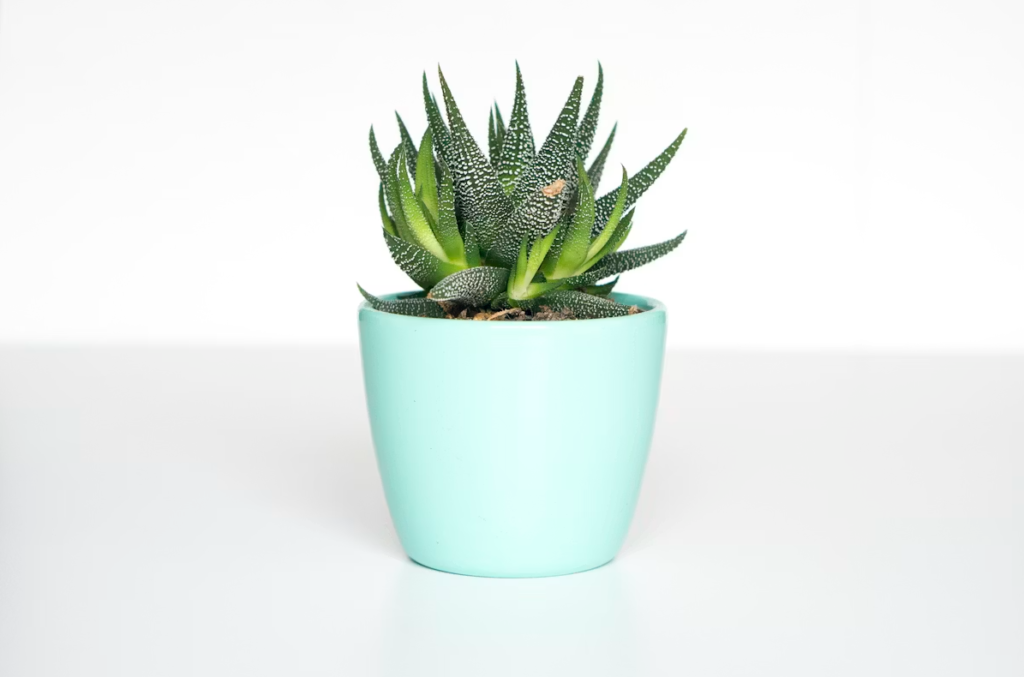
| Succulents | Tiny containers, very low maintenance | 4 inches |
10. Top Tips for Small Space Container Gardening
- Think in layers — Use floor containers, railing planters, and hanging baskets together to create a layered garden that uses all available space
- Keep paths clear — Even in a small space, leave enough room to move comfortably between containers for watering and harvesting
- Use mirrors — A mirror on a wall behind your containers creates the illusion of a much larger garden space
- Choose lightweight containers — On balconies especially, keep weight limits in mind and choose plastic, fiberglass, or fabric containers
- Succession plant — As one crop finishes, replace it immediately with the next season’s plants to keep every container productive all year
- Keep it simple — A few well-chosen, well-maintained containers always look better than a cluttered collection of overcrowded pots
Final Thoughts
Small spaces and great gardens are not mutually exclusive. With the right containers, the right plants, and a little creative thinking about how to use vertical space, even the tiniest balcony, patio, or windowsill can become a lush, productive, and beautiful container garden.
Start with one or two of the ideas above, see what works best in your space, and build from there. Your small space garden might just surprise you with how much it can grow. 🌿
Have questions about container gardening in small spaces? Visit the Contact page — I’d love to hear from you!
— mumu, Green Garden Tips