By mumu
Overwatering is the number one killer of container plants. More plants die from too much water than from any other cause — including pests, disease, and neglect. And the truly frustrating thing about overwatering is that it often looks exactly like underwatering, which leads many gardeners to add even more water and make the problem worse.
The good news is that overwatering is entirely preventable once you understand why it happens and what to look for. With a few simple changes to how you water your container plants, you can eliminate overwatering completely and keep your plants healthy and thriving all season long.
Here is everything you need to know about how to prevent overwatering in pots.
Table of Contents
- Why Overwatering Kills Container Plants
- Signs of Overwatering in Container Plants
- Overwatering vs Underwatering: How to Tell the Difference
- How to Prevent Overwatering in Pots
- The Role of Drainage in Preventing Overwatering
- Choosing the Right Soil to Prevent Overwatering
- Best Pot Types to Prevent Overwatering
- How to Fix an Overwatered Plant
- Tools That Help Prevent Overwatering
- Top Tips to Prevent Overwatering in Containers
1. Why Overwatering Kills Container Plants
Plant roots need both water AND oxygen to survive. When soil stays constantly wet, all the air pockets between soil particles fill with water — and the roots are deprived of the oxygen they need. Without oxygen, roots begin to suffocate and die.
Dead and dying roots can no longer absorb water or nutrients. They also become vulnerable to root rot fungi that thrive in wet, oxygen-deprived conditions. Once root rot sets in, it spreads quickly and can kill a plant within days.
This is why overwatered plants often look like they’re dying of thirst — they literally are. Their roots are so damaged they can no longer deliver water to the rest of the plant, even when surrounded by wet soil.
2. Signs of Overwatering in Container Plants
| Symptom | What It Means |
|---|---|
| Yellow leaves | Roots suffocating — most common early sign of overwatering |
| Wilting despite wet soil | Roots damaged by rot, unable to deliver water to leaves |
| Soft, mushy stems at the base | Root rot spreading up into the stem |
| Mold or algae on soil surface | Soil staying too wet for too long |
| Fungus gnats flying around soil | Larvae thrive in consistently moist soil |
| Leaves dropping while still green | Plant shedding leaves to reduce water demand |
| Brown, mushy roots | Root rot — healthy roots should be white and firm |
3. Overwatering vs Underwatering: How to Tell the Difference
Because overwatering and underwatering can look similar, it’s important to check the soil before drawing any conclusions.
| Symptom | Overwatering | Underwatering |
|---|---|---|
| Soil condition | Wet, soggy, stays moist for days | Bone dry, pulling away from pot edges |
| Wilting | Soft, mushy wilting despite wet soil | Crispy, dry wilting — soil is dry |
| Leaf color | Yellow, pale, or dropping while green | Brown, crispy leaf edges and tips |
| Pot weight | Very heavy | Very light |
| Roots | Brown, mushy, rotting smell | Dry, shriveled, white or tan |
Simple rule: Always check the soil before watering. Stick your finger 1 inch into the soil. If it feels moist, don’t water. If it feels dry, water thoroughly.
4. How to Prevent Overwatering in Pots
Preventing overwatering is much easier than fixing it. Follow these simple rules every time you water:
- Check before you water — Use the finger test every time. Only water when the top 1 inch of soil feels dry.
- Never water on a fixed schedule — A plant’s water needs change with temperature, weather, and season. Check the soil instead of following a calendar.
- Water deeply but infrequently — Water thoroughly until it drains from the bottom, then allow the soil to partially dry before watering again.
- Adjust for the season — Water more in hot summer weather, much less in cool fall and winter conditions.
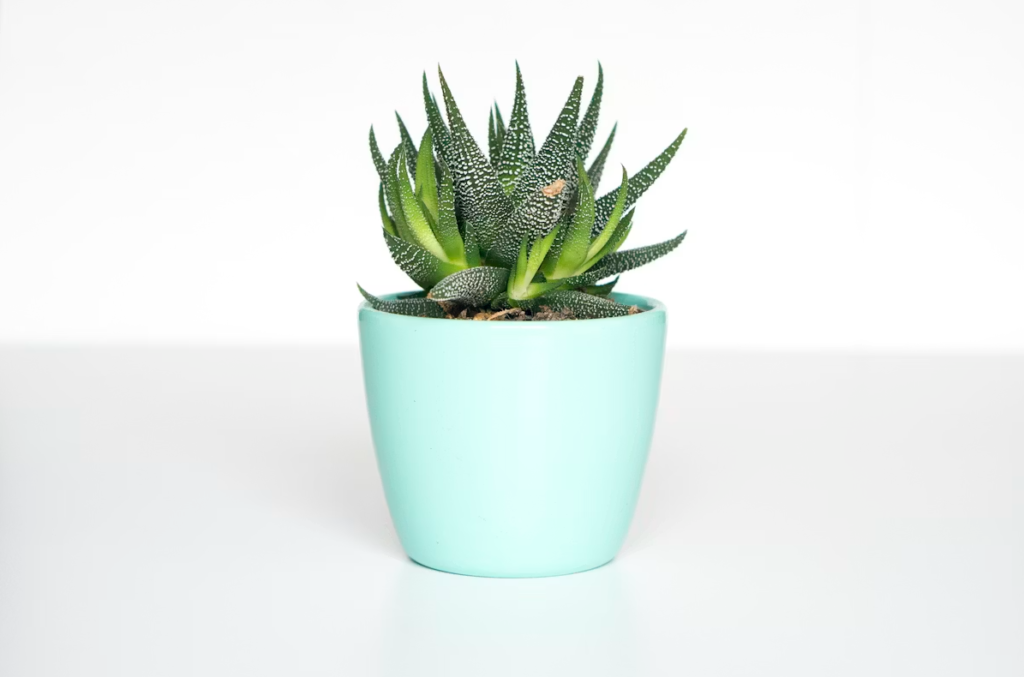
- Consider the plant type — Succulents and cacti need to dry out completely between waterings. Tropical plants prefer consistently moist soil. Know your plant’s needs.
5. The Role of Drainage in Preventing Overwatering
Good drainage is the single most important factor in preventing overwatering in containers. Even if you water perfectly, a container without drainage holes will become waterlogged — because there is nowhere for excess water to go.
| Drainage Rule | Why It Matters |
|---|---|
| Always use pots with drainage holes | Allows excess water to escape — prevents waterlogging |
| Empty saucers after 30 minutes | Roots sitting in standing water will rot |
| Never use gravel at the bottom of pots | Gravel actually raises the water table inside the pot — making drainage worse, not better |
| Elevate pots slightly | Allows air to circulate under the pot and drainage to flow freely |
Important: The old advice to put a layer of gravel at the bottom of pots to “improve drainage” is a myth. Research has shown that gravel at the bottom actually creates a perched water table that keeps the soil above it wetter for longer. Skip the gravel and use well-draining potting mix instead.
6. Choosing the Right Soil to Prevent Overwatering
The right potting mix drains well while retaining just enough moisture for plant roots. Dense, heavy soil stays wet too long and dramatically increases the risk of overwatering.
- Always use potting mix — Never use garden soil in containers. Garden soil compacts in pots and drains very poorly.
- Add perlite — Adding 20–30% perlite to your potting mix improves drainage significantly and reduces overwatering risk.
- Use cactus mix for succulents — Succulent and cactus-specific mixes drain much faster than regular potting mix — essential for drought-tolerant plants.
- Replace old potting mix — Old potting mix becomes compacted and hydrophobic over time, holding water in some areas while repelling it in others.
7. Best Pot Types to Prevent Overwatering
| Pot Type | Overwatering Risk | Why |
|---|---|---|
| Terracotta | Low ✅ | Porous walls allow moisture to evaporate — soil dries faster |
| Fabric grow bags | Very low ✅ | Air pruning through fabric walls dries soil quickly |
| Plastic | Medium ⚠️ | Non-porous — soil stays moist longer. Check more carefully before watering. |
| Glazed ceramic | Medium ⚠️ | Non-porous like plastic — monitor soil moisture carefully |
| No drainage holes | Very high ❌ | Water cannot escape — overwatering is almost inevitable |
8. How to Fix an Overwatered Plant
If you’ve already overwatered a plant, act quickly. The sooner you intervene, the better the chances of recovery.
- Stop watering immediately — Allow the soil to dry out as much as possible
- Move to a warm, airy spot — Good air circulation helps the soil dry faster
- Remove from decorative cachepots — If the plant is sitting inside a decorative container without drainage, remove it immediately
- Check the roots — Gently remove the plant from its pot and examine the roots. Healthy roots are white and firm. Rotting roots are brown and mushy.
- Trim rotting roots — Cut away all brown, mushy roots with clean scissors
- Repot in fresh, dry soil — Use a well-draining potting mix with added perlite
- Water very sparingly — After repotting, allow the plant to recover for 1–2 weeks before returning to a normal watering routine
9. Tools That Help Prevent Overwatering
| Tool | How It Helps |
|---|---|
| Moisture meter | Takes the guesswork out of watering — insert the probe and read the moisture level instantly |
| Self-watering pots | Plants draw water up from a reservoir only when they need it — prevents overwatering automatically |
| Terracotta pots | Porous walls allow excess moisture to evaporate naturally |
| Watering can with narrow spout | Gives precise control over how much water you apply |
10. Top Tips to Prevent Overwatering in Containers
- Check soil daily — Make it a morning habit. 30 seconds per pot is all it takes.
- Use the finger test every time — Never assume the soil is dry. Always check.
- Water less in cool and cloudy weather — Plants use much less water when it’s cool or overcast.
- Use terracotta or fabric pots — These dry out faster and are much more forgiving of occasional overwatering.
- Know your plant — Learn whether your plant prefers moist or dry conditions and water accordingly.
- When in doubt, don’t water — It’s almost always easier to recover a slightly underwatered plant than a severely overwatered one.
Final Thoughts
Overwatering is the most common and most preventable cause of container plant death. Once you understand why it happens and learn to check your soil before every watering, you’ll almost never overwater again.
The golden rule of container gardening: when in doubt, wait. Your plants will thank you for it. 💧
Have questions about watering container plants? Visit the Contact page — I’d love to hear from you!
— mumu, Green Garden Tips