By mumu
Forgetting to water your plants is one of the most common reasons container gardens fail. Life gets busy, temperatures rise, and before you know it your plants are wilting or worse. Self-watering pots solve this problem elegantly — and they’re one of the best investments a beginner container gardener can make.
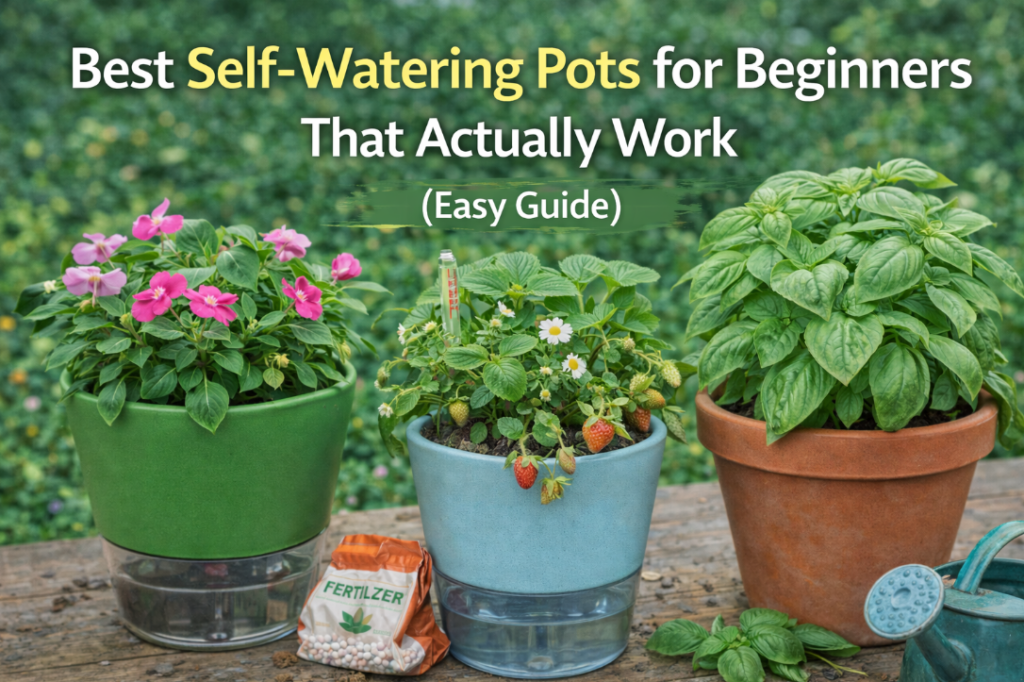
Self-watering containers work by storing water in a built-in reservoir at the bottom of the pot. Plants draw water up through the soil from the reservoir as they need it — a process called capillary action. The result is consistently moist soil, healthier roots, and dramatically less time spent watering.
Here is everything you need to know about the best self-watering pots for beginners — how they work, what to look for, and which plants grow best in them.
Table of Contents
- How Self-Watering Pots Work
- Benefits of Self-Watering Pots
- Types of Self-Watering Containers
- How to Choose the Best Self-Watering Pot
- Best Soil for Self-Watering Pots
- Best Plants for Self-Watering Containers
- How to Use Self-Watering Pots Correctly
- Common Mistakes to Avoid
- Self-Watering Pots vs Regular Pots
- Top Tips for Using Self-Watering Pots
1. How Self-Watering Pots Work
Self-watering pots have two separate sections — a growing chamber on top where the plant and soil sit, and a water reservoir below. The two sections are separated by a platform with wicking holes or a wicking system that draws water upward from the reservoir into the soil above.
When you water, you fill the reservoir through a fill tube on the side of the pot rather than watering from the top. The plant then draws water up from the reservoir as it needs it — maintaining consistently moist soil without overwatering or underwatering.
| Component | Function |
|---|---|
| Growing chamber | Upper section — holds the plant and potting mix |
| Water reservoir | Lower section — stores water for the plant to draw from |
| Wicking system | Draws water from reservoir up into the soil by capillary action |
| Fill tube | Allows you to fill the reservoir without wetting the soil from above |
| Overflow hole | Prevents the reservoir from overfilling — excess water drains out |
| Water level indicator | Shows how much water remains in the reservoir |
2. Benefits of Self-Watering Pots
| Benefit | Detail |
|---|---|
| Consistent moisture | Plants receive water exactly when they need it — no feast or famine cycles |
| Less watering required | Reservoirs hold days or weeks of water — perfect for busy people |
| Healthier roots | Roots grow downward toward the water source — deeper, stronger root systems |
| Reduced overwatering risk | Plants control their own water intake — overwatering is nearly impossible |
| Better plant performance | Consistent moisture produces more vigorous growth, better flowering, and higher yields |
| Water efficiency | Uses up to 50% less water than top watering — reservoir water doesn’t evaporate |
| Holiday-friendly | Large reservoirs can keep plants watered for days or weeks while you’re away |
3. Types of Self-Watering Containers
| Type | Best For | Notes |
|---|---|---|
| Self-watering planter pots | Flowers, herbs, vegetables | Most common type — available in many sizes and styles |
| Self-watering window boxes | Herbs, flowers, lettuce | Perfect for balconies and windowsills |
| Self-watering raised bed planters | Vegetables, large plantings | Large reservoir — can go weeks without refilling |
| Self-watering hanging baskets | Trailing flowers, herbs | Solves the problem of hanging baskets drying out too fast |
| Self-watering indoor planters | Houseplants, indoor herbs | Stylish designs for indoor use, often with water level indicators |
4. How to Choose the Best Self-Watering Pot
When choosing a self-watering pot, consider these key factors:
- Reservoir size — A larger reservoir means less frequent refilling. Look for pots with reservoirs that hold at least 1–2 liters for outdoor use.
- Water level indicator — Essential for knowing when to refill without guessing. Choose pots with a clear, easy-to-read indicator.
- Overflow drainage — Must have an overflow hole to prevent waterlogging during heavy rain if used outdoors.
- Growing chamber depth — Deeper growing chambers support larger plants with deeper root systems.
- Material — Plastic is lightweight and affordable. Resin and fiberglass look more attractive. Choose based on your budget and aesthetic preference.
- Size — Match the pot size to the plant you want to grow — the same rules apply as with regular containers.
5. Best Soil for Self-Watering Pots
Soil choice is especially important in self-watering containers. The soil must be able to wick water upward efficiently from the reservoir to the root zone.
- Use a high-quality, lightweight potting mix — Heavy or dense soil doesn’t wick water well
- Avoid adding too much perlite — Perlite improves drainage but reduces wicking ability. Use no more than 10–15% perlite in self-watering pots.
- Add compost — Compost improves wicking and provides nutrients
- Never use garden soil — Too dense and compacts quickly in self-watering containers
Key difference from regular containers: In regular pots you want maximum drainage. In self-watering pots you want good wicking — soil that holds some moisture and draws water upward efficiently.
6. Best Plants for Self-Watering Containers
| Plant | Why It Thrives in Self-Watering Pots |
|---|---|
| Tomatoes | Need consistent moisture — inconsistent watering causes blossom end rot |
| Peppers | Benefit greatly from consistent moisture during flowering and fruiting |
| Lettuce and salad greens | Need consistent moisture for sweet, non-bitter leaves |
| Herbs (basil, parsley, chives) | Thrive with consistent moisture — especially basil |
| Flowers (petunias, impatiens) | Produce more blooms with consistent moisture |
| Strawberries | Need consistent moisture for juicy, flavorful berries |
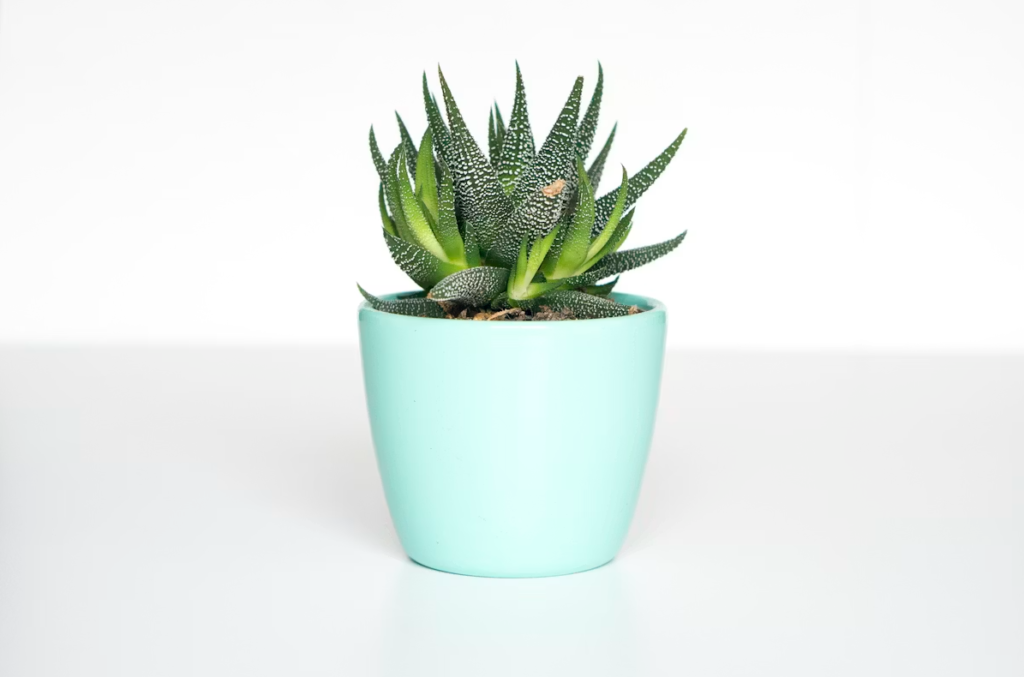
Plants to avoid in self-watering pots: Succulents, cacti, lavender, rosemary, and other drought-tolerant plants that need to dry out completely between waterings. The constant moisture in self-watering pots will cause these plants to rot.
7. How to Use Self-Watering Pots Correctly
- Fill the growing chamber with your prepared potting mix — pack it slightly more firmly than you would in a regular pot to improve wicking
- Plant your plant in the center of the growing chamber
- Water from the top for the first 2–3 weeks — this encourages roots to grow downward toward the reservoir
- Switch to reservoir filling once roots have established — fill the reservoir through the fill tube until water appears at the overflow hole
- Check the water level indicator every few days and refill when low
- In winter, empty the reservoir completely to prevent freezing damage if using outdoors
8. Common Mistakes to Avoid
- Using self-watering pots for drought-tolerant plants — Succulents and cacti will rot in the constantly moist conditions
- Top watering instead of using the reservoir — Once established, always fill from the reservoir to encourage deep root growth
- Letting the reservoir run completely dry — Check the water level indicator regularly and refill before it empties
- Using dense, heavy soil — Poor wicking means the reservoir water never reaches the roots effectively
- Forgetting to empty in winter — Water in the reservoir can freeze and crack the pot in cold climates
9. Self-Watering Pots vs Regular Pots
| Feature | Self-Watering Pots | Regular Pots |
|---|---|---|
| Watering frequency | Every few days to weeks | Daily in hot weather |
| Overwatering risk | Very low | High for beginners |
| Underwatering risk | Very low | High in hot weather |
| Water efficiency | Up to 50% less water used | More water lost to evaporation |
| Cost | More expensive upfront | Less expensive |
| Best for | Busy gardeners, moisture-loving plants, hot climates | All plants, drought-tolerant plants, beginners on a budget |
10. Top Tips for Using Self-Watering Pots
- Water from the top for the first few weeks — Encourages roots to grow downward toward the reservoir
- Check the water level indicator regularly — Don’t let the reservoir run dry during hot weather
- Use a good wicking potting mix — The right soil makes all the difference in how well the system works
- Empty the reservoir in winter — Prevents freezing damage in cold climates
- Clean the reservoir annually — Flush with clean water to remove any salt buildup from fertilizers
- Add liquid fertilizer to the reservoir — An easy way to fertilize — the plant draws up nutrients along with water
Final Thoughts
Self-watering pots are one of the best investments a beginner container gardener can make. They take the guesswork out of watering, produce healthier plants, use less water, and are especially valuable for busy people who can’t check their containers every day.
If you’ve ever struggled with keeping container plants properly watered — or if you travel frequently and worry about your plants — self-watering pots are the solution you’ve been looking for. 🌿
Have questions about self-watering pots? Visit the Contact page — I’d love to hear from you!
— mumu, Green Garden Tips