By mumu
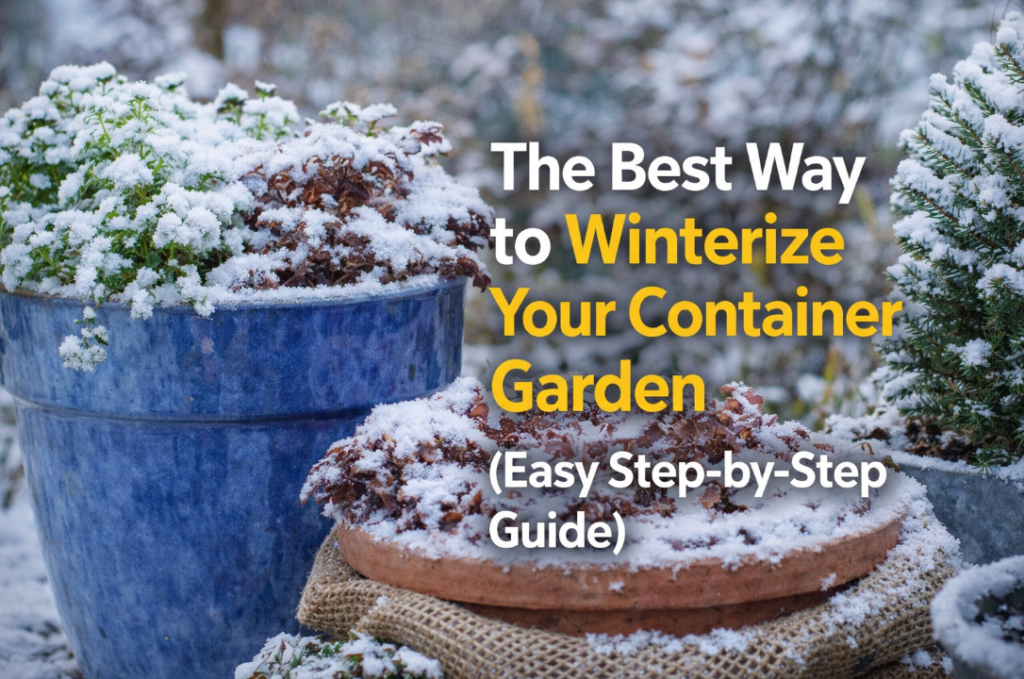
As temperatures drop and the growing season comes to an end, container gardeners face a challenge that in-ground gardeners don’t — their plants are exposed to cold from all sides, including through the pot walls, and are far more vulnerable to frost damage than plants growing in the ground.
The good news is that winterizing a container garden is straightforward once you know what to do. With a little preparation before the first frost, you can protect your plants, save your pots, and set yourself up for an even better growing season next year.
Here is a complete guide on how to winterize your container garden — step by step.
Table of Contents
- Why Container Plants Need Extra Winter Protection
- Assess Your Plants Before Winter
- Plants to Bring Indoors for Winter
- Plants That Can Stay Outside in Winter
- How to Protect Container Plants Left Outside
- How to Protect Your Pots from Frost Damage
- Watering Container Plants in Winter
- Storing Empty Containers for Winter
- Winter Preparation Checklist
- Top Tips for Winterizing Container Gardens
1. Why Container Plants Need Extra Winter Protection
Plants growing in containers are significantly more vulnerable to cold and frost than plants in the ground — for two important reasons.
First, container roots are surrounded by air on all sides — through the pot walls. This means the root zone gets much colder than in-ground soil, which is insulated by the earth around it. A container plant’s roots can freeze solid in temperatures that would leave an in-ground plant’s roots perfectly comfortable.
Second, container plants can’t access groundwater when the soil freezes. In prolonged freezing weather, container soil can freeze completely, leaving roots with no access to water — a condition called winter desiccation that can kill even cold-hardy plants.
| Risk | Cause | Prevention |
|---|---|---|
| Root freezing | Cold penetrates through pot walls | Insulate pots, move to sheltered location |
| Pot cracking | Water in soil expands as it freezes | Use frost-proof pots, empty and store non-frost-proof pots |
| Winter desiccation | Frozen soil prevents water absorption | Water before hard freezes, move to sheltered spot |
| Wind damage | Winter winds dry out evergreen foliage | Move to sheltered location or wrap with burlap |
2. Assess Your Plants Before Winter
Before the first frost arrives, go through your containers and categorize each plant into one of three groups:
- Tender plants — Tropical and subtropical plants that will die if exposed to frost. Must be brought indoors.
- Hardy plants — Cold-tolerant plants that can survive winter outdoors with some protection.
- Annual plants — Plants that complete their life cycle in one season. Let them finish, compost the spent plants, and clean the containers for next year.
Knowing which category each plant falls into determines exactly what you need to do to prepare it for winter.
3. Plants to Bring Indoors for Winter
| Plant Type | Examples | When to Bring In |
|---|---|---|
| Tropical plants | Hibiscus, bougainvillea, mandevilla, citrus | Before first frost — when nights drop below 50°F (10°C) |
| Tender herbs | Basil, lemongrass, rosemary (in cold climates) | Before first frost |
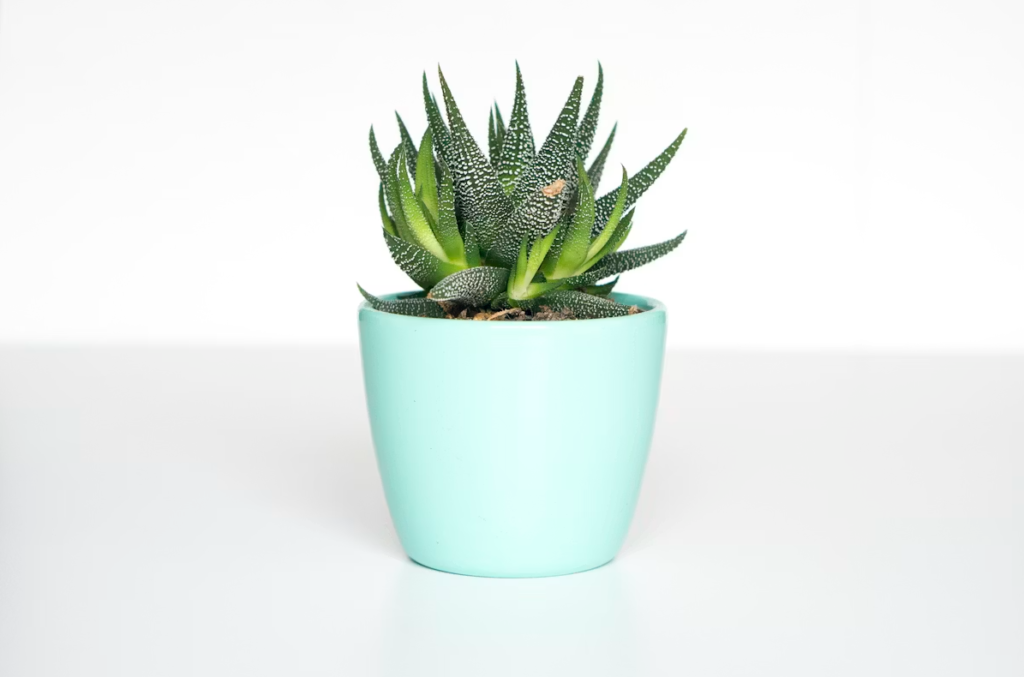
| Succulents and cacti | Echeveria, aloe, most cacti | Before temperatures drop below 40°F (4°C) |
| Tender bulbs | Dahlias, cannas, begonia tubers | After first frost blackens foliage — dig up and store dry |
Before bringing plants indoors:
- Inspect carefully for pests — check under leaves and at soil level
- Treat any pest problems before bringing inside — you don’t want to introduce pests to your home
- Gradually reduce light and temperature over 1–2 weeks to ease the transition indoors
- Clean pots and remove dead leaves and debris
4. Plants That Can Stay Outside in Winter
| Plant | Cold Hardiness | Winter Care Needed |
|---|---|---|
| Sempervivum (Hens and Chicks) | Very cold hardy — survives frost and snow | Minimal — just ensure good drainage |
| Sedum | Cold hardy | Move to sheltered spot in very cold climates |
| Ornamental grasses | Most are cold hardy | Leave standing for winter interest, cut back in spring |
| Hardy shrubs in large containers | Cold hardy but need root protection | Insulate containers, move to sheltered location |
| Pansies | Cold tolerant — handle light frost | Move to sheltered spot in hard freezes |
5. How to Protect Container Plants Left Outside
For container plants that are staying outside through winter, there are several ways to provide additional protection:
- Move to a sheltered location — Against a south-facing wall, under an overhang, or in an unheated garage or shed. Even a few degrees of shelter makes a significant difference.
- Insulate the pot — Wrap containers with burlap, bubble wrap, or horticultural fleece to reduce heat loss through the pot walls.
- Cluster pots together — Grouped containers insulate each other and create a warmer microclimate.
- Mulch the soil surface — A thick layer of straw, bark mulch, or dead leaves on top of the soil insulates roots from freezing temperatures.
- Wrap the plant — For marginally hardy plants, wrap the above-ground parts with horticultural fleece during the coldest periods.
6. How to Protect Your Pots from Frost Damage
| Pot Material | Frost Risk | Winter Action |
|---|---|---|
| Terracotta | High — cracks when wet soil freezes | Move indoors or to a frost-free shed. If leaving outside, wrap with bubble wrap. |
| Glazed ceramic | High — can crack and shatter | Move indoors or store empty in a frost-free location |
| Plastic | Low — flexible and frost-resistant | Can stay outside — may become brittle over many winters |
| Fabric grow bags | Very low | Can stay outside or fold and store indoors |
| Fiberglass/resin | Low — most are frost-proof | Can stay outside in most climates |
7. Watering Container Plants in Winter
Watering container plants in winter requires a completely different approach than during the growing season.
- Water much less frequently — Plants are dormant or growing slowly and need far less water
- Check soil before watering — Only water if the soil has dried out significantly
- Water on mild days — Water when temperatures are above freezing to prevent ice formation around roots
- Don’t let pots dry out completely — Completely dry soil in winter can be just as damaging as frozen soil
- Indoor plants — Water even less than usual — lower light and cooler temperatures mean much slower water use
8. Storing Empty Containers for Winter
If you’re clearing containers of annual plants for winter, proper storage will extend the life of your pots significantly.
- Empty all soil from containers — wet soil freezing inside a pot is the primary cause of cracking
- Clean pots thoroughly with a brush and water — remove all soil, roots, and debris
- Allow to dry completely before storing
- Store terracotta and ceramic pots indoors or in a frost-free shed — upside down to prevent water collecting inside
- Plastic and resin pots can be stored outside — stack them to save space
- Fabric grow bags can be washed, dried, and folded flat for compact storage
9. Winter Preparation Checklist
| Task | When to Do It |
|---|---|
| Bring tender plants indoors | Before first frost |
| Check plants for pests before bringing inside | Before first frost |
| Move hardy containers to sheltered spots | Before first hard freeze |
| Insulate vulnerable containers | Before first hard freeze |
| Reduce watering for all plants | As temperatures drop in fall |
| Stop fertilizing | Early fall — 6 weeks before first frost |
| Clear and clean empty containers | After annual plants finish |
| Store frost-sensitive pots indoors | Before first hard freeze |
| Empty self-watering pot reservoirs | Before freezing temperatures arrive |
10. Top Tips for Winterizing Container Gardens
- Act before the first frost — Don’t wait for frost warnings to start winterizing. Have a plan and execute it before cold weather arrives.
- Know your hardiness zone — Understanding the minimum temperatures in your area helps you decide which plants need protection and which can survive outdoors.
- Use the garage or shed — An unheated but frost-free space is ideal for overwintering tender plants that don’t need much light in winter.
- Don’t overwater indoor overwintering plants — Most plants need very little water while dormant indoors in winter.
- Label plants you bring inside — It’s easy to forget what’s what by spring. Label containers clearly so you know what you have.
- Think ahead to spring — Winter is the perfect time to plan next year’s container garden, order seeds, and research new plants to try.
Final Thoughts
Winterizing your container garden takes a few hours of work in autumn but pays dividends for years to come. Protected plants come back stronger in spring, saved pots last for decades, and a little preparation means you’ll be ready to hit the ground running as soon as the growing season begins again.
Work through the checklist above before the first frost, and your container garden will be well-protected and ready for a great new season come spring. ❄️🌱
Have questions about winterizing your container garden? Visit the Contact page — I’d love to hear from you!
— mumu, Green Garden Tips