By mumu
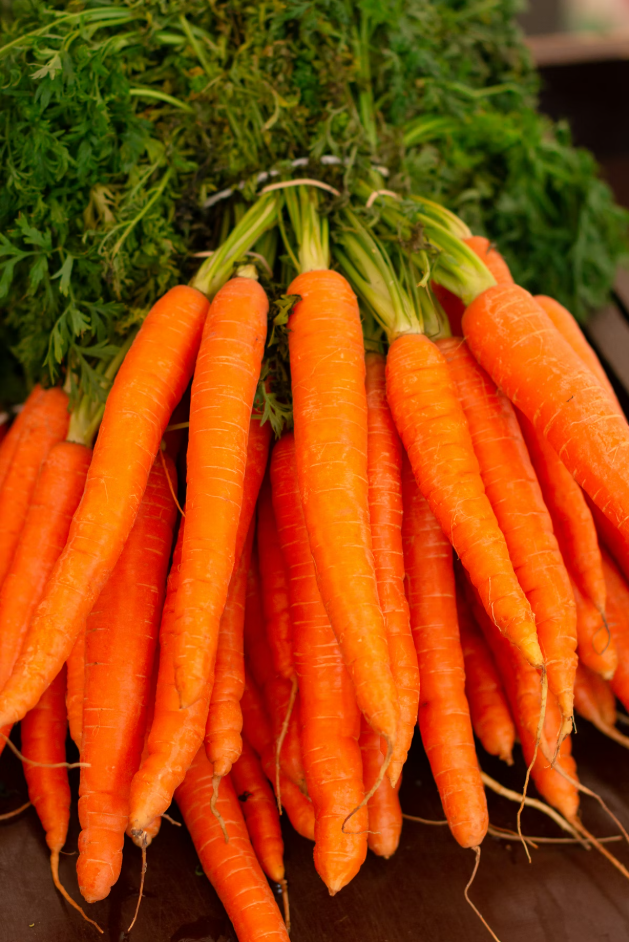
Carrots are one of the most satisfying vegetables to grow in containers. There’s something magical about pulling a perfectly formed, brightly colored carrot out of a pot you grew yourself — and the flavor of freshly harvested homegrown carrots is incomparably sweeter and more tender than anything from a store.
The key to growing carrots in containers successfully is choosing the right variety and the right container. Carrots need depth — but with the right setup, they grow beautifully in pots. Here is everything you need to know.
Table of Contents
- Best Carrot Varieties for Containers
- Choosing the Right Container for Carrots
- Best Soil for Growing Carrots in Containers
- How to Plant Carrots in Containers
- Sunlight Requirements
- How to Water Container Carrots
- How to Fertilize Carrots in Containers
- Thinning Carrot Seedlings
- Common Problems and Solutions
- When and How to Harvest Container Carrots
1. Best Carrot Varieties for Containers
The most important decision when growing carrots in containers is choosing the right variety. Short and round varieties are specifically bred for container growing and don’t need as much depth as full-size carrots.
| Variety | Length | Container Depth | Notes |
|---|---|---|---|
| Thumbelina | Round, golf ball size | 8 inches | Best for shallow containers — round shape needs minimal depth |
| Paris Market | Round, 1–2 inches diameter | 8–10 inches | Classic round variety — sweet flavor, perfect for pots |
| Chantenay Red Core | 4–6 inches | 10–12 inches | Short, broad carrot — excellent flavor, reliable in containers |
| Danvers Half Long | 6–7 inches | 12 inches | Classic variety adapted for shallow soils |
| Little Finger | 3–4 inches | 8–10 inches | Tiny, sweet baby carrots — perfect for snacking |
Best choice for beginners: Thumbelina or Paris Market — both are compact, don’t need deep containers, and have excellent sweet flavor.
2. Choosing the Right Container for Carrots
Depth is the most critical factor when choosing a container for carrots. A container that isn’t deep enough forces carrots to fork, twist, or stay small.
| Container Type | Minimum Depth | Best For |
|---|---|---|
| Standard deep pot | 12 inches deep | Most carrot varieties |
| Large fabric grow bag | 12 inches deep | All varieties — excellent drainage and root development |
| Wooden planter box | 12 inches deep | Multiple rows of carrots |
| Shallow pot (8 inches) | 8 inches deep | Round varieties only (Thumbelina, Paris Market) |
Key tip: Width matters too — a wider container allows you to grow more carrots. A 12-inch wide, 12-inch deep container can grow 10–15 carrots comfortably.
3. Best Soil for Growing Carrots in Containers
Soil quality is especially important for carrots. Dense, lumpy, or compacted soil causes forked, misshapen roots. Carrots need loose, fine-textured, stone-free soil to develop straight, well-formed roots.
Best soil mix for container carrots:
- 50% high-quality potting mix
- 30% sand or perlite (for loose, well-draining texture)
- 20% compost (for nutrients)
Critical rules for carrot soil:
- No stones, sticks, or large debris — these cause roots to fork around obstacles
- No fresh manure — causes forking and hairy roots
- No heavy clay — causes compaction that deforms roots
- Break up any clumps thoroughly before planting
4. How to Plant Carrots in Containers
Carrots must be grown from seed — they cannot be transplanted. Their long taproot is disturbed by transplanting and will not recover.
- Fill the container with prepared soil mix to within 1 inch of the top
- Sow seeds thinly across the surface — carrot seeds are tiny, so sprinkle carefully
- Cover with ¼ inch of fine soil and press gently
- Water gently with a fine mist — carrot seeds are easily washed away
- Keep soil consistently moist until germination — carrot seeds are slow to germinate (10–21 days)
- Be patient — carrot germination is slower than most vegetables
Succession planting tip: Sow a new batch of carrot seeds every 3 weeks from early spring through midsummer for a continuous harvest.
5. Sunlight Requirements
| Sunlight | Result |
|---|---|
| Full sun (6+ hours) | Best — fastest growth, sweetest flavor |
| Partial sun (4–6 hours) | Good — slightly slower growth but still productive |
| Less than 4 hours | Poor — very slow growth, small roots |
6. How to Water Container Carrots
Consistent watering is critical for well-formed, sweet carrots. Inconsistent moisture causes split roots, forking, and bitter flavor.
- Keep soil consistently moist throughout the growing season
- Water when the top inch of soil feels dry
- Water gently — strong water flow can expose and damage developing roots
- Never let carrot containers dry out completely — this causes roots to crack when rewatered
- Reduce watering slightly as carrots approach maturity to concentrate sugars and improve flavor
7. How to Fertilize Carrots in Containers
Carrots are light feeders that need less fertilizer than most container vegetables.
| Detail | Recommendation |
|---|---|
| Best fertilizer | Low-nitrogen fertilizer — high nitrogen causes excessive leaf growth at the expense of roots |
| Best NPK ratio | 5-10-10 or similar — low N, higher P and K |
| Frequency | Every 3–4 weeks during the growing season |
| What to avoid | High-nitrogen fertilizers — cause forked, hairy roots and poor flavor |
8. Thinning Carrot Seedlings
Thinning is one of the most important — and most commonly skipped — steps in growing container carrots. Overcrowded carrots compete for space and produce small, misshapen roots.
- Thin seedlings when they reach 1–2 inches tall
- For round varieties: thin to 2 inches apart
- For longer varieties: thin to 3–4 inches apart
- Snip thinnings at soil level with scissors rather than pulling — pulling can disturb neighboring roots
- The thinnings are delicious as microgreens — use them in salads!
9. Common Problems and Solutions
| Problem | Cause | Solution |
|---|---|---|
| Forked or twisted roots | Stones, clumps, or obstacles in soil | Use fine, stone-free potting mix next time |
| Small, stunted roots | Overcrowding or insufficient depth | Thin more aggressively, use deeper container |
| Cracked or split roots | Inconsistent watering | Water consistently — avoid drought followed by heavy watering |
| Poor germination | Soil too dry, too hot, or seeds too old | Keep soil moist, sow in cooler weather, use fresh seeds |
| Bitter flavor | Heat stress or harvested too late | Harvest when young, grow in cooler weather |
10. When and How to Harvest Container Carrots
Carrots are ready to harvest when the shoulders (the top of the root where it meets the soil) reach the expected diameter for your variety — usually 12–16mm for most varieties.
How to check: Gently brush away a little soil from around the top of one carrot and check the size. Don’t rely on the foliage size alone — large tops don’t always mean large roots.
How to harvest:
- Water the container thoroughly before harvesting to loosen the soil
- Grasp the carrot foliage close to the root and pull firmly and steadily upward
- For deeper varieties, insert a trowel alongside the root to loosen the soil first
- Harvest in the morning for the best flavor
Key tip: Carrots actually improve in flavor after a light frost — cold converts starches to sugars, making them sweeter. If growing in fall, leave them in the container through the first few frosts for maximum sweetness.
Final Thoughts
Growing carrots in containers is one of the most rewarding vegetable gardening projects you can take on. Choose a compact variety, use deep enough containers with fine loose soil, water consistently, and thin properly — and you’ll be pulling sweet, colorful homegrown carrots from your own pots in just a few months.
The moment you pull your first perfect carrot from a container you grew yourself is genuinely unforgettable. 🥕
Have questions about growing carrots in containers? Visit the Contact page — I’d love to hear from you!
— mumu, Green Garden Tips