est Soil M
By mumu
When I first started container gardening, I made a mistake that cost me an entire season of plants. I used regular garden soil from my backyard — it was free, it looked fine, and I assumed soil was just soil.
Within a few weeks, my plants were struggling. The soil had turned hard and compacted, water was pooling on the surface instead of draining through, and my roots were suffocating. I had to start over completely.
The lesson I learned the hard way: soil is not just soil. In container gardening, the soil you choose makes or breaks everything. The right mix keeps roots healthy, drains properly, and feeds your plants. The wrong mix does the opposite.
Here’s everything you need to know about choosing the best soil for your container garden.
Table of Contents
- Why Regular Garden Soil Fails in Containers
- What Makes a Good Potting Mix
- Key Ingredients to Look For
- Best Potting Mixes for Container Gardening
- Best Soil for Vegetables in Containers
- Best Soil for Herbs in Containers
- Best Soil for Flowers in Containers
- Best Soil for Succulents and Cacti
- How to Make Your Own Potting Mix
- What to Avoid
1. Why Regular Garden Soil Fails in Containers
Garden soil is designed to work in the ground, where it has unlimited space, natural drainage, and earthworms constantly aerating it from below. In a container, none of those conditions exist.
When you put garden soil in a pot, several problems happen quickly:
- Compaction — Without earthworms and natural soil movement, garden soil packs down tightly in a container, blocking air and water from reaching roots.
- Poor drainage — Compacted soil holds water instead of letting it drain, creating waterlogged conditions that rot roots.
- Pests and disease — Garden soil often contains weed seeds, fungal spores, and insects that can cause serious problems in the contained environment of a pot.
- Heavy weight — Garden soil is dense and heavy, which makes large containers extremely difficult to move.
No matter how good your garden soil looks, do not use it in containers. Always use a mix specifically formulated for pots.
2. What Makes a Good Potting Mix
A good potting mix for containers needs to do three things well:
- Drain properly — Water should flow freely through the mix and out the drainage holes. No waterlogging.
- Hold enough moisture — While draining excess water, it should still retain enough moisture to keep roots hydrated between waterings.
- Allow air to reach roots — Roots need oxygen as much as water. A good mix stays loose and airy even after repeated watering.
The best potting mixes strike a perfect balance between drainage, moisture retention, and aeration. This balance is achieved by combining different ingredients with different properties.
3. Key Ingredients to Look For
| Ingredient | What It Does | Why It Matters |
|---|---|---|
| Peat moss or coco coir | Retains moisture | Keeps soil from drying out too fast |
| Perlite | Improves drainage and aeration | Prevents compaction and root rot |
| Vermiculite | Retains moisture and nutrients | Helps with water and fertilizer efficiency |
| Compost | Adds nutrients | Feeds plants naturally over time |
| Bark or wood chips | Improves aeration | Keeps mix light and loose |
| Slow-release fertilizer | Feeds plants over months | Less frequent fertilizing needed |
When shopping for potting mix, check the label for these ingredients. A quality mix will list most of them. Avoid mixes that list only “composted materials” or “topsoil” — these are often just cheap garden soil in a bag.
4. Best Potting Mixes for Container Gardening
Not all potting mixes are created equal. Here are the types that consistently perform well for container gardeners:
| Type of Mix | Best For | Key Features |
|---|---|---|
| All-purpose potting mix | Most vegetables, herbs, flowers | Good balance of drainage and moisture retention |
| Vegetable and herb mix | Tomatoes, peppers, basil | Often enriched with extra nutrients and compost |
| Cactus and succulent mix | Succulents, cacti, lavender | Very fast draining, low nutrients |
| Orchid mix | Orchids, bromeliads, epiphytes | Chunky bark-based, excellent aeration |
| Seed starting mix | Starting seeds | Very fine texture, sterile, low nutrients |
5. Best Soil for Vegetables in Containers
Vegetables are heavy feeders — they need rich, nutrient-dense soil to produce a good harvest. For vegetables in containers, look for a potting mix that includes:
- Compost or aged manure for nutrients
- Perlite for drainage
- Slow-release fertilizer pellets
A good recipe for vegetable containers is to mix a quality all-purpose potting mix with about 20–30% compost. This adds nutrition without making the mix too heavy or dense.
Top tip for tomatoes: Tomatoes need deep, rich soil. Use the largest container you can manage and fill it with the most nutrient-rich mix available. Adding a handful of slow-release fertilizer at planting time gives tomatoes a strong start.
6. Best Soil for Herbs in Containers
Most herbs prefer soil that drains quickly and doesn’t stay wet for long. Herbs like basil, rosemary, thyme, oregano, and lavender all have roots that are sensitive to waterlogging.
For herbs, use a standard all-purpose potting mix and add about 20–25% extra perlite to improve drainage. This is especially important for Mediterranean herbs like rosemary, thyme, and lavender, which naturally grow in rocky, well-drained soil.
Exception: Mint and parsley prefer more moisture. Use a standard potting mix without extra perlite for these herbs.
7. Best Soil for Flowers in Containers
Most flowering plants do well in a standard all-purpose potting mix. Look for a mix that includes slow-release fertilizer, as flowering plants need consistent nutrition to keep blooming throughout the season.
For hanging baskets and window boxes, consider adding water-retaining crystals or gel to the potting mix. These absorb water and release it slowly, which helps prevent the rapid drying that hanging containers are prone to.
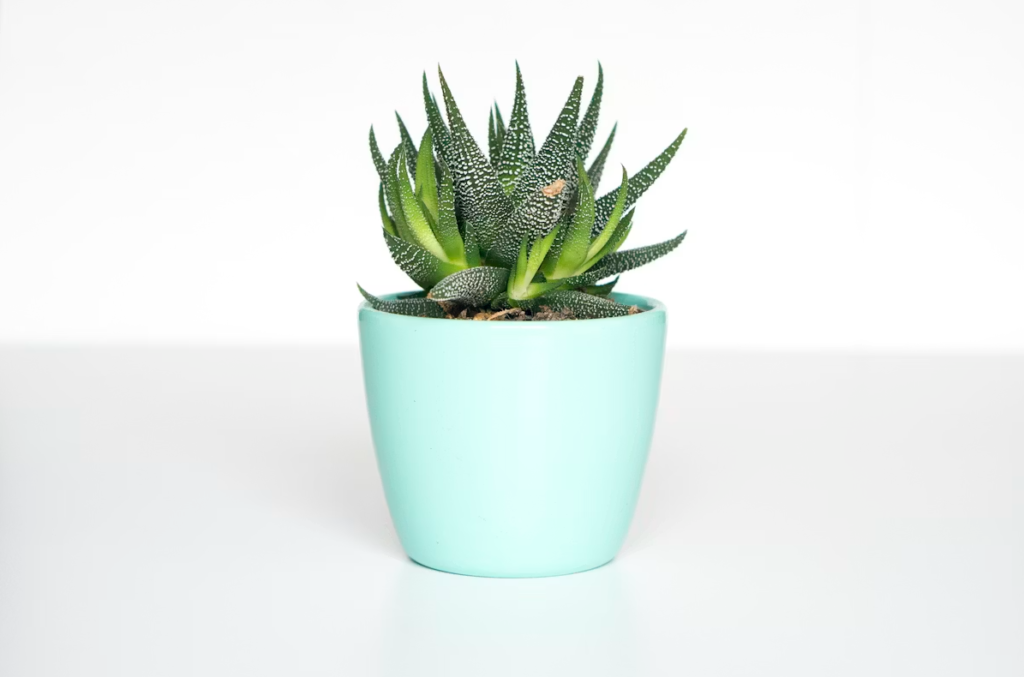
8. Best Soil for Succulents and Cacti
Succulents and cacti store water in their leaves and stems, which means they are extremely sensitive to overwatering and poorly draining soil. Regular potting mix holds far too much moisture for these plants.
Always use a mix specifically labeled for cacti and succulents. These mixes contain a high proportion of coarse sand, perlite, or grit that allows water to drain very quickly.
You can also make your own succulent mix by combining regular potting soil with coarse sand or perlite in a 50/50 ratio.
9. How to Make Your Own Potting Mix
Making your own potting mix is a great way to save money and customize the blend for your specific plants. Here are two simple recipes:
All-purpose container mix:
- 3 parts peat moss or coco coir
- 1 part perlite
- 1 part compost
- Small handful of slow-release fertilizer (optional)
Fast-draining mix (for herbs and succulents):
- 2 parts peat moss or coco coir
- 2 parts perlite or coarse sand
- 1 part compost
Mix all ingredients thoroughly before filling your containers. Moisten the mix slightly before use — dry potting mix can repel water at first, which makes it hard to water evenly.
10. What to Avoid
| What to Avoid | Why |
|---|---|
| Garden soil | Compacts in containers, poor drainage, may contain pests |
| Topsoil | Too dense and heavy for containers |
| Very cheap potting mix | Often mostly peat with no drainage ingredients |
| Reusing old potting mix without refreshing | Old mix is depleted of nutrients and may harbor disease |
| Adding gravel to the bottom of pots | Contrary to popular belief, this actually worsens drainage |
A note on the gravel myth: Many gardeners add a layer of gravel or rocks to the bottom of pots believing it improves drainage. Research has shown it actually does the opposite — it creates a “perched water table” that keeps soil wetter for longer. Skip the gravel and just make sure your pot has adequate drainage holes.
Final Thoughts
The soil you put in your containers is the foundation of your entire container garden. Get it right, and your plants will have everything they need to thrive. Get it wrong, and even the most careful watering and fertilizing won’t be enough to save them.
Invest in a quality potting mix, match it to your specific plants, and refresh or replace it each growing season. Your plants will reward you with healthier growth, better harvests, and fewer problems all season long.
Now go fill those pots with something great. 🌱
Have questions about container gardening? Visit the Contact page — I’d love to hear from you!
— mumu, Green Garden Tips