By mumu
I used to think gardening required a big backyard. I lived in a small apartment with nothing but a tiny balcony, and I assumed growing my own plants was simply not possible for someone like me.
Then I discovered container gardening — and everything changed.
Container gardening means growing plants in pots, buckets, boxes, or any other container instead of directly in the ground. It’s perfect for apartments, small patios, balconies, and even windowsills. And the best part? Almost any plant you can grow in a garden, you can grow in a container.
After years of growing vegetables, herbs, and flowers entirely in pots, I’ve learned what works and what doesn’t. Here are 10 container gardening tips that will save you from the mistakes I made when I first started.
Table of Contents
- Choose the Right Container Size
- Always Use Potting Mix, Not Garden Soil
- Make Sure Your Container Has Drainage Holes
- Water Correctly — Container Plants Dry Out Fast
- Place Your Containers in the Right Spot
- Fertilize Regularly — Nutrients Wash Out Quickly
- Start With Easy Plants
- Don’t Overcrowd Your Containers
- Watch Out for Pests
- Repot When Your Plant Gets Too Big
1. Choose the Right Container Size
This was my biggest mistake when I first started container gardening. I planted tomatoes in a small pot I had lying around — it looked big enough to me — and wondered why the plant struggled all season.
The problem was simple: the container was too small. The roots had no room to grow, which meant the plant couldn’t absorb enough water or nutrients to thrive.
| Plant Type | Minimum Container Size | Examples |
|---|---|---|
| Small herbs | 6–8 inches (15–20 cm) | Basil, parsley, chives |
| Medium vegetables | 12–14 inches (30–35 cm) | Lettuce, peppers, beans |
| Large vegetables | 18–24 inches (45–60 cm) | Tomatoes, cucumbers, zucchini |
| Flowers | 8–12 inches (20–30 cm) | Marigolds, petunias, pansies |
| Fruit | 18–24 inches (45–60 cm) | Strawberries, dwarf blueberries |
When in doubt, go bigger. A larger container holds more soil, which means more moisture and nutrients for your plant — and less frequent watering for you.
2. Always Use Potting Mix, Not Garden Soil
This is one of the most important rules in container gardening, and many beginners skip it because they think soil is soil. It is not.
Regular garden soil becomes dense and compacted inside a container. This suffocates roots and prevents proper drainage, which leads to root rot and dead plants.
What to look for in a good potting mix:
- Lightweight and fluffy texture
- Contains perlite or vermiculite for drainage
- May include slow-release fertilizer
- Labeled specifically for containers or pots
Spend a few extra dollars on quality potting mix. It makes a bigger difference than almost anything else you can do for your container garden.
3. Make Sure Your Container Has Drainage Holes
No drainage holes means no container garden. Without them, excess water has nowhere to go. It sits at the bottom of the pot and kills roots quickly.
If you fall in love with a decorative pot that has no drainage holes, here are your options:
- Drill holes yourself — use a ceramic or masonry drill bit
- Use it as a cachepot — place a pot with drainage holes inside the decorative one
- Choose a different pot — beauty isn’t worth a dead plant
A container needs at least one drainage hole for every 6 inches of diameter. Larger pots benefit from multiple holes.
4. Water Correctly — Container Plants Dry Out Fast
Container plants need more frequent watering than plants in the ground. During hot summer months, some containers may need watering every single day. This surprised me when I first started, and I lost several plants because I didn’t water often enough.
How to know when to water:
- The finger test — stick your finger 1 inch into the soil. If it feels dry, water thoroughly.
- The weight test — lift the pot. A dry pot feels noticeably lighter.
- Look at the plant — slight wilting in the morning usually means the plant needs water.
How to water correctly:
- Water slowly and deeply until water drains from the bottom holes
- Water at the base of the plant, not on the leaves
- Water in the morning when possible
- Empty saucers after 30 minutes so roots don’t sit in standing water
5. Place Your Containers in the Right Spot
One of the biggest advantages of container gardening is the ability to move your plants. But first, you need to understand what your plants need.
| Sunlight Requirement | Hours of Direct Sun | Best Container Plants |
|---|---|---|
| Full Sun | 6–8+ hours | Tomatoes, peppers, basil, marigolds |
| Partial Sun | 3–6 hours | Lettuce, spinach, parsley, impatiens |
| Shade | Less than 3 hours | Ferns, hostas, begonias, mint |
Spend one full day observing your balcony or patio. Track where the sun falls in the morning, midday, and afternoon before deciding where to place each container.
6. Fertilize Regularly — Nutrients Wash Out Quickly
Every time you water a container plant, some nutrients wash out through the drainage holes. This means container plants need more frequent fertilizing than in-ground plants.
| Fertilizer Type | How Often | Best For |
|---|---|---|
| Liquid fertilizer | Every 1–2 weeks | Vegetables, flowering plants |
| Slow-release granules | Every 2–3 months | Low-maintenance containers |
| Compost top dressing | Once per season | All container plants |
For most vegetables and flowering plants, liquid fertilizer applied every one to two weeks during the growing season works best.
7. Start With Easy Plants
When you’re new to container gardening, start with forgiving plants that grow quickly and reward you with visible results. Early success builds confidence.
Best plants for beginner container gardeners:
- Basil — grows fast, great for cooking
- Cherry tomatoes — productive and rewarding
- Lettuce — quick to harvest, very forgiving
- Marigolds — nearly impossible to kill, repel pests
- Mint — extremely hardy (keep in its own pot — it spreads!)
- Strawberries — perfect for hanging baskets and small pots
- Chives — low maintenance, grow back after cutting
- Petunias — colorful, long-blooming, easy to care for
8. Don’t Overcrowd Your Containers
Overcrowded containers create competition for water, nutrients, sunlight, and root space. The result is weak plants that produce far less than a single well-spaced plant would.
General spacing guidelines:
- Herbs — one plant per 6-inch pot, or 3–4 per 12-inch pot
- Lettuce — 4–6 plants per 12-inch pot
- Tomatoes — one plant per container
- Peppers — one plant per 12-inch container
If you’ve planted too many seedlings, thin them by snipping extras at soil level with scissors. Don’t pull them — this disturbs the roots of remaining plants.
9. Watch Out for Pests
Container plants are not immune to pests. Check your plants regularly — look under leaves, along stems, and at the soil surface. Catching a pest problem early makes it much easier to fix.
Common container garden pests and solutions:
- Aphids — small green or black insects on new growth. Fix: spray with water or neem oil.
- Fungus gnats — tiny flies around soil. Fix: let soil dry out, use sticky traps.
- Spider mites — yellow speckled leaves. Fix: increase humidity, spray with neem oil.
- Mealybugs — white cottony clusters on stems. Fix: wipe with alcohol-soaked cotton, apply neem oil.
Healthy, well-fed plants resist pests better than stressed plants. Proper watering and regular fertilizing are your best preventive measures.
10. Repot When Your Plant Gets Too Big
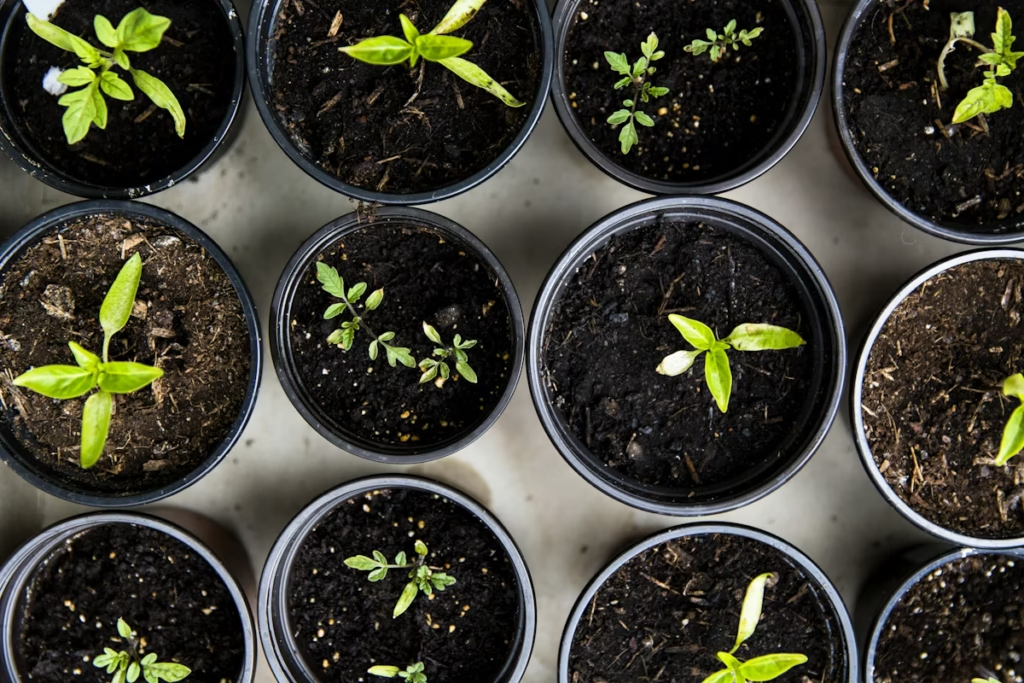
As plants grow, their roots need more space. A plant that has outgrown its container becomes “root-bound,” which stunts growth and stresses the plant.
Signs your plant needs repotting:
- Roots growing out of the drainage holes
- Plant wilting quickly after watering
- Soil drying out unusually fast
- Slow or stunted growth despite good care
How to repot:
- Choose a new pot 2–3 inches larger in diameter
- Water the plant thoroughly the day before
- Gently remove the plant from its current pot
- Loosen the root ball with your fingers
- Add fresh potting mix to the new container
- Set the plant in the center and fill around it
- Water thoroughly and keep in shade for a few days to recover
Spring is the best time to repot most plants, just before the growing season begins.
Final Thoughts
Container gardening is one of the most rewarding hobbies you can pick up, regardless of how much space you have. A single pot of fresh herbs on a kitchen windowsill, a cherry tomato plant on a balcony, a row of colorful flowers on a front step — these small gardens bring genuine joy.
Choose the right container, use proper potting mix, ensure good drainage, water and fertilize consistently, and start with easy plants. Follow these basics, and you will grow something wonderful.
Don’t worry about getting everything perfect from day one. Every plant you lose teaches you something. Every plant you successfully grow builds your confidence. That’s how every experienced container gardener started — exactly where you are right now.
Now grab a pot and some soil, and let’s get growing. 🌱
Have questions about container gardening? Visit the Contact page — I’d love to hear from you!
— mumu, Green Garden Tips