By mumu
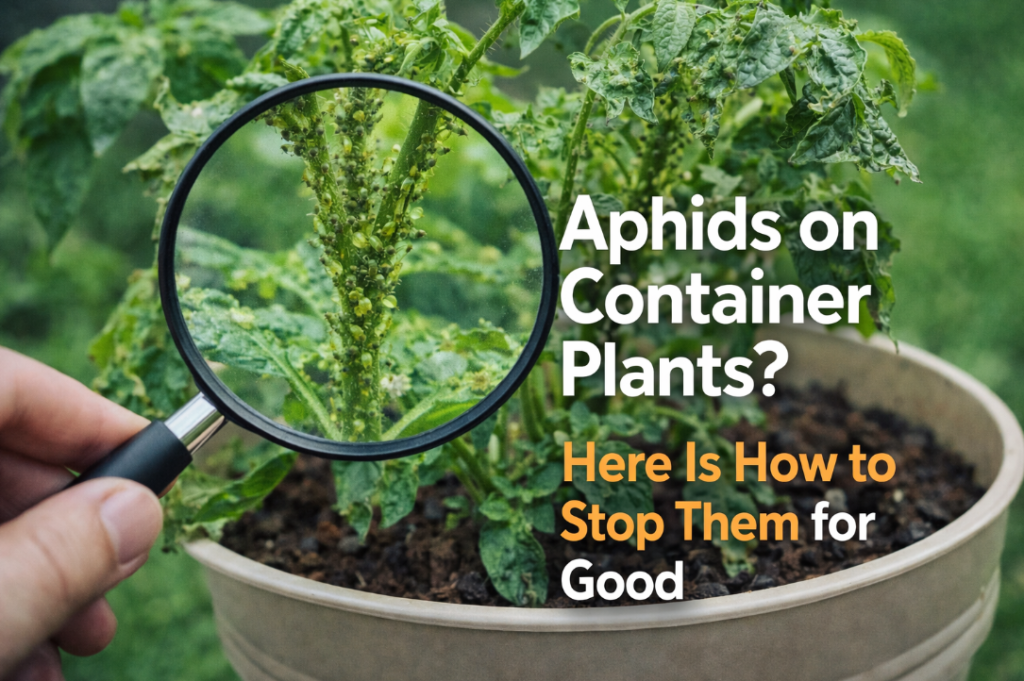
Aphids are one of the most common pests in any container garden. These tiny, soft-bodied insects cluster on new growth, flower buds, and the undersides of leaves — sucking sap from plants and causing stunted growth, distorted leaves, and reduced harvests.
The good news is that aphids are one of the easiest garden pests to deal with once you know what to look for and how to respond. With early detection and the right approach, you can eliminate aphids from your container plants quickly and prevent them from coming back.
Here is everything you need to know about how to deal with aphids on container plants.
Table of Contents
- How to Identify Aphids
- Signs of Aphid Damage
- What Attracts Aphids to Container Plants
- Natural Ways to Get Rid of Aphids
- Best Sprays for Aphids on Container Plants
- Chemical Controls for Severe Infestations
- How to Prevent Aphids in Your Container Garden
- Plants Most Vulnerable to Aphids
- Beneficial Insects That Eat Aphids
- Top Tips for Dealing with Aphids
1. How to Identify Aphids
Aphids are tiny insects — usually 1–3mm long — that cluster in large groups on plants. They come in many colors depending on the species, but the most common ones you’ll encounter in a container garden are green, black, yellow, or white.
| Aphid Type | Color | Common Host Plants |
|---|---|---|
| Green peach aphid | Pale green to yellow | Vegetables, herbs, flowers |
| Black bean aphid | Black | Beans, nasturtiums, dahlias |
| Rose aphid | Pink to green | Roses, flowers |
| Woolly aphid | White, fluffy | Apple trees, ornamental trees |
| Cabbage aphid | Gray-green | Brassicas, kale, broccoli |
Where to look: Check the undersides of leaves first — aphids prefer to hide there. Also check new growth, flower buds, and the tips of stems where growth is soft and tender.
2. Signs of Aphid Damage
| Sign | What It Means |
|---|---|
| Curled or distorted leaves | Aphids feeding on new growth causes leaves to curl and distort |
| Sticky residue on leaves | Honeydew — a sugary waste product secreted by aphids |
| Black sooty mold | Fungus that grows on honeydew — indicates aphid infestation |
| Yellowing leaves | Heavy aphid feeding removes sap and nutrients from leaves |
| Stunted or slow growth | Aphids divert plant energy away from growth |
| Ants on your plants | Ants farm aphids for honeydew — ants on plants often mean aphids nearby |
3. What Attracts Aphids to Container Plants
- Soft, lush new growth — Over-fertilizing with nitrogen produces soft, fast-growing tissue that aphids find irresistible
- Stressed plants — Plants weakened by drought, overwatering, or nutrient deficiency are more vulnerable to aphid attack
- Warm weather — Aphid populations explode in warm spring and summer conditions
- Lack of natural predators — Container gardens often have fewer beneficial insects than open gardens
- Ants — Ants actively protect and farm aphids for their honeydew — controlling ants helps control aphids
4. Natural Ways to Get Rid of Aphids
For most aphid infestations, natural methods are all you need. Start with the gentlest approach and escalate only if necessary.
| Method | How to Do It | Effectiveness |
|---|---|---|
| Water spray | Blast aphids off plants with a strong jet of water. Repeat every 2–3 days. | Good for mild infestations ✅ |
| Hand removal | Wear gloves and wipe or squish aphid colonies by hand. Check daily. | Good for small infestations ✅ |
| Insecticidal soap spray | Mix 1 tablespoon liquid dish soap in 1 liter of water. Spray directly on aphids. | Very effective ✅✅ |
| Neem oil spray | Mix neem oil with water and a drop of dish soap. Spray on affected plants. | Very effective ✅✅ |
| Remove heavily infested growth | Cut off and dispose of any stems or leaves with heavy aphid colonies. | Good for severe infestations ✅ |
5. Best Sprays for Aphids on Container Plants
DIY Insecticidal Soap Spray (most effective natural option):
- 1 tablespoon pure liquid soap (not detergent) per 1 liter of water
- Mix well and pour into a spray bottle
- Spray directly on aphids, covering undersides of leaves thoroughly
- Apply in the early morning or evening — never in direct sun
- Repeat every 2–3 days for 2 weeks
DIY Neem Oil Spray:
- 2 teaspoons neem oil + 1 teaspoon liquid soap + 1 liter of water
- Mix well and spray on affected plants
- Neem oil also prevents future infestations — use as a preventive spray every 2 weeks
Garlic spray:
- Blend 4–5 garlic cloves with 500ml water, strain, and dilute with 1 liter more water
- Spray on plants — aphids dislike the strong smell
6. Chemical Controls for Severe Infestations
If natural methods aren’t working after 2 weeks of consistent treatment, commercial insecticides may be necessary for severe infestations.
- Pyrethrin-based sprays — Made from chrysanthemum flowers, these are the most natural commercial option
- Spinosad — An organic insecticide effective against many soft-bodied insects including aphids
- Systemic insecticides — Absorbed by the plant and kills insects that feed on it — use only as a last resort and never on edible plants close to harvest
Important: Always read and follow label directions. Never use chemical insecticides on edible plants shortly before harvest.
7. How to Prevent Aphids in Your Container Garden
| Prevention Strategy | How It Helps |
|---|---|
| Inspect plants weekly | Catch infestations early before they become severe |
| Avoid over-fertilizing with nitrogen | Reduces soft, lush growth that attracts aphids |
| Keep plants healthy | Healthy, well-watered plants resist aphid attack better than stressed ones |
| Use reflective mulch | Silver or reflective mulch on soil surface confuses and deters aphids |
| Plant companion plants | Marigolds, catnip, and garlic repel aphids naturally |
| Spray with neem oil preventively | Regular neem oil sprays deter aphids before they establish |
8. Plants Most Vulnerable to Aphids
- Roses
- Tomatoes and peppers
- Beans and peas
- Lettuce and leafy greens
- Nasturtiums (though these also work as aphid trap crops)
- Dahlias and other flowering plants
- Citrus trees
- Basil and other herbs
Tip: Plant nasturtiums near vulnerable plants as a trap crop — aphids prefer nasturtiums and will cluster there instead of on your vegetables and flowers. Then simply remove and dispose of the aphid-covered nasturtium stems.
9. Beneficial Insects That Eat Aphids
| Beneficial Insect | How It Helps | How to Attract It |
|---|---|---|
| Ladybugs | One ladybug eats up to 50 aphids per day | Plant dill, fennel, and marigolds nearby |
| Lacewings | Lacewing larvae are voracious aphid predators | Plant nectar-rich flowers nearby |
| Parasitic wasps | Lay eggs inside aphids, killing them | Plant dill, fennel, and yarrow nearby |
| Hoverflies | Larvae eat aphids in large quantities | Plant flowers with open centers like marigolds |
10. Top Tips for Dealing with Aphids
- Act immediately — Aphid populations double every few days in warm weather. Don’t wait to treat.
- Check the undersides of leaves — That’s where aphids hide and where most eggs are laid
- Be consistent — Apply treatments every 2–3 days for 2 weeks to break the life cycle
- Start with the gentlest method — Water spray and soap spray handle most infestations without chemicals
- Isolate affected plants — Move infested containers away from healthy ones to prevent spreading
- Control ants — Ants protect aphids from predators. Use sticky barriers on pot legs to stop ants climbing up.
Final Thoughts
Aphids are frustrating but manageable. With regular inspection, prompt action, and a consistent treatment routine, you can eliminate aphids from your container garden and keep them from coming back.
The key is catching them early — check your plants every week, especially in warm weather, and treat the moment you spot the first aphids. A small infestation dealt with quickly is far easier to manage than a severe one left too long. 🌿
Have questions about dealing with aphids in your container garden? Visit the Contact page — I’d love to hear from you!
— mumu, Green Garden Tips