By mumu
One of the underappreciated advantages of container gardening is how much control you have over the growing environment. Unlike in-ground plants that are completely at the mercy of the seasons, container plants can be moved, covered, insulated, and protected in ways that add weeks — sometimes months — to your productive growing season.
Here are the most effective ways to extend the growing season in containers, from simple tricks that cost almost nothing to slightly more involved setups that make a dramatic difference.
Start Earlier in Spring
The easiest way to extend your season is to start it earlier. Container soil warms up faster than garden soil in spring — you can often start planting containers 2–3 weeks before you’d be able to plant in the ground.
For cool-season crops like lettuce, spinach, kale, and pansies, this means getting started in late winter in many climates. These plants tolerate frost — a light covering of horticultural fleece on cold nights is all the protection they need to get going weeks ahead of schedule.
Move containers to a south-facing wall in early spring — the reflected heat from the wall creates a noticeably warmer microclimate that can be the difference between a plant surviving a cold night and not.
Use Frost Cloth and Row Cover
Horticultural fleece (also called row cover or frost cloth) is one of the cheapest and most effective season-extension tools available. A single layer draped over containers on frosty nights can protect plants to temperatures several degrees below freezing.
- Keep frost cloth handy from early spring through late fall — late frosts and early autumn cold snaps are when it earns its keep
- Drape it loosely over containers in the evening when frost is forecast and remove it the next morning
- For larger container setups, a simple frame of bamboo canes over which you drape the fleece creates a mini-greenhouse effect that’s even more effective
- Multiple layers of fleece provide significantly more protection than a single layer — each additional layer adds a few more degrees of frost protection
Build a Cold Frame Around Containers
A cold frame is essentially a bottomless box with a transparent lid — traditionally glass but now often clear polycarbonate — that creates a protected growing environment. They’re most commonly built for in-ground growing, but they work just as well around container plants.
A simple cold frame can be made from four pieces of old timber and a salvaged window frame. Position containers inside the cold frame in fall and you extend the growing season by 4–6 weeks on both ends of the year. On mild days, prop the lid open to ventilate — overheating is as damaging as frost.
Bring Containers Indoors (Or Into a Greenhouse)
This is the biggest advantage containers have over in-ground planting: you can simply pick them up and move them somewhere warmer when the weather turns.
A few strategies:
- An unheated garage or shed is often just warm enough to protect frost-sensitive container plants through winter — the thermal mass of the building keeps temperatures above freezing even when it’s cold outside
- A cool room indoors (50–60°F / 10–15°C) is ideal for overwintering dormant plants like dahlias, fuchsias, and tender perennials
- A heated greenhouse or conservatory allows year-round growing for many plants that would otherwise stop completely in winter
- Even moving containers from an exposed position to a sheltered one — under an overhang, against a wall, onto a covered porch — can add several weeks to the season
Choose the Right Containers for Season Extension
Some containers hold heat better than others, which directly affects how early you can plant and how long you can keep growing:
| Container Type | Heat Retention | Season Extension Benefit |
|---|---|---|
| Dark plastic or resin | Good — absorbs heat from sun | Warms soil faster in spring |
| Large containers (15+ gallons) | Excellent — thermal mass | Slower to cool down on cold nights |
| Terracotta | Moderate | Insulates somewhat — wrap in winter |
| Insulated/double-walled | Excellent | Best protection from temperature extremes |
Succession Plant for Continuous Harvests
Extending your season isn’t just about starting earlier and finishing later — it’s also about maintaining continuous production through the middle of the season.
Succession planting means sowing small amounts of fast-growing crops every 2–3 weeks rather than one large batch. For lettuce, radishes, spinach, and herbs like cilantro and dill, this keeps fresh growth coming continuously rather than having everything ready at once and then a gap.
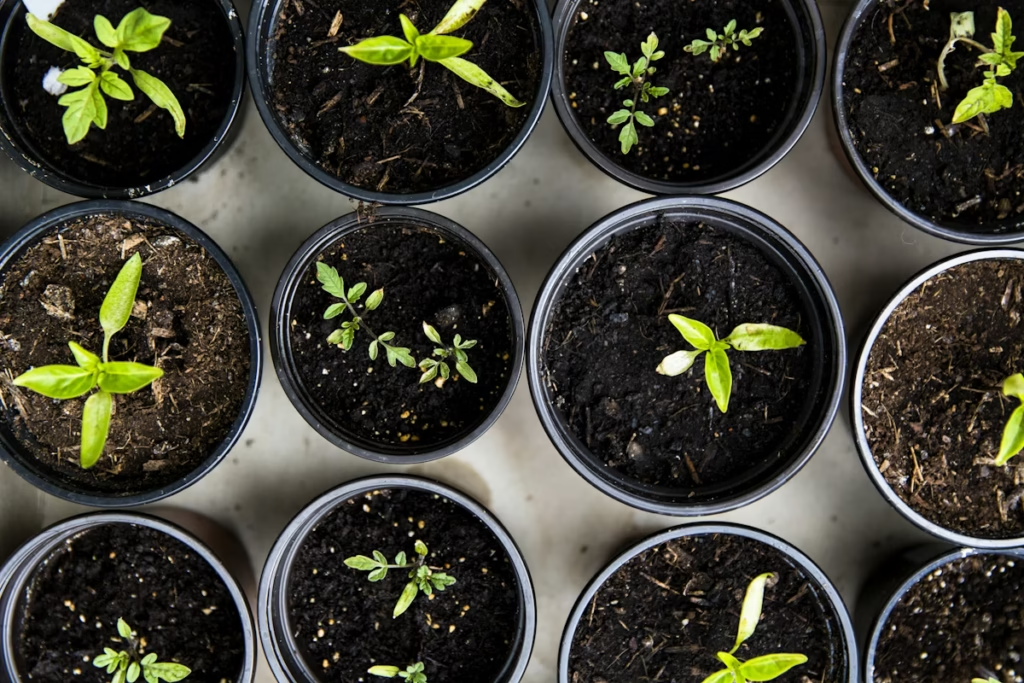
In container gardening, this is particularly effective because you can use small individual containers for each succession sowing — a windowsill of small pots with lettuce sown at different dates provides fresh greens far longer than one large container planted all at once.
Final Thoughts
Extending the growing season in containers doesn’t require expensive equipment or elaborate setups. A bag of frost cloth, a south-facing wall, and the habit of moving containers inside before a cold snap can add months of productive growing to your year.
Start earlier, protect more actively, and keep succession planting — and your container garden will be producing long after your neighbors have given up for the season. 🌿
Questions about extending your container garden season? Visit the Contact page!
— mumu, Green Garden Tips