By mumu
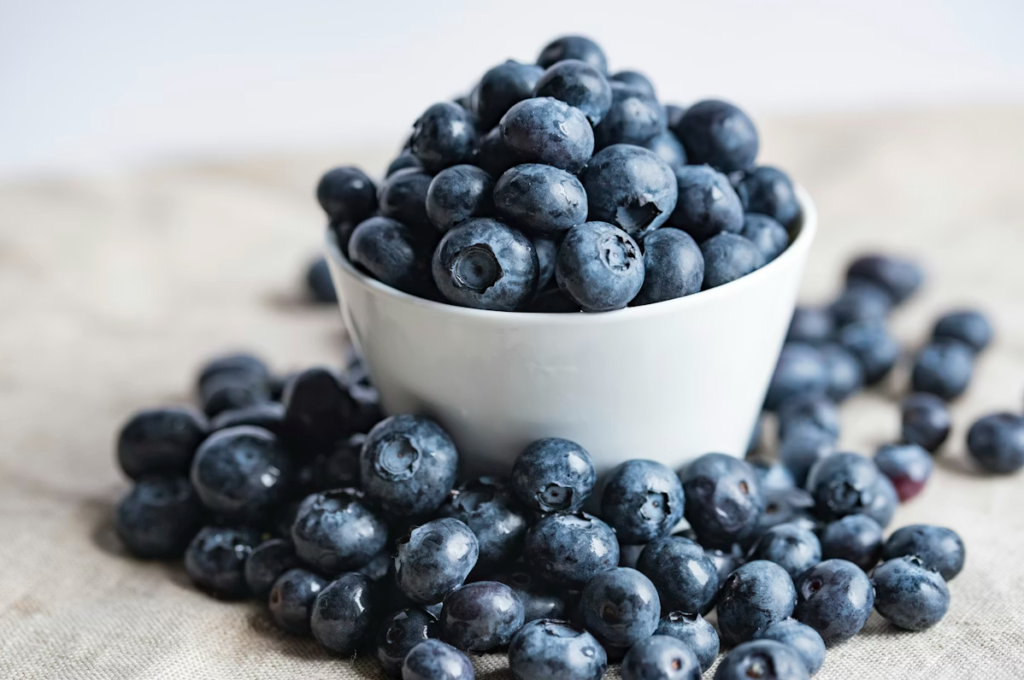
Fresh blueberries picked straight from your own container garden are one of summer’s greatest pleasures. Sweet, juicy, and packed with nutrition, homegrown blueberries taste completely different from anything you’ll find in a store — and the good news is, you don’t need a large garden or acidic garden soil to grow them.
Blueberries are actually one of the best fruits for container growing. They thrive in the controlled environment that pots provide, they’re beautiful ornamental plants with gorgeous fall color, and with the right variety and care, a single container blueberry plant can produce pounds of fresh berries every year.
Here is everything you need to know about how to grow blueberries in containers successfully.
Table of Contents
- Best Blueberry Varieties for Containers
- Choosing the Right Container for Blueberries
- Best Soil for Container Blueberries
- How to Plant Blueberries in Containers
- Sunlight Requirements
- How to Water Container Blueberries
- How to Fertilize Blueberries in Containers
- Pollination Tips for Container Blueberries
- Common Problems and Solutions
- When and How to Harvest Container Blueberries
1. Best Blueberry Varieties for Containers
Choosing the right variety is the most important decision when growing blueberries in containers. Compact or dwarf varieties are specifically suited to pot growing and will produce well without taking up too much space.
| Variety | Size | Container Size | Notes |
|---|---|---|---|
| Top Hat | Dwarf (18–24 inches) | 5–7 gallons | Perfect for containers — compact, very productive |
| Sunshine Blue | Semi-dwarf (3–4 feet) | 7–10 gallons | Self-fertile, evergreen in mild climates, beautiful pink flowers |
| Peach Sorbet | Dwarf (12–18 inches) | 5 gallons | Stunning multicolored foliage, excellent ornamental value |
| Jelly Bean | Dwarf (12–24 inches) | 5 gallons | Very compact, sweet berries, beautiful fall color |
| Bluecrop | Standard (4–5 feet) | 15–20 gallons | Classic variety — needs larger container but very productive |
Best choice for beginners: Top Hat or Sunshine Blue — both are compact, reliable, and well-suited to container growing for first-time blueberry growers.
2. Choosing the Right Container for Blueberries
Blueberries need more root space than most people expect. A container that’s too small will restrict growth and produce very few berries.
| Plant Size | Minimum Container | Recommended Container |
|---|---|---|
| Dwarf varieties (Top Hat, Jelly Bean) | 5 gallons | 7 gallons |
| Semi-dwarf varieties (Sunshine Blue) | 7 gallons | 10–15 gallons |
| Standard varieties (Bluecrop) | 15 gallons | 20+ gallons |
Best container materials: Plastic and fabric grow bags work best for blueberries. Avoid terracotta — it raises the soil pH over time as minerals leach from the clay, which is the opposite of what acid-loving blueberries need.
Most important rule: Always use containers with drainage holes. Blueberries are very sensitive to waterlogged soil.
3. Best Soil for Container Blueberries
Soil pH is the single most critical factor in growing blueberries successfully. Blueberries are acid-loving plants that need a soil pH of 4.5–5.5 — much more acidic than the pH range most other container plants prefer.
At the wrong pH, blueberries cannot absorb iron and other nutrients even when they’re present in the soil — leading to yellowing leaves, poor growth, and little or no fruit.
Best soil mix for container blueberries:
- 50% ericaceous (acid) potting mix
- 30% peat moss (lowers pH and improves moisture retention)
- 20% perlite (for drainage)
Never use: Regular potting mix, garden soil, or any mix containing lime — these are all too alkaline for blueberries.
4. How to Plant Blueberries in Containers
- Fill the container with your prepared acidic soil mix, leaving 2–3 inches at the top
- Remove the plant from its nursery pot and gently loosen any tightly coiled roots
- Place the plant in the center of the container at the same depth it was growing in its nursery pot
- Fill in around the roots with soil, pressing gently to eliminate air pockets
- Water thoroughly with rainwater or distilled water — tap water is often too alkaline for blueberries
- Mulch the surface with pine bark or pine needle mulch — this helps maintain the acidic soil pH
Key tip: Use rainwater or distilled water whenever possible for container blueberries. Regular tap water is often alkaline and will gradually raise the soil pH, making it harder for blueberries to thrive.
5. Sunlight Requirements
Blueberries need plenty of direct sunlight to produce well. More sun means more berries and sweeter flavor.
| Sunlight | Result |
|---|---|
| 6–8 hours direct sun | Excellent — maximum berry production and sweetness |
| 4–6 hours direct sun | Good — acceptable production |
| Less than 4 hours | Poor — few berries, poor flavor |
6. How to Water Container Blueberries
Consistent watering is critical for container blueberries — especially during flowering and berry development when moisture stress can cause berries to drop or fail to develop properly.
- Water when the top inch of soil feels dry
- Water deeply until it drains from the bottom
- Use rainwater or distilled water whenever possible
- Never let blueberry containers dry out completely — especially during fruiting
- Reduce watering in winter when the plant is dormant
- Mulch the soil surface to slow moisture evaporation
Key tip: If you must use tap water, let it sit in an open container overnight before using it — this allows some of the chlorine and other chemicals to dissipate.
7. How to Fertilize Blueberries in Containers
Blueberries need an acidic fertilizer specifically formulated for acid-loving plants. Regular balanced fertilizers are often too alkaline and can raise the soil pH over time.
| Timing | Fertilizer Type | Notes |
|---|---|---|
| Early spring (before new growth) | Ericaceous (acid) fertilizer | First feed of the season — supports new growth |
| Late spring | Ericaceous fertilizer | Supports flowering and fruit set |
| Early summer | Ericaceous fertilizer | Supports berry development |
| After harvest | Ericaceous fertilizer | Helps plant recover and store energy for next year |
| Fall and winter | None | Plant is dormant — stop fertilizing completely |
8. Pollination Tips for Container Blueberries
Most blueberry varieties produce more fruit when planted near another variety for cross-pollination. While some varieties are self-fertile (they can produce fruit with their own pollen), all blueberries produce significantly more and larger berries when cross-pollinated.
Best approach: Grow two different blueberry varieties in separate containers side by side. Choose varieties that bloom at the same time for the best cross-pollination results.
Good companion pairs:
- Top Hat + Sunshine Blue
- Peach Sorbet + Jelly Bean
- Any two varieties from the same type (northern highbush, southern highbush, or rabbiteye)
9. Common Problems and Solutions
| Problem | Cause | Solution |
|---|---|---|
| Yellow leaves with green veins | Iron deficiency from pH too high | Test soil pH, lower with sulfur or acidic fertilizer |
| No berries | Poor pollination or pH problems | Add a second variety, check and correct soil pH |
| Birds eating berries | Birds attracted to ripe fruit | Cover with bird netting when berries begin to ripen |
| Poor growth despite good care | Soil pH too high for nutrient absorption | Test soil pH and amend with sulfur if above 5.5 |
| Mummy berry disease | Fungal disease | Remove affected berries, improve air circulation |
10. When and How to Harvest Container Blueberries
Blueberries don’t ripen all at once — they ripen gradually over several weeks. Check your containers every few days during harvest season and pick only fully ripe berries.
Signs blueberries are ready to harvest:
- Berries are fully blue all the way around — no red or pink remaining
- Berries come off the cluster easily with a gentle tug
- Berries taste sweet — not tart or sour
- Berries have a slight white bloom (powdery coating) — a sign of perfect ripeness
How to harvest: Gently roll each berry between your fingers — ripe berries will come away easily. Unripe berries will resist. Never force berries off the cluster. Harvest into a shallow container to avoid crushing berries at the bottom.
Key tip: Leave harvested blueberries at room temperature for a day before refrigerating — they continue to develop flavor after picking. Once refrigerated, they’ll keep for 1–2 weeks.
Final Thoughts
Growing blueberries in containers is one of the most rewarding container gardening projects you can take on. With the right variety, the right acidic soil, consistent care, and a little patience, you can enjoy handfuls of fresh, sweet blueberries from your own containers every summer.
The key to success is getting the soil pH right from the start. Once your blueberries are growing in the right conditions, they’re surprisingly easy to care for — and they’ll reward you with beautiful flowers, stunning fall color, and delicious fruit for many years to come. 🫐
Have questions about growing blueberries in containers? Visit the Contact page — I’d love to hear from you!
— mumu, Green Garden Tips