By mumu
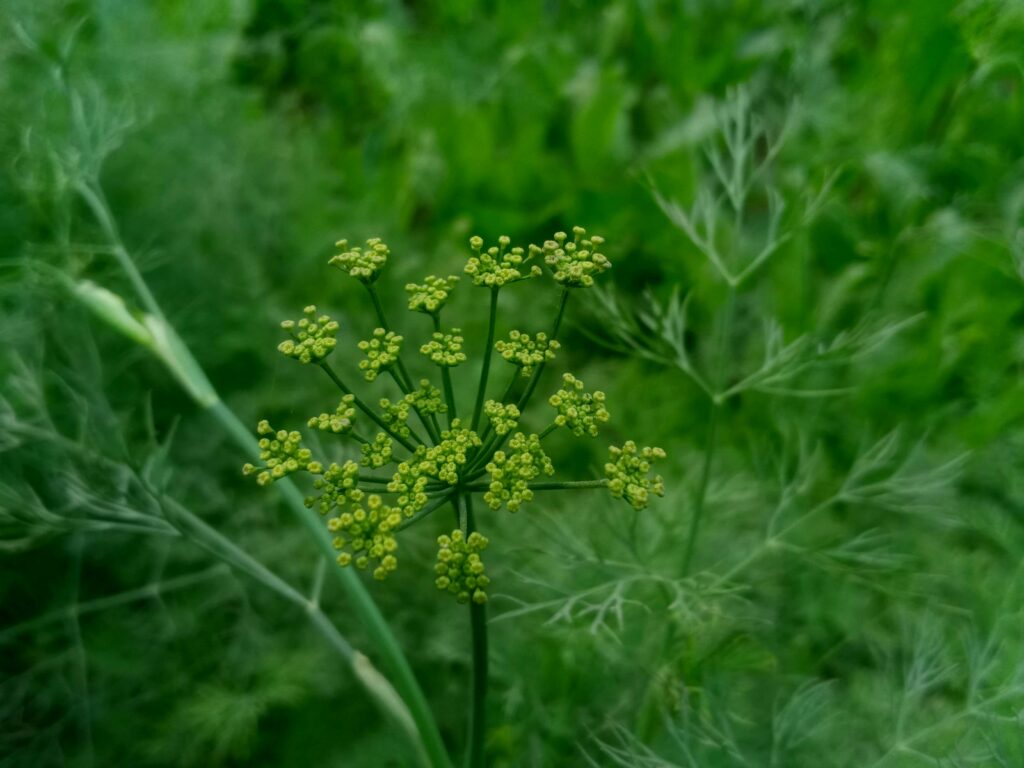
Fennel is one of the most beautiful and useful herbs you can grow in a container. Its feathery, bright green fronds add a graceful, architectural quality to any container garden, and every part of the plant is edible — the fronds, the seeds, and in bulbing varieties, the swollen base.
Fresh fennel has a distinctive anise-like flavor that transforms fish dishes, salads, and roasted vegetables — and growing your own ensures you always have it fresh when you need it. Here is everything you need to know about growing fennel in containers.
Table of Contents
- Types of Fennel
- Best Fennel Varieties for Containers
- Choosing the Right Container
- Best Soil for Container Fennel
- How to Plant Fennel in Containers
- Sunlight Requirements
- How to Water Container Fennel
- How to Fertilize Fennel in Pots
- How to Harvest Fennel from Containers
- Common Problems and Solutions
1. Types of Fennel
There are two main types of fennel, and understanding the difference is important before choosing what to grow in your container:
| Type | Edible Parts | Best For | Container Suitability |
|---|---|---|---|
| Herb Fennel (Common Fennel) | Fronds and seeds | Cooking, garnish, herbal teas | Excellent — grows tall and feathery in containers |
| Florence Fennel (Finocchio) | Bulb, fronds, and seeds | Cooking — the bulb is eaten as a vegetable | Good — needs deep container for bulb development |
For beginners: Herb fennel is easier and more forgiving in containers. Florence fennel requires more precise conditions to develop its bulb properly.
2. Best Fennel Varieties for Containers
| Variety | Type | Height | Notes |
|---|---|---|---|
| Bronze Fennel | Herb fennel | 4–6 feet | Stunning bronze-purple foliage — beautiful ornamental and culinary plant |
| Florence Fennel (Fino) | Bulbing fennel | 2–3 feet | Best bulbing variety for containers — compact, reliable bulb formation |
| Orion | Florence fennel | 2–3 feet | Bolt-resistant Florence variety — excellent for containers |
| Zefa Fino | Florence fennel | 2–3 feet | Classic Florence variety — uniform bulbs, good flavor |
Best choice for beginners: Bronze Fennel for herb use, or Orion for bulbing fennel — both are reliable and productive in containers.
3. Choosing the Right Container
Fennel has a long taproot that needs depth. A shallow container causes the plant to bolt quickly and produces poor results.
| Fennel Type | Minimum Depth | Minimum Width | Notes |
|---|---|---|---|
| Herb fennel | 12 inches | 10 inches | Grows tall — needs a stable, heavy base to prevent tipping |
| Florence fennel (bulbing) | 14–16 inches | 12 inches | Needs extra depth for bulb development |
Key tip: Herb fennel can grow 4–6 feet tall — choose a heavy, stable container or place in a sheltered spot to prevent tipping in wind. Alternatively, grow bronze fennel, which is slightly more compact and very ornamental.
Important: Grow fennel in its own container — it releases chemicals that inhibit the growth of many other plants, especially tomatoes, peppers, and basil. Never grow fennel alongside these plants.
4. Best Soil for Container Fennel
Fennel needs well-draining, moderately fertile soil. Heavy soil causes poor root development and increases bolting.
Best soil mix for container fennel:
- 60% high-quality potting mix
- 20% compost (for nutrients)
- 20% perlite or coarse sand (for drainage)
Fennel prefers a neutral to slightly alkaline soil pH of 6.5–7.5. If your potting mix is very acidic, add a small amount of garden lime to raise the pH slightly.
5. How to Plant Fennel in Containers
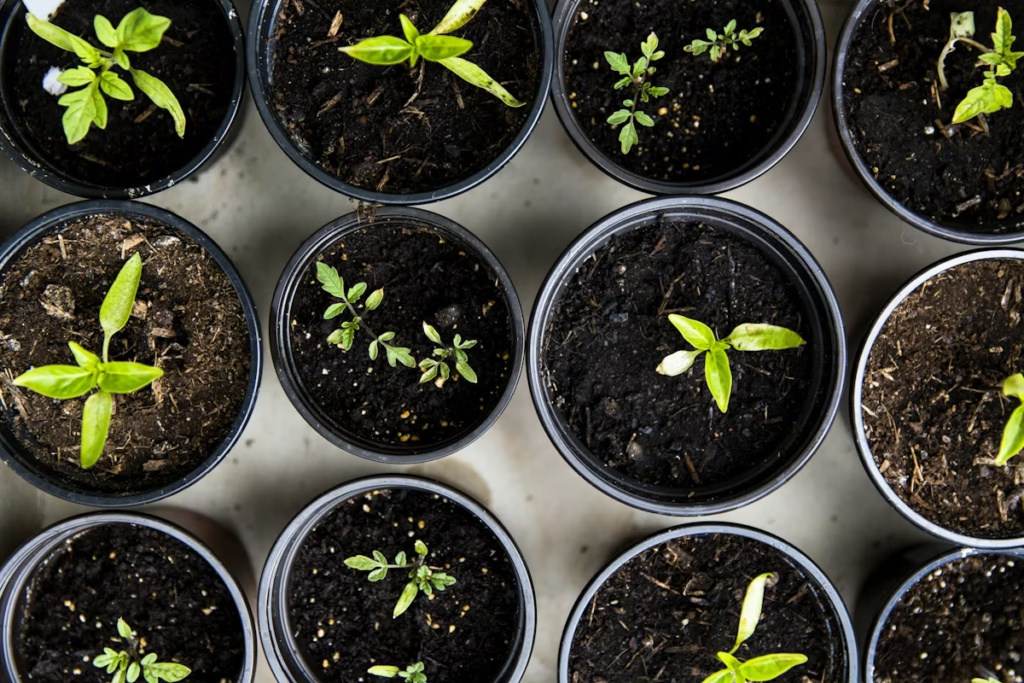
Important: Always sow fennel seeds directly in the final container — never start in seed trays and transplant. Fennel has a long taproot that is easily damaged by transplanting, causing the plant to bolt immediately.
- Fill the container with prepared soil mix to within 1 inch of the rim
- Sow seeds ¼ inch deep, 2–3 inches apart
- Water gently after sowing
- Keep soil consistently moist until germination — usually 7–14 days
- Thin seedlings to 6–8 inches apart once they reach 2–3 inches tall
Best sowing times:
- Herb fennel: Sow in spring after last frost, or in fall for a second crop
- Florence fennel: Sow in early summer (June–July) for a fall harvest — avoid sowing in spring as it bolts quickly in heat
6. Sunlight Requirements
| Sunlight | Result |
|---|---|
| Full sun (6+ hours) | Best growth — compact, flavorful fronds |
| Partial sun (4–6 hours) | Good — slightly slower growth |
| Less than 4 hours | Poor — leggy, weak growth, poor flavor |
Key tip: In hot summer weather, move Florence fennel to afternoon shade. Heat triggers bolting in Florence fennel — afternoon shade significantly extends the harvest window.
7. How to Water Container Fennel
- Keep soil consistently moist but never waterlogged
- Water when the top inch of soil feels dry
- Water deeply until it drains from the bottom
- Drought stress is a major trigger for bolting — consistent moisture is key
- In hot weather, check every 1–2 days
- Reduce watering in cooler fall and winter weather
8. How to Fertilize Fennel in Pots
Fennel is a light to moderate feeder. Over-fertilizing with nitrogen produces lush growth that bolts quickly and has reduced flavor.
| Detail | Recommendation |
|---|---|
| Best fertilizer | Balanced liquid fertilizer at half strength |
| Frequency | Every 3–4 weeks during the growing season |
| For Florence fennel bulbs | Apply a potassium-rich fertilizer once bulbs begin to swell |
9. How to Harvest Fennel from Containers
Harvesting herb fennel fronds:
- Begin harvesting outer fronds once the plant is well established — 8–10 inches tall
- Cut fronds close to the stem with scissors
- Never remove more than one-third of the fronds at once
- Harvest in the morning for the best flavor
- Use fresh immediately — fennel fronds lose their flavor quickly after cutting
Harvesting Florence fennel bulbs:
- Bulbs are ready when they reach the size of a tennis ball — usually 75–90 days after sowing
- Don’t wait too long — over-mature bulbs become tough and stringy
- Cut the whole plant at soil level with a sharp knife
- Leave the roots in the container — small secondary bulblets will sometimes regrow from the base
Harvesting fennel seeds:
- Allow some plants to flower and set seed
- Once seed heads turn brown, cut them off and place in a paper bag
- Shake to release seeds, then dry completely before storing
- Fennel seeds are a delicious spice — use in cooking, baking, or herbal teas
10. Common Problems and Solutions
| Problem | Cause | Solution |
|---|---|---|
| Bolting quickly | Heat, drought, or transplant shock | Sow directly, water consistently, provide afternoon shade in heat |
| Florence fennel not forming bulbs | Sown too early in spring, heat stress, or insufficient water | Sow in early summer for fall harvest, water consistently |
| Aphids on new growth | Common on fennel — also attracted by fennel’s flowers | Spray with water or insecticidal soap |
| Swallowtail caterpillars | Beautiful striped caterpillars that love fennel | Hand pick or relocate — they become beautiful swallowtail butterflies |
| Poor growth next to other plants | Fennel releases allelopathic chemicals that inhibit neighbors | Always grow fennel in its own separate container |
Final Thoughts
Fennel is one of the most beautiful and versatile plants you can grow in a container — whether you’re growing herb fennel for its feathery fronds and seeds, or Florence fennel for its crisp, anise-flavored bulbs. It adds dramatic architectural beauty to any container garden while providing an endlessly useful ingredient for the kitchen.
Sow directly in a deep container, water consistently, give it full sun, and grow it in its own pot away from other plants. Do those things well, and you’ll have a stunning, productive container fennel plant that delights both the eye and the palate. 🌿
Have questions about growing fennel in containers? Visit the Contact page — I’d love to hear from you!
— mumu, Green Garden Tips