By mumu
Oregano is one of the most rewarding herbs you can grow in a container. Intensely aromatic, incredibly versatile in the kitchen, and remarkably easy to care for, oregano is a Mediterranean herb that actually thrives in the hot, dry conditions that containers naturally provide.
If you’ve ever used dried oregano from a jar, you’re in for a revelation when you taste it fresh from your own pot. The flavor is incomparably stronger, more complex, and more vibrant than anything from a store. Here is everything you need to know about growing oregano in containers successfully.
Table of Contents
- Best Oregano Varieties for Containers
- Choosing the Right Container
- Best Soil for Container Oregano
- How to Plant Oregano in Containers
- Sunlight Requirements
- How to Water Oregano in Containers
- How to Fertilize Container Oregano
- How to Prune Oregano for Best Flavor
- How to Harvest Oregano from Containers
- Common Problems and Solutions
1. Best Oregano Varieties for Containers
| Variety | Flavor | Best For | Notes |
|---|---|---|---|
| Greek Oregano | Strong, peppery, pungent | Cooking, pizza, pasta | Most flavorful variety — the classic culinary oregano |
| Italian Oregano | Mild, sweet | Italian cooking | Milder than Greek — good for beginners |
| Hot and Spicy Oregano | Spicy, intense | Mexican and Latin cooking | Very aromatic, compact growth habit |
| Golden Oregano | Mild | Ornamental and culinary | Beautiful golden leaves — great for decorative containers |
| Compact Oregano | Classic oregano flavor | Small containers, windowsills | Stays small — ideal for limited space |
Best choice for beginners: Greek Oregano — the most flavorful and widely used culinary variety, and very easy to grow in containers.
2. Choosing the Right Container
Oregano is a Mediterranean herb that prefers to dry out slightly between waterings. The right container helps prevent the overwatering that is oregano’s biggest enemy.
| Detail | Recommendation | Why |
|---|---|---|
| Best size | 8–12 inches diameter | Gives roots room to spread without holding excess moisture |
| Best material | Terracotta | Porous walls allow moisture to evaporate — prevents overwatering |
| Drainage holes | Always required | Oregano roots rot quickly in waterlogged soil |
| Depth | At least 8 inches deep | Accommodates oregano’s spreading root system |
Key tip: Terracotta pots are the best choice for oregano. Their porous walls allow excess moisture to evaporate naturally — creating the slightly dry conditions that Mediterranean herbs love.
3. Best Soil for Container Oregano
Oregano needs light, well-draining soil that dries out relatively quickly after watering. Heavy or moisture-retentive soil leads to root rot.
Best soil mix for container oregano:
- 50% high-quality potting mix
- 30% perlite or coarse sand (for fast drainage)
- 20% compost (for gentle nutrients)
Oregano prefers a slightly alkaline to neutral soil pH of 6.5–7.5 — slightly different from most other herbs. If your potting mix is very acidic, add a small amount of garden lime to raise the pH.
4. How to Plant Oregano in Containers
From transplants (recommended for beginners):
- Fill the container with prepared soil mix, leaving 2 inches at the top
- Remove the oregano transplant from its nursery pot
- Plant at the same depth it was growing in its nursery pot
- Fill in around the roots and firm gently
- Water thoroughly after planting
- Place in the sunniest spot available
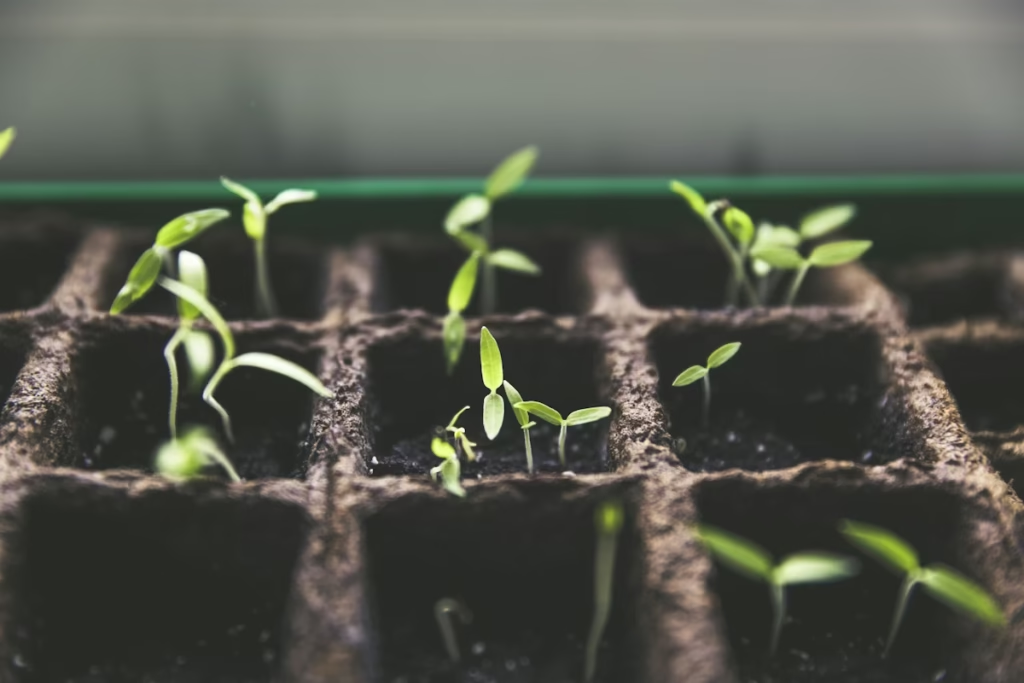
From seed: Oregano can be grown from seed but is very slow — seedlings take 6–8 weeks to reach a harvestable size. Starting from a nursery transplant is much faster and more reliable for beginners.
5. Sunlight Requirements
Oregano is a sun-loving Mediterranean herb that needs plenty of direct sunlight to produce its characteristic strong flavor. The more sun it gets, the more concentrated the essential oils — and the more intense the flavor.
| Sunlight | Result |
|---|---|
| 6–8 hours direct sun | Ideal — compact growth with maximum flavor |
| 4–6 hours direct sun | Acceptable — good growth but slightly milder flavor |
| Less than 4 hours | Poor — leggy, weak growth with little flavor |
6. How to Water Oregano in Containers
Overwatering is the number one mistake with container oregano. As a Mediterranean herb, oregano prefers to dry out slightly between waterings — it is far more tolerant of drought than of excess moisture.
- Water only when the top 1–2 inches of soil feel completely dry
- Water deeply until it drains from the bottom
- In hot summer weather, check every 2–3 days
- In cool weather or indoors, water every 7–10 days or less
- Never let water sit in the saucer beneath the pot
- When in doubt — wait another day before watering
7. How to Fertilize Container Oregano
Oregano is a light feeder that needs very little fertilizer. Over-fertilizing — especially with nitrogen — produces lush, fast-growing leaves but dramatically reduces the essential oils that give oregano its distinctive flavor.
| Detail | Recommendation |
|---|---|
| Best fertilizer | Balanced liquid fertilizer diluted to quarter strength |
| Frequency | Once every 4–6 weeks during the growing season |
| When to stop | Stop completely in fall and winter |
| What to avoid | High-nitrogen fertilizers — reduce flavor significantly |
8. How to Prune Oregano for Best Flavor
Regular pruning keeps oregano compact, bushy, and productive — and actually increases the concentration of essential oils and flavor in the leaves.
- Begin pruning once the plant reaches 4–6 inches tall
- Cut stems back by about one-third, just above a leaf pair
- Never remove more than one-third of the plant at once
- Pinch off flower buds as soon as they appear — flowering reduces leaf quality
- Do a hard cutback in late spring each year — cut all stems back to 2–3 inches above the base to encourage fresh, flavorful new growth
Key tip: The best time to harvest oregano for maximum flavor is just before it flowers — this is when the concentration of essential oils in the leaves is at its highest.
9. How to Harvest Oregano from Containers
- Harvest in the morning when essential oil concentration is highest
- Cut stems just above a leaf pair — the plant will branch from this point
- For fresh use: harvest individual stems as needed
- For drying: harvest larger amounts just before flowering, tie in bundles and hang upside down in a warm, airy spot for 1–2 weeks
- Dried oregano actually has a more intense flavor than fresh — a single plant can provide a year’s supply of dried herbs
10. Common Problems and Solutions
| Problem | Cause | Solution |
|---|---|---|
| Root rot / wilting despite moist soil | Overwatering | Repot in fresh dry soil, improve drainage, water less frequently |
| Leggy, weak growth | Not enough light | Move to sunnier spot — oregano needs 6+ hours of sun |
| Mild, weak flavor | Too much shade, over-fertilizing, or over-watering | More sun, less fertilizer, allow soil to dry between waterings |
| Woody, unproductive stems | Plant not pruned regularly | Cut back hard in spring to encourage fresh new growth |
| Aphids | Common pest on oregano | Spray with water or insecticidal soap |
Final Thoughts
Oregano is one of the most rewarding herbs you can grow in a container. Give it plenty of sun, well-draining soil, and resist the urge to overwater — and it will reward you with an abundant supply of intensely flavorful leaves from spring through fall.
Once you taste fresh homegrown oregano on your homemade pizza or pasta, you’ll never reach for the dried jar version again. 🌿
Have questions about growing oregano in containers? Visit the Contact page — I’d love to hear from you!
— mumu, Green Garden Tips