By mumu
Swiss chard is one of the most beautiful and versatile vegetables you can grow in containers. With its large, glossy leaves and brilliantly colored stems in red, yellow, orange, pink, and white, it’s as ornamental as it is edible — making it the perfect choice for container gardens where looks matter as much as productivity.
Swiss chard is also one of the most productive and forgiving container vegetables available. It tolerates heat, partial shade, and even light frost — producing abundantly for months with minimal care. Here is everything you need to know.
Table of Contents
- Best Swiss Chard Varieties for Pots
- Choosing the Right Container
- Best Soil for Container Swiss Chard
- How to Plant Swiss Chard in Containers
- Sunlight Requirements
- How to Water Container Swiss Chard
- How to Fertilize Swiss Chard in Pots
- How to Harvest Swiss Chard from Containers
- Growing Swiss Chard Year Round
- Common Problems and Solutions
1. Best Swiss Chard Varieties for Pots
| Variety | Stem Color | Notes |
|---|---|---|
| Rainbow Chard (Five Color Silverbeet) | Red, yellow, orange, pink, white mixed | Most beautiful variety — stunning mix of colors in one container |
| Bright Lights | Mixed bright colors | Award-winning mix — extremely ornamental and productive |
| Ruby Red (Rhubarb Chard) | Deep crimson red | Most dramatic color — beautiful in containers and flower beds |
| Fordhook Giant | White | Classic variety — very large leaves, excellent flavor |
| Peppermint | Red and white striped | Unique striped stems — beautiful ornamental container plant |
Best choice for beginners: Rainbow Chard or Bright Lights — both are spectacular in containers, widely available, and very easy to grow.
2. Choosing the Right Container
Swiss chard has a moderately deep root system but is adaptable to a range of container sizes.
| Container Type | Minimum Size | Plants Per Container | Notes |
|---|---|---|---|
| Standard pot | 10 inches deep, 12 inches wide | 2–3 plants | Good for small harvests |
| Large rectangular planter | 10 inches deep, 24 inches long | 4–6 plants | Best for regular harvests |
| Fabric grow bag | 5 gallons | 3–4 plants | Excellent drainage, lightweight |
| Large container | 15+ gallons | 6–8 plants | Most productive option |
3. Best Soil for Container Swiss Chard
Swiss chard needs rich, well-draining soil that retains enough moisture to support its large leaves.
Best soil mix for container Swiss chard:
- 50% high-quality potting mix
- 30% compost (Swiss chard loves fertile soil)
- 20% perlite (for drainage)
Swiss chard prefers a slightly acidic to neutral soil pH of 6.0–7.0. It’s one of the more pH-tolerant vegetables and grows well in a wide range of soil conditions.
4. How to Plant Swiss Chard in Containers
From seed (recommended):
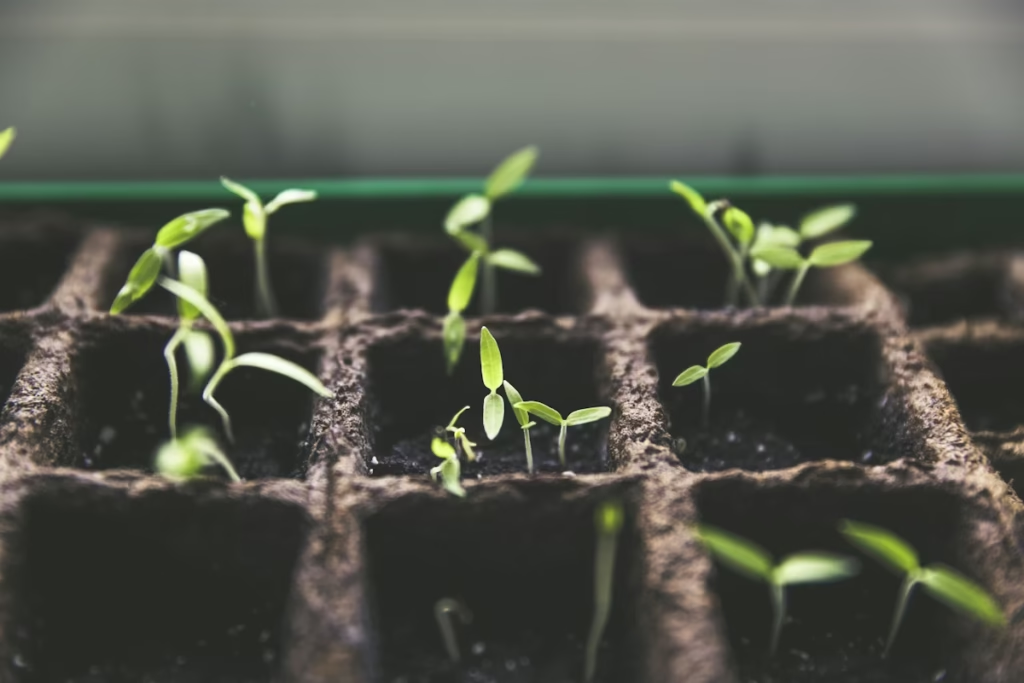
- Fill the container with prepared soil mix to within 1 inch of the rim
- Sow seeds ½ inch deep, spacing 2–3 inches apart
- Water gently after sowing
- Keep soil consistently moist until germination — usually 7–14 days
- Thin to 6–8 inches apart once seedlings reach 2–3 inches tall
Key tip: Swiss chard seeds are actually seed clusters — each one may produce 2–3 seedlings. Thin promptly to prevent overcrowding.
From transplants: Swiss chard transplants easily — plant at the same depth as the seedling was growing and water thoroughly.
Best planting times:
- Spring: 2–4 weeks before last frost — Swiss chard tolerates light frost
- Summer: Sow in midsummer for a fall harvest
- Fall: Sow in early fall for late-season harvest
5. Sunlight Requirements
Swiss chard is one of the most shade-tolerant container vegetables — making it an excellent choice for containers in spots that don’t get full sun.
| Light Condition | Result |
|---|---|
| Full sun (6+ hours) | Fastest growth and largest leaves |
| Partial sun (4–6 hours) | Good — steady growth, slightly smaller leaves |
| Partial shade (2–4 hours) | Acceptable — slower growth but still productive |
Summer tip: Move Swiss chard to afternoon shade during the hottest months. This prevents bolting and keeps leaves tender and sweet longer into summer.
6. How to Water Container Swiss Chard
- Keep soil consistently moist — Swiss chard has large leaves that lose moisture quickly
- Water when the top inch of soil feels dry
- Water deeply until it drains from the bottom
- In hot weather, check daily — large Swiss chard plants may need watering every day
- Mulch the soil surface to retain moisture and keep roots cool
- Drought stress causes bolting — consistent moisture extends the harvest season
7. How to Fertilize Swiss Chard in Pots
Swiss chard is a leafy green that needs nitrogen to produce its large, lush leaves. Regular fertilizing throughout the season keeps it productive for months.
| Detail | Recommendation |
|---|---|
| Best fertilizer | Liquid fertilizer high in nitrogen |
| Frequency | Every 2–3 weeks during the growing season |
| Organic option | Fish emulsion or liquid seaweed — gentle and very effective |
8. How to Harvest Swiss Chard from Containers
Swiss chard is harvested using the cut-and-come-again method — providing multiple harvests from the same plants over many months.
- Begin harvesting outer leaves once plants reach 8–10 inches tall
- Always harvest from the outside in — remove outer leaves first, leaving the central growing point intact
- Cut individual leaves at their base with scissors or snap off by hand
- Never remove more than one-third of the plant at once
- The plant will continue producing new leaves from the center for months
- Harvest in the morning for the crispest, most flavorful leaves
How to use Swiss chard:
- Young, small leaves — use raw in salads
- Medium leaves — sauté with garlic and olive oil
- Large, mature leaves — use in soups, stews, and stir-fries
- Colorful stems — chop and cook separately (they take longer than the leaves)
9. Growing Swiss Chard Year Round
| Season | What to Do |
|---|---|
| Early spring | Sow 2–4 weeks before last frost — Swiss chard handles light frost |
| Spring | Peak growing season — harvest regularly |
| Summer | Move to partial shade — Swiss chard tolerates heat better than most greens |
| Late summer | Sow new crop for fall harvest |
| Fall and winter | Very frost hardy — harvest well into winter in mild climates |
10. Common Problems and Solutions
| Problem | Cause | Solution |
|---|---|---|
| Bolting (flowering) | Heat or long days | Move to shade, harvest frequently, start new crop |
| Leaf miners (tunnels in leaves) | Leaf miner fly larvae — very common on chard | Remove affected leaves, cover with fine mesh netting |
| Aphids | Common pest on Swiss chard | Spray with water or insecticidal soap |
| Yellow leaves | Nitrogen deficiency or overwatering | Apply high-nitrogen fertilizer, check soil moisture |
| Pale, washed-out color | Insufficient light | Move to brighter spot |
Final Thoughts
Swiss chard is one of the most beautiful, productive, and versatile vegetables you can grow in containers. Its stunning colored stems transform any container garden into something genuinely beautiful — and its productivity, tolerance for different conditions, and long harvest season make it one of the best value container vegetables available.
Plant a Rainbow Chard or Bright Lights mix, keep it consistently moist and fertile, harvest regularly from the outside in, and enjoy fresh, colorful Swiss chard from spring right through to winter. 🥬
Have questions about growing Swiss chard in containers? Visit the Contact page — I’d love to hear from you!
— mumu, Green Garden Tips