By mumu
Walk into any garden center in spring and you’ll find dozens of beautiful plants you want to take home. The problem is that many of them won’t actually thrive in your specific conditions — your balcony with afternoon shade, your small containers, your climate. Choosing plants that look appealing but aren’t suited to your situation is the most common reason container gardens disappoint.
Here’s a practical framework for choosing plants that will actually thrive in your container garden.
Start with Your Conditions, Not the Plants
Most people do this backward — they fall in love with a plant and then try to make their conditions work for it. The approach that actually produces better results is the opposite: understand your conditions first, then find plants that suit them.
Before you buy anything, know these three things about your space:
- How many hours of direct sun does your sunniest spot get? Count carefully — most people overestimate this. A spot that gets sun from 9am to 2pm gets 5 hours, not “all day.”
- What’s your climate like? Specifically, what are your last spring frost date and first fall frost date? This determines how long your growing season is and what’s practical to grow.
- What container sizes do you have or plan to buy? A 5-gallon pot rules out tomatoes but is perfect for peppers and herbs.
Match Plant to Purpose
Be clear about what you actually want from your container garden before you start choosing plants. Different goals lead to very different plant selections:
If you want fresh food: Focus on high-yield, compact vegetables. Cherry tomatoes, peppers, lettuce, herbs, and beans give you the most edible return for the space and effort invested in container growing.
If you want color all season: Choose a mix of early-, mid-, and late-season flowering plants. Pansies for spring, petunias or zinnias for summer, chrysanthemums for fall. No single plant blooms from April through October.
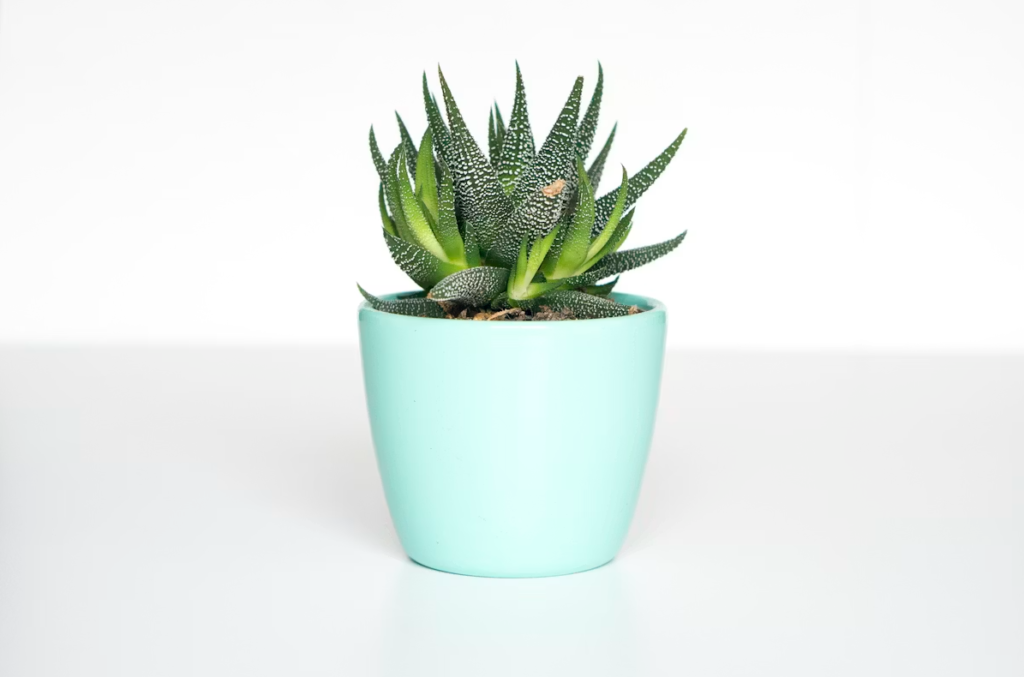
If you want low maintenance: Succulents, lavender, ornamental grasses, and self-cleaning flowers like vinca and calibrachoa require the least ongoing attention. Avoid vegetables, which generally need more care.
If you want fragrance: Lavender, jasmine, scented geraniums, sweet alyssum, and herbs like basil and mint all add fragrance to a container display.
Consider the Container Size
Plant size and container size need to be matched. The most common mistake is putting a plant that needs significant root space into a container that’s too small.
| Container Size | Suitable Plants | Not Suitable |
|---|---|---|
| 6–8 inch pot | Single herb plant, small flowers, succulents | Tomatoes, peppers, cucumbers |
| 5-gallon container | Peppers, compact herbs, dwarf flowers, small vegetables | Large tomatoes, squash, melons |
| 10-gallon container | Tomatoes, cucumbers, eggplant, dahlias | Fruit trees, large shrubs |
| 15–25 gallon container | Dwarf fruit trees, roses, large shrubs | Full-size trees |
Think About the Whole Season
One of the most common container garden mistakes is choosing plants that all peak at the same time — a spectacular display in June followed by nothing interesting for the rest of the year.
Build your container plant list with seasonality in mind:
- What will provide interest in spring, before summer plants are established?
- What will be at its peak in midsummer?
- What will carry the display into fall?
- Is there anything that provides winter interest — evergreen foliage, berries, seed heads?
Even a small balcony container garden can look interesting year-round with thoughtful plant selection. A dwarf conifer provides structure and evergreen color through winter. Spring bulbs emerge early. Summer annuals take over from late spring. Fall vegetables and ornamental kale extend the season.
A Few Plants Worth Avoiding in Containers
Some plants are technically possible in containers but consistently disappointing — either because they need more root space than any practical container provides, or because their growing requirements are just too demanding in a pot.
- Large pumpkins and winter squash — The vines are enormous and the fruit is heavy. Compact varieties are possible; standard varieties are not worth attempting.
- Sweet corn — Needs to be planted in blocks for pollination, and each plant needs significant space. Not practical in containers.
- Most full-size fruit trees — Even “dwarf” labeled trees often get too large for containers within a few years. Stick to varieties specifically bred for containers.
- Wisteria — Becomes extremely large and difficult to manage in containers. Better suited to a permanent garden structure.
Final Thoughts
The best container garden plants aren’t necessarily the most beautiful ones at the garden center — they’re the ones that actually suit your light, your climate, your container sizes, and your goals. Spend a little time thinking through these factors before you buy, and you’ll end up with a container garden that performs well rather than one that disappoints.
The right plant in the right container in the right spot is always more satisfying than a beautiful plant struggling in the wrong conditions. 🌱
Questions about choosing plants for your containers? Visit the Contact page!
— mumu, Green Garden Tips