By mumu
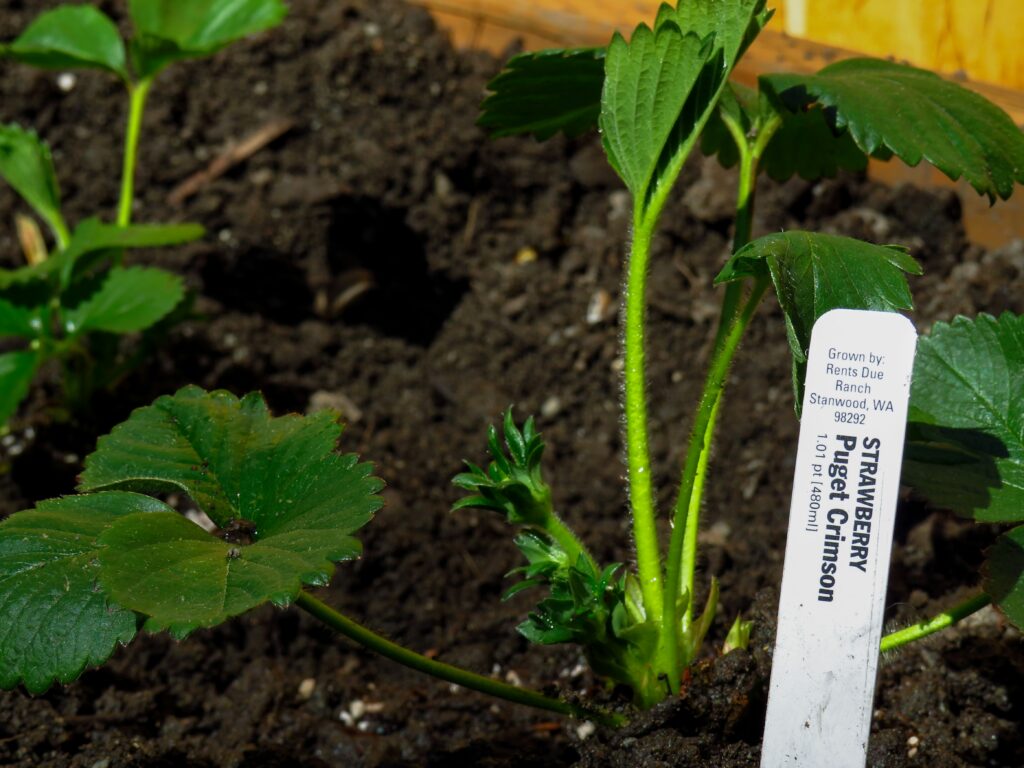
That little plastic label stuck in a nursery pot contains more useful information than most beginning gardeners realize. Light requirements, water needs, mature size, hardiness — it’s all there, compressed into abbreviations and symbols that can be confusing if you don’t know what they mean.
Understanding plant labels properly is one of the most practical skills in container gardening. Here’s how to read them.
Light Requirements
This is the most important information on any plant label — and the most commonly misunderstood.
Full sun means the plant needs at least 6 hours of direct sunlight per day. Most vegetable plants, herbs, and summer flowers fall into this category. If you put a full-sun plant in a spot that only gets 3–4 hours, expect poor performance — leggy growth, few flowers, and minimal harvest from vegetables.
Partial sun / partial shade means 3–6 hours of direct sun. These plants handle some shade but still need meaningful light. Morning sun with afternoon shade is often ideal for these plants — bright enough for good growth, sheltered from the most intense afternoon heat.
Full shade means the plant prefers less than 3 hours of direct sun. Relatively few edible plants do well in full shade, but some ornamental plants thrive there.
One important nuance: “sun” on a label refers to direct sun, not bright indirect light. A spot that’s bright but has no direct sun is not the same as partial shade for most plants.
Watering Information
Labels often use terms like “drought tolerant,” “moist well-drained soil,” or “consistently moist” to describe water needs.
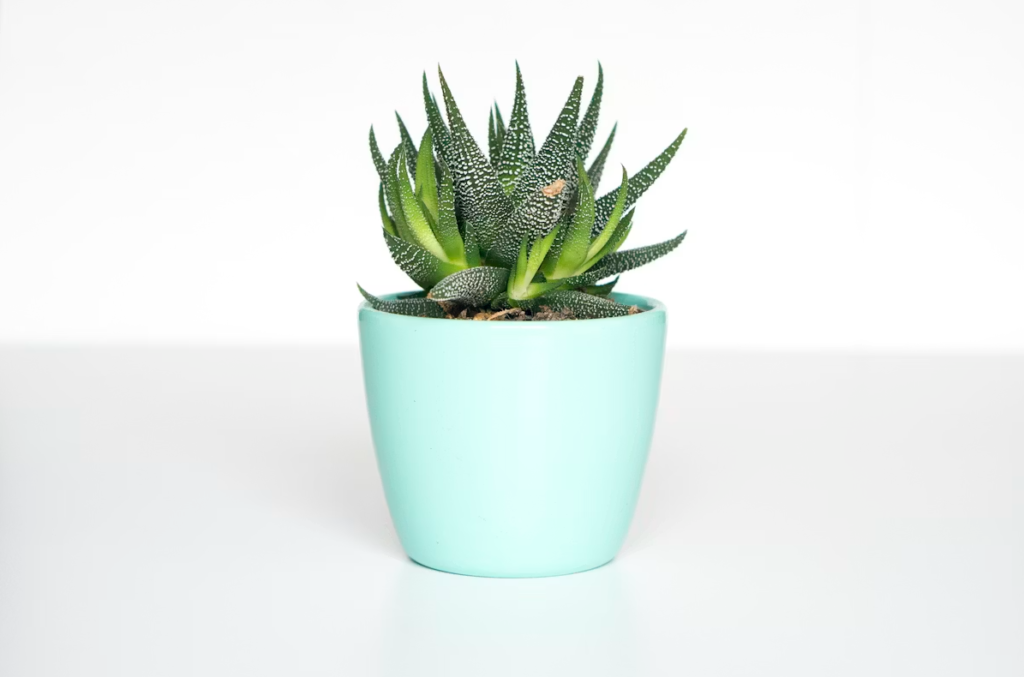
- Drought tolerant — Allow soil to dry out between waterings. These plants (succulents, lavender, rosemary) actually prefer dry conditions and suffer from overwatering.
- Well-drained soil — The plant needs moisture but cannot tolerate waterlogged roots. Most plants fall into this category — it means use potting mix with good drainage and don’t let containers sit in standing water.
- Consistently moist — Keep the soil evenly moist but not waterlogged. Check frequently and water before the soil dries out completely. Hydrangeas and ferns are examples.
- Moist to wet — This plant tolerates or prefers very wet conditions. Few common container plants fall here — it’s mostly for water garden plants.
Mature Size
Plant labels typically list height and spread at maturity. This information is critical for container gardening — a plant labeled “3–4 feet tall, 2–3 feet wide” will outgrow a small container quickly and needs to be potted accordingly from the start.
For container growing, the spread (width) is often as important as the height. A plant with a 3-foot spread needs a container wide enough to support that growth without becoming root-bound within a single season.
Note that mature sizes on labels are often for in-ground growing. Container plants typically stay somewhat smaller — especially if you’re pruning them. But use the labeled size as a guide for minimum container size.
Hardiness Zones
USDA Hardiness Zones appear on most perennial plant labels and indicate the coldest temperature a plant can survive. The zone map divides the US into numbered zones based on average minimum winter temperatures.
| What the Label Says | What It Means for Container Growers |
|---|---|
| Zones 3–8 (or similar range) | Hardy perennial — survives winter outdoors in those zones. In containers, roots are more exposed to cold, so treat as one zone colder. |
| Zones 9–11 | Tropical or tender plant — bring indoors before frost in most US climates |
| Annual | Completes its life cycle in one season — doesn’t survive winter regardless of zone |
| Perennial | Returns each year — check zone compatibility for your climate |
Days to Maturity (Vegetable Labels)
Vegetable seed packets and plant labels list “days to maturity” — the number of days from transplanting (or from germination for direct-sown seeds) until the plant is ready to harvest.
This number is more useful than most beginners realize. Work backward from your first expected frost date to figure out whether a crop will have time to mature before the season ends. A tomato variety labeled “80 days to maturity” transplanted in early June will be ready in late August — well before a typical October frost. The same variety planted in late July might not make it.
Other Label Information
- Plant spacing — how far apart to space plants in a garden bed. For containers, use this as a guide to how many plants fit comfortably in a given pot size.
- Attracts pollinators / wildlife friendly — the plant produces flowers that attract bees, butterflies, or other beneficial insects
- Deer resistant — less relevant for container gardeners, but indicates the plant has strong aromatic compounds that deter browsing animals
- Native — the plant is native to the region, making it particularly suited to local conditions and wildlife
Final Thoughts
A plant label read carefully before you buy is worth far more than troubleshooting advice after a plant fails. Most container plant disappointments — underperforming vegetables, plants that die through winter, flowers that don’t bloom — come from ignoring or misunderstanding the information right there on the label.
Take 30 seconds to read it properly before you buy, and you’ll make much better plant choices for your specific containers and conditions. 🏷️
Questions about choosing the right plants for your containers? Visit the Contact page!
— mumu, Green Garden Tips