By mumu
Every container gardener makes mistakes — usually the same ones everyone else makes, at least at first. The good news is that most container gardening problems are caused by a short list of very fixable errors. Once you know what they are, they’re surprisingly easy to avoid.
Here are the most common container gardening mistakes and what to do instead.
Mistake 1: Using Containers Without Drainage Holes
This is the most fundamental container gardening mistake, and it’s often made in the name of aesthetics — a beautiful decorative pot that unfortunately has no drainage. Without drainage, water accumulates at the bottom of the container, roots sit in anaerobic conditions, and root rot develops quickly.
The fix: Always use containers with drainage holes. If you love a pot without drainage, use it as a cachepot — place a smaller pot with drainage holes inside the decorative outer pot. Empty the cachepot after watering so roots don’t sit in standing water.
Mistake 2: Pots That Are Too Small
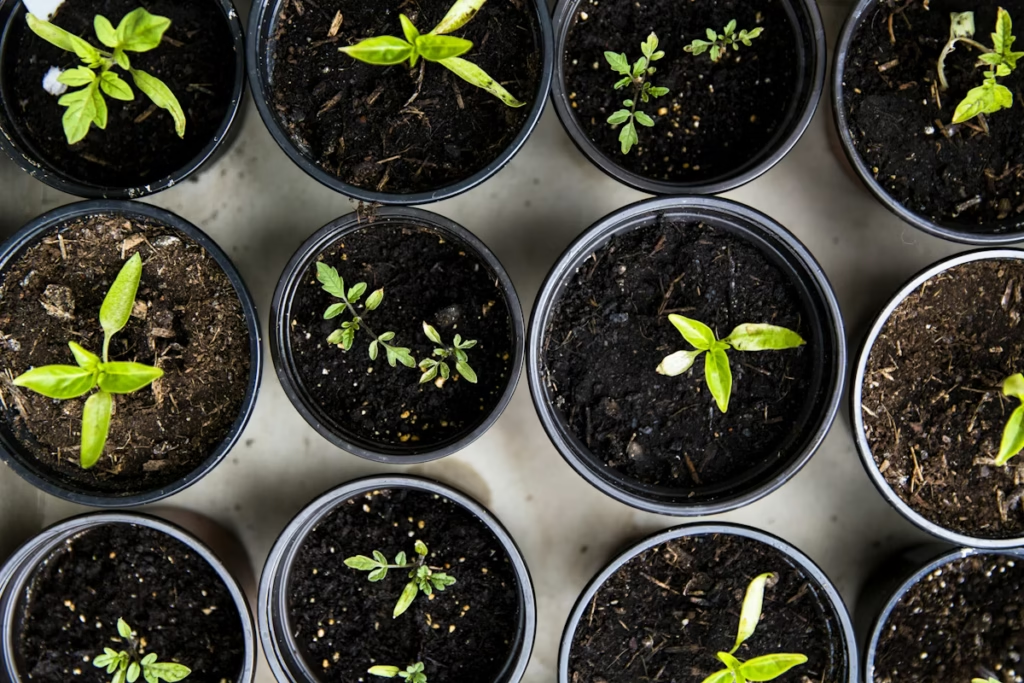
Undersized containers are one of the most common reasons container plants underperform. Small pots restrict root development, dry out rapidly, overheat in summer, and stress plants in ways that reduce flowering, fruiting, and overall health.
The fix: When in doubt, go bigger. Tomatoes need 10+ gallons, peppers need 5+ gallons, herbs need at least 6 inches of diameter. Larger containers are more forgiving, hold moisture longer, and produce noticeably better results.
Mistake 3: Overwatering
Overwatering is the single most common cause of container plant death. Most people water on a schedule — every day, or every two days — regardless of what the plant actually needs. This leads to constantly wet soil, root oxygen deprivation, and root rot that masquerades as other problems.
The fix: Check the soil before every watering. Stick your finger an inch into the soil — if it feels moist, wait. Water only when the top inch feels dry. Most plants in most conditions need far less water than people think, especially in cooler weather.
Mistake 4: Using Garden Soil Instead of Potting Mix
Garden soil is fine for garden beds but completely wrong for containers. It compacts in pots, blocks drainage and aeration, and often introduces pests and disease. Plants in garden soil in containers typically look miserable within weeks.
The fix: Always use a quality potting mix specifically formulated for containers. It’s lighter, drains better, and provides the loose, aerated growing environment that container plants need. It’s worth the extra cost.
Mistake 5: Not Fertilizing
Container plants run out of nutrients faster than in-ground plants because they’re in a limited soil volume that gets flushed with every watering. A plant that started strong in spring often becomes pale, slow-growing, and unproductive by midsummer — not because of disease or pests, but simply because it’s run out of nutrients.
The fix: Start a regular fertilizing schedule about 4–6 weeks after potting up (when the initial fertilizer in the potting mix is exhausted). A liquid fertilizer every 1–2 weeks through the growing season keeps container plants performing consistently.
Mistake 6: Wrong Plant for the Light Conditions
Putting a full-sun vegetable in a partially shaded spot, or a shade-loving fern in direct afternoon sun — mismatching plants to light conditions is one of the most common reasons container gardens disappoint. Plants in the wrong light conditions struggle no matter how well everything else is managed.
The fix: Check light requirements before buying any plant. Count the actual hours of direct sun in your sunniest spot. Be honest — most people overestimate their available light by 1–2 hours.
Mistake 7: Planting Too Early in Spring
The excitement of spring can lead to moving warm-season plants outside before nighttime temperatures are consistently safe. A single late frost or cold night can set plants back weeks or kill them outright — undoing months of careful growing.
The fix: Know your last frost date and stick to it for warm-season plants. Check nighttime temperatures — not just daytime — before moving plants outside. Keep frost cloth on hand for unexpected cold snaps.
Mistake 8: Skipping Deadheading
Many flowering container plants slow down or stop blooming once spent flowers are allowed to go to seed. The plant thinks its job is done and redirects energy away from flowering. Many beginners don’t realize that regular removal of spent blooms is what keeps flowering plants producing all season.
The fix: Deadhead regularly — remove spent flowers before seeds form. For most flowering annuals, 5–10 minutes of deadheading per week makes a dramatic difference to how long and how abundantly they bloom.
Mistake 9: Ignoring Pests Until the Problem Is Serious
Container plants in close proximity create ideal conditions for pests to spread quickly. A small aphid colony that could have been washed off with water becomes a serious infestation if ignored for two weeks.
The fix: Check plants regularly — especially the undersides of leaves where most pests hide. Catching problems early, when they’re easy to treat, prevents the frustration of dealing with a full-blown infestation.
Mistake 10: Giving Up Too Soon
Container gardening has a learning curve. Plants die, harvests disappoint, things go wrong that you don’t understand. Many people try it once, have a mediocre experience, and decide it’s not for them.
The fix: Expect some losses, especially in the first season. Every dead plant teaches you something about your specific conditions. The gardeners who become genuinely good at container growing are the ones who kept going long enough to learn from their mistakes.
Final Thoughts
Most container gardening problems trace back to this list. Get watering right, use appropriate containers with drainage, match plants to your light conditions, fertilize consistently, and check for pests regularly — and you’ll avoid the vast majority of issues that trip up beginning container gardeners.
The learning curve is real, but it’s not steep. A season or two of attentive growing teaches you more than any article can. 🌿
Questions about container gardening problems? Visit the Contact page — always happy to help!
— mumu, Green Garden Tips