By mumu
Fungus gnats are one of the most annoying pests in container gardening. These tiny flying insects appear seemingly out of nowhere, hovering around your plants and soil, and once they establish themselves in your containers, they can be surprisingly difficult to get rid of.
The good news is that fungus gnats are very manageable once you understand their life cycle and what they need to survive. With the right approach, you can eliminate them completely and prevent them from coming back. Here is everything you need to know.
Table of Contents
- How to Identify Fungus Gnats
- Understanding the Fungus Gnat Life Cycle
- What Damage Do Fungus Gnats Cause?
- What Causes Fungus Gnats in Pots?
- How to Get Rid of Fungus Gnats Fast
- Best Traps for Fungus Gnats
- Best Soil Treatments for Fungus Gnats
- How to Prevent Fungus Gnats
- Dealing with Fungus Gnats on Indoor Plants
- Top Tips for Getting Rid of Fungus Gnats
1. How to Identify Fungus Gnats
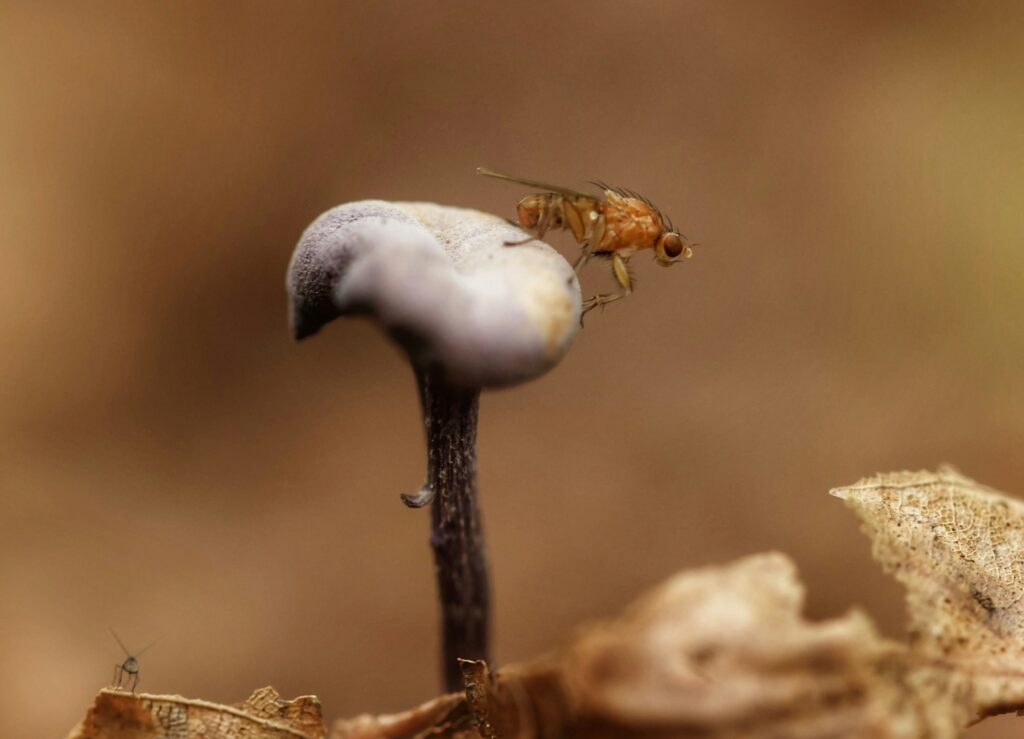
Fungus gnats are tiny flies — about 2–3mm long — that look similar to miniature mosquitoes. They’re dark colored with long legs and long antennae, and they fly weakly in a slow, erratic pattern around plants and soil.
| Feature | Description |
|---|---|
| Adult appearance | Tiny dark flies, 2–3mm, long legs, weak fliers |
| Where you see them | Flying around soil surface, near pot drainage holes, on nearby windows |
| Larvae appearance | Tiny white or clear worms with black heads — visible in soil |
| When most active | Year round indoors — peak outdoors in spring and fall |
How to confirm fungus gnats vs other flies: Place a piece of raw potato on the soil surface. After 24 hours, check underneath — if you see tiny white larvae, you have fungus gnats.
2. Understanding the Fungus Gnat Life Cycle
Understanding the life cycle is key to eliminating fungus gnats effectively. Adult gnats live for only about a week, but in that time a single female can lay 200–300 eggs in moist soil.
| Stage | Duration | Location |
|---|---|---|
| Egg | 3–6 days | Top layer of moist soil |
| Larva | 10–14 days | In the soil — feeding on organic matter and roots |
| Pupa | 5–7 days | In the soil |
| Adult | 7–10 days | Flying around plants and soil |
| Total life cycle | 3–4 weeks | — |
Key insight: The adult flies are annoying but relatively harmless. The larvae in the soil are the real problem — they feed on plant roots and organic matter. Any effective treatment must target both adults AND larvae to break the life cycle.
3. What Damage Do Fungus Gnats Cause?
- Root damage — Larvae feed on fine root hairs and can damage seedlings and young plants significantly
- Stunted growth — Root damage reduces the plant’s ability to absorb water and nutrients
- Wilting — Severe infestations can cause wilting even in well-watered plants
- Disease transmission — Larvae can spread root rot fungi as they move through the soil
- Nuisance — Adult flies are irritating and can spread to other containers and houseplants
Most at risk: Seedlings and young plants are most vulnerable to larval damage. Established plants usually tolerate moderate infestations without serious harm.
4. What Causes Fungus Gnats in Pots?
Fungus gnats thrive in one specific condition above all others: consistently moist soil. If your containers stay wet for extended periods, you’re creating ideal breeding conditions for fungus gnats.
- Overwatering — The single most common cause of fungus gnat infestations
- Peat-based potting mixes — These retain moisture well, which gnats love
- Poor drainage — Waterlogged soil creates perfect breeding conditions
- Organic matter in soil — Larvae feed on decomposing organic material
- Contaminated potting mix — Some bags of potting mix already contain gnat eggs
- Nearby infested plants — Adult gnats fly between containers easily
5. How to Get Rid of Fungus Gnats Fast
The fastest way to reduce a fungus gnat infestation is a combination approach that targets adults, larvae, and eggs simultaneously.
Step 1: Let the soil dry out
Stop watering and allow the top 2–3 inches of soil to dry out completely. Larvae cannot survive in dry soil. This single step will kill a significant portion of the larval population.
Step 2: Apply a soil drench
Once the soil has dried, apply a soil treatment (see treatments section below) to kill remaining larvae.
Step 3: Set adult traps
Place yellow sticky traps near affected plants to catch adult gnats and monitor the population.
Step 4: Repeat
Continue the dry-out and treat cycle for 3–4 weeks to break the complete life cycle.
6. Best Traps for Fungus Gnats
| Trap Type | How It Works | Effectiveness |
|---|---|---|
| Yellow sticky traps | Adult gnats are attracted to yellow and stick to the surface | Good for monitoring and reducing adult population ✅ |
| Apple cider vinegar trap | Fill a small bowl with apple cider vinegar and a drop of dish soap — gnats are attracted and drown | Good for catching adults ✅ |
| Potato trap | Raw potato pieces on soil surface attract larvae — remove and dispose after 24 hours | Helps reduce larval population ✅ |
7. Best Soil Treatments for Fungus Gnats
| Treatment | How to Use | Effectiveness |
|---|---|---|
| Hydrogen peroxide drench | Mix 1 part 3% hydrogen peroxide with 4 parts water. Water the soil thoroughly. Kills larvae on contact. | Excellent ✅✅ |
| Neem oil drench | Mix neem oil with water per label instructions. Apply as a soil drench every 7 days. | Very good ✅✅ |
| Beneficial nematodes | Microscopic organisms that hunt and kill fungus gnat larvae in soil. Apply as a soil drench. | Excellent — organic and safe ✅✅ |
| Bacillus thuringiensis (Bti) | A natural bacteria that kills gnat larvae. Available as granules or liquid. Very safe for plants and people. | Excellent ✅✅ |
| Cinnamon powder | Sprinkle on soil surface — natural antifungal that disrupts the food source for larvae | Moderate — best used alongside other treatments ✅ |
8. How to Prevent Fungus Gnats
| Prevention Strategy | How It Helps |
|---|---|
| Let soil dry between waterings | Dry soil kills eggs and larvae — the single most effective prevention |
| Use well-draining potting mix | Soil that dries quickly is less hospitable to gnats |
| Add perlite to potting mix | Improves drainage and helps soil dry faster |
| Top dress with sand or gravel | A layer of coarse sand on the soil surface prevents females from laying eggs |
| Use yellow sticky traps proactively | Catches adults before they can lay eggs |
| Inspect new plants before bringing indoors | Check soil of new plants for larvae before introducing them to your collection |
9. Dealing with Fungus Gnats on Indoor Plants
Fungus gnats are especially problematic on indoor plants because lower light and cooler temperatures mean soil stays moist for much longer than outdoors. Here are specific tips for indoor plant infestations:
- Water indoor plants significantly less than you think you need to — indoor soil dries much more slowly
- Bottom water indoor plants — fill a saucer with water and let the plant absorb from below, keeping the top layer of soil dry
- Use a moisture meter to check soil before every watering
- Isolate infested plants from healthy ones immediately
- Place yellow sticky traps flat on the soil surface rather than upright — catches more adults
10. Top Tips for Getting Rid of Fungus Gnats
- Let soil dry out first — This is the most important step. Dry soil kills larvae fast.
- Target both adults and larvae — Use traps for adults and soil treatments for larvae simultaneously
- Be consistent for 4 weeks — You must break the complete life cycle to eliminate the infestation
- Check all nearby containers — Adults fly between pots easily — treat all affected containers at the same time
- Use hydrogen peroxide as a fast fix — The hydrogen peroxide drench is the fastest and most effective treatment for a severe infestation
- Prevent recurrence by watering less — Most fungus gnat infestations are caused by overwatering
Final Thoughts
Fungus gnats are frustrating but very manageable with the right approach. The key is letting your soil dry out, treating larvae with an effective soil drench, and trapping adults — consistently, for at least 3–4 weeks.
Once you’ve eliminated an infestation, adjusting your watering habits to let soil dry more between waterings is the best long-term prevention. Fungus gnats and overwatered soil go hand in hand — fix the watering and you fix the gnats. 🪲
Have questions about dealing with fungus gnats in container plants? Visit the Contact page — I’d love to hear from you!
— mumu, Green Garden Tips