By mumu
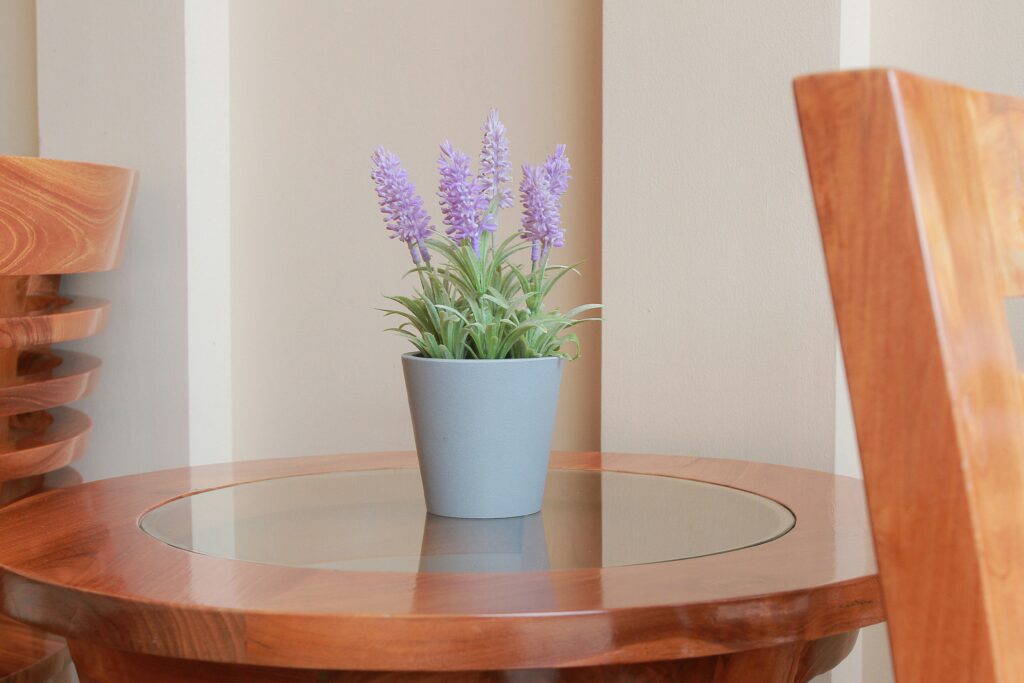
Lavender is one of the most beautiful, fragrant, and useful plants you can grow in a pot. The sight of silver-green foliage topped with spikes of purple flowers, swaying gently in a warm breeze and filling the air with that unmistakable fragrance — it’s one of the great pleasures of container gardening.
Lavender thrives in containers because pots provide the excellent drainage and warm soil conditions that this Mediterranean plant loves. In fact, many experienced lavender growers prefer containers over garden beds precisely because they can control the drainage so precisely. Here is everything you need to know.
Table of Contents
- Best Lavender Varieties for Pots
- Choosing the Right Container
- Best Soil for Container Lavender
- How to Plant Lavender in Containers
- Sunlight Requirements
- How to Water Lavender in Pots
- How to Fertilize Container Lavender
- How to Prune Lavender in Pots
- Overwintering Container Lavender
- Common Problems and Solutions
1. Best Lavender Varieties for Pots
Choosing the right lavender variety is important for container growing. Compact varieties perform best in pots — they stay manageable in size while producing abundant flowers.
| Variety | Height | Hardiness | Notes |
|---|---|---|---|
| Hidcote | 12–18 inches | Hardy | Most popular compact variety — deep purple flowers, very fragrant |
| Munstead | 12–18 inches | Hardy | Classic English lavender — compact, reliable, excellent fragrance |
| Little Lady | 10–12 inches | Hardy | Extra compact — perfect for small containers and windowsills |
| French Lavender (Dentata) | 18–24 inches | Tender | Unique toothed leaves, long blooming season — not frost hardy |
| Spanish Lavender (Stoechas) | 18–24 inches | Tender | Distinctive “rabbit ear” flowers — very showy container plant |
Best choice for beginners: Hidcote or Munstead — both are compact, cold-hardy, reliably fragrant, and widely available.
2. Choosing the Right Container
Container choice is especially important for lavender because it is highly sensitive to overwatering and poor drainage.
| Detail | Recommendation | Why |
|---|---|---|
| Best size | 12–16 inches diameter | Gives roots room to spread without excess moisture-holding soil |
| Best material | Terracotta | Porous walls allow excess moisture to evaporate — perfect for lavender |
| Drainage holes | Essential — at least 2–3 holes | Lavender roots rot very quickly in waterlogged soil |
| Depth | At least 12 inches | Lavender has a substantial root system that needs depth |
Key tip: Terracotta is by far the best pot material for lavender. If you must use plastic, add extra perlite to the soil mix and be very careful not to overwater.
3. Best Soil for Container Lavender
Soil choice is critical for lavender. It needs extremely well-draining soil that dries out quickly after watering — the opposite of what most moisture-loving plants need.
Best soil mix for container lavender:
- 40% potting mix
- 40% perlite or coarse horticultural grit
- 20% coarse sand
This mix drains very fast and dries out quickly — exactly what lavender needs. Lavender also prefers a slightly alkaline soil pH of 6.5–7.5. If your potting mix is acidic, add a small amount of garden lime.
What to avoid: Never use peat-based potting mixes for lavender — they hold too much moisture and will cause root rot.
4. How to Plant Lavender in Containers
- Fill the container with prepared soil mix, leaving 2 inches at the top
- Remove the lavender from its nursery pot, gently loosening any circling roots
- Plant at the same depth — never bury the stem deeper than it was growing before
- Fill around the roots with soil, pressing gently
- Top dress with gravel or grit — a layer of decorative gravel around the base of the plant keeps moisture away from the stem and improves drainage
- Water once after planting — then wait until the soil dries completely before watering again
- Place in full sun immediately
5. Sunlight Requirements
Lavender needs more direct sunlight than almost any other container plant. Insufficient light is one of the most common reasons container lavender fails to thrive.
| Sunlight | Result |
|---|---|
| 6–8 hours direct sun | Ideal — compact growth, maximum flowers, strongest fragrance |
| 4–6 hours direct sun | Acceptable — reduced flowering and fragrance |
| Less than 4 hours | Poor — leggy growth, few flowers, weak fragrance, prone to disease |
6. How to Water Lavender in Pots
Overwatering is the number one cause of lavender death in containers. Lavender is a drought-tolerant Mediterranean plant that prefers to dry out completely between waterings.
- Water only when the soil has dried out completely — not just the top inch, but all the way through
- In summer, this may mean watering every 7–14 days
- In cooler weather, once every 2–3 weeks or less
- In winter, barely water at all — once a month or less
- Never let lavender sit in a saucer of water
- When in doubt — wait several more days before watering
Simple rule: Lavender would rather be too dry than too wet. If you’re unsure, don’t water.
7. How to Fertilize Container Lavender
Lavender is a very light feeder that needs minimal fertilizing. Over-fertilizing — especially with nitrogen — produces lush, floppy growth and fewer flowers.
| Detail | Recommendation |
|---|---|
| Best fertilizer | Low-nitrogen, high-potassium fertilizer — once in spring only |
| Frequency | Once per year in early spring — that’s all it needs |
| What to avoid | High-nitrogen fertilizers — produce weak, floppy growth and reduced flowering |
8. How to Prune Lavender in Pots
Regular pruning is essential to keep container lavender compact, bushy, and productive. Without pruning, lavender becomes woody and leggy — producing fewer flowers each year.
When to prune:
- After flowering (late summer) — Cut back flower stalks and trim the foliage by about one-third. This encourages fresh growth and maintains compact shape.
- Early spring — Light trim to remove any winter-damaged growth and shape the plant before the new season begins.
Key rule: Never cut back into old, woody stems — lavender will not regrow from old wood. Always leave some green growth when pruning.
9. Overwintering Container Lavender
| Lavender Type | Frost Hardiness | Winter Care |
|---|---|---|
| English lavender (Hidcote, Munstead) | Hardy to -15°F (-26°C) | Can stay outdoors — move to sheltered spot and reduce watering |
| French lavender (Dentata) | Hardy to 23°F (-5°C) | Bring indoors or into a frost-free greenhouse in cold climates |
| Spanish lavender (Stoechas) | Hardy to 14°F (-10°C) | Protect from hard frosts — move to sheltered spot or indoors |
Key winter tip: The biggest winter risk for container lavender is not cold — it’s wet. Ensure excellent drainage over winter and reduce watering to an absolute minimum. Wet, cold soil is far more damaging than dry, cold soil.
10. Common Problems and Solutions
| Problem | Cause | Solution |
|---|---|---|
| Brown, wilting stems | Root rot from overwatering | Repot in fresh dry soil, improve drainage, water much less |
| Leggy, floppy growth | Insufficient light or over-fertilizing | Move to sunnier spot, reduce or eliminate fertilizing |
| Few or no flowers | Not enough sun or not pruned regularly | Move to full sun, prune after flowering every year |
| Woody, unproductive plant | Not pruned for several years | Hard prune in spring — cut back by one-third but avoid old wood |
| Gray mold on stems | Botrytis fungus from poor air circulation or wet conditions | Improve air circulation, remove affected stems, reduce watering |
Final Thoughts
Lavender is one of the most rewarding container plants you can grow. Its fragrance alone makes it worth every bit of care it needs — and once you understand its simple requirements (maximum sun, excellent drainage, minimal water), it’s actually one of the easier Mediterranean herbs to grow successfully in pots.
Give your lavender the sun it craves, the drainage it needs, and resist the urge to overwater — and it will reward you with years of beautiful flowers and incredible fragrance. 🌿
Have questions about growing lavender in containers? Visit the Contact page — I’d love to hear from you!
— mumu, Green Garden Tips