By mumu
Root rot is one of the most serious problems a container gardener can face — and one of the most common. It’s caused by overwatering and poor drainage, and it progresses quickly once established. A plant that looks slightly unhealthy today can be dead within a week if root rot is allowed to advance unchecked.
The good news is that root rot can be treated successfully if caught early enough. Many plants that look beyond saving can make a full recovery with prompt action and the right treatment. Here is a complete guide to identifying, treating, and preventing root rot in container plants.
Table of Contents
- What Is Root Rot?
- What Causes Root Rot in Containers?
- Signs of Root Rot in Container Plants
- How to Confirm Root Rot
- How to Treat Root Rot Step by Step
- Treating Severe Root Rot
- How to Help Plants Recover After Treatment
- How to Prevent Root Rot in Containers
- Plants Most Susceptible to Root Rot
- Top Tips for Preventing and Fixing Root Rot
1. What Is Root Rot?
Root rot is a condition where plant roots decay and die — usually caused by a combination of waterlogged soil and soil-borne fungi that thrive in wet, oxygen-deprived conditions. The most common culprits are Pythium, Phytophthora, and Fusarium fungi.
When soil stays constantly wet, roots are deprived of the oxygen they need to function. Weakened roots become susceptible to fungal infection, which spreads rapidly through the root system. Once a significant portion of the root system is damaged, the plant can no longer absorb water or nutrients — and begins to decline rapidly.
2. What Causes Root Rot in Containers?
| Cause | Detail |
|---|---|
| Overwatering | The most common cause — watering before soil has dried sufficiently |
| Poor drainage | Containers without drainage holes or blocked drainage holes |
| Wrong potting mix | Heavy, dense soil that retains too much moisture |
| Oversized container | Too much soil holds moisture that roots can’t absorb |
| Contaminated potting mix | Some potting mixes already contain root rot fungi |
| Cold, wet conditions | Cool temperatures slow soil drying and root function, increasing risk |
3. Signs of Root Rot in Container Plants
| Symptom | What It Indicates |
|---|---|
| Wilting despite wet soil | Roots can no longer deliver water to leaves — strong indicator of root rot |
| Yellow leaves | Nutrient delivery blocked by damaged roots |
| Brown, mushy stems at the base | Rot spreading from roots up into the stem |
| Foul smell from soil | Characteristic musty, rotten smell of anaerobic soil and decaying roots |
| Dropping leaves | Plant shedding leaves to reduce water demand it can no longer meet |
| Stunted or stopped growth | Damaged roots cannot support new growth |
| Mold on soil surface | Fungal activity in excessively wet soil |
4. How to Confirm Root Rot
The only way to confirm root rot is to examine the roots directly. Here is how:
- Gently remove the plant from its container
- Shake off excess soil to expose the roots
- Examine the roots carefully:
| Root Appearance | What It Means |
|---|---|
| White, firm, and healthy | No root rot — look for another cause of the symptoms |
| Light brown but still firm | Early stage root stress — treat immediately to prevent progression |
| Dark brown, soft, and mushy | Active root rot — treat immediately |
| Black, slimy, and falling apart | Severe root rot — recovery possible but challenging |
5. How to Treat Root Rot Step by Step
Step 1: Remove from the container
Gently remove the plant from its pot. Work carefully to avoid further root damage.
Step 2: Wash the roots
Gently rinse the roots under lukewarm running water to remove all old soil. This allows you to clearly see which roots are healthy and which are rotten.
Step 3: Trim all rotten roots
Using clean, sharp scissors or pruning shears, cut away every brown, mushy, or black root. Cut back to healthy white tissue — even if this means removing a significant portion of the root system.
Step 4: Disinfect your tools
Wipe your scissors or shears with rubbing alcohol between cuts to prevent spreading the fungus.
Step 5: Treat the remaining roots
Dust the remaining healthy roots with cinnamon powder (a natural antifungal) or a commercial fungicide. Allow to air dry for 30–60 minutes.
Step 6: Prepare a clean container
Use a clean container with fresh potting mix — never reuse the old soil, which contains the root rot fungi. Add extra perlite to the new mix for improved drainage.
Step 7: Repot
Plant in the clean container with fresh soil. Water lightly — don’t overwater immediately after repotting.
Step 8: Reduce leaf mass
If you’ve removed a significant portion of the roots, trim back the above-ground growth proportionally. Fewer roots means the plant can support fewer leaves — this balance improves recovery chances.
6. Treating Severe Root Rot
If more than 50% of the root system is rotten, recovery is more difficult but still possible with careful treatment.
- Remove ALL rotten roots — even if this leaves very little root system remaining
- Cut back above-ground growth significantly — to match the reduced root system
- Apply a commercial fungicide drench after repotting
- Place in bright indirect light — not full sun — while recovering
- Water extremely sparingly for the first 2–3 weeks
- Be patient — recovery from severe root rot can take 4–8 weeks
7. How to Help Plants Recover After Treatment
| Care Aspect | Recommendation |
|---|---|
| Watering | Water very sparingly — allow soil to dry significantly between waterings |
| Light | Bright indirect light — not full sun — reduces stress while recovering |
| Fertilizing | Do not fertilize for 4–6 weeks — damaged roots are easily burned by fertilizer |
| Humidity | Slightly higher humidity helps reduce water demand while roots recover |
| Patience | New root growth is not visible — look for new leaf growth as the first sign of recovery |
8. How to Prevent Root Rot in Containers
| Prevention Strategy | Why It Works |
|---|---|
| Always use containers with drainage holes | Allows excess water to escape rather than accumulating at the bottom |
| Check soil before every watering | Only water when the top inch of soil feels dry |
| Use well-draining potting mix | Add perlite to improve drainage and aeration |
| Empty saucers after watering | Prevents roots from sitting in standing water |
| Use terracotta or fabric pots | These materials allow moisture to evaporate through the walls |
| Choose the right pot size | Oversized pots hold more moisture than roots can absorb |
9. Plants Most Susceptible to Root Rot
- Succulents and cacti — Most vulnerable of all — need fast-draining soil and infrequent watering
- Lavender and Mediterranean herbs — Hate wet roots — always use well-draining soil
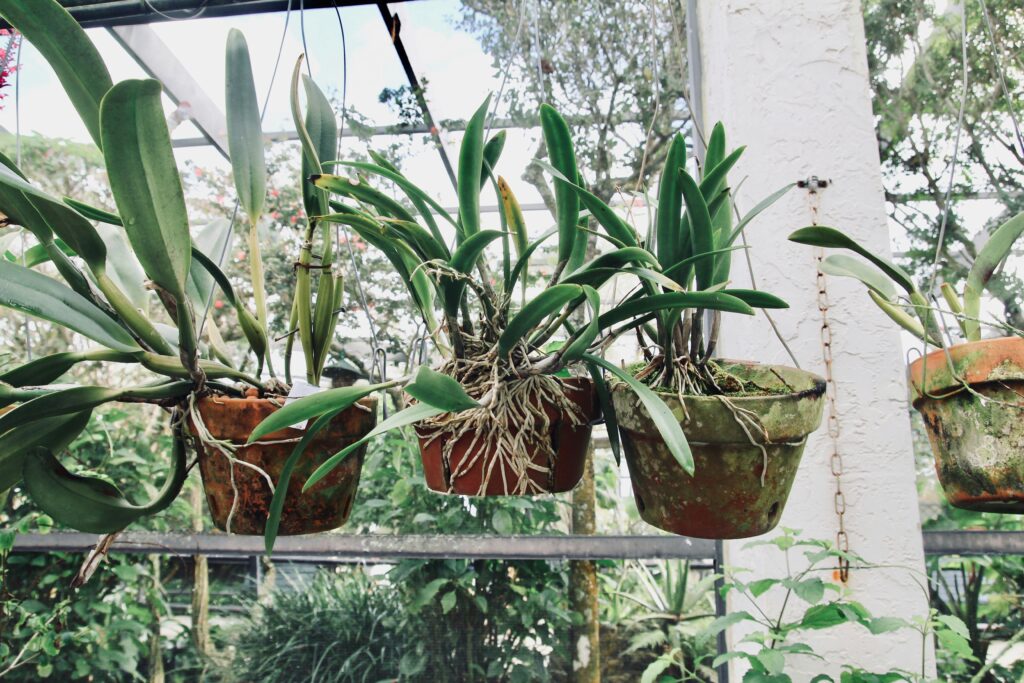
- Orchids — Very susceptible — need excellent air circulation around roots
- Pothos and philodendrons — Tolerant but still vulnerable to severe overwatering
- Citrus trees — Very susceptible to Phytophthora root rot in poorly draining soil
- Tomatoes and peppers — Susceptible when overwatered, especially in cool weather
10. Top Tips for Preventing and Fixing Root Rot
- Act immediately — Root rot progresses quickly — every day matters once symptoms appear
- Remove all rotten roots completely — Leaving any rotten tissue allows the fungus to spread
- Never reuse contaminated soil — Always use fresh potting mix after treating root rot
- Clean containers thoroughly — Wash with a diluted bleach solution before reusing
- Water less after treatment — The plant has fewer roots and needs less water while recovering
- Prevention is always easier than treatment — Correct watering habits prevent the vast majority of root rot cases
Final Thoughts
Root rot is serious, but it’s both preventable and treatable. The key is catching it early, acting decisively, and addressing the underlying cause — almost always overwatering and poor drainage.
Make checking your soil before watering a daily habit, ensure your containers all have drainage holes, and use a well-draining potting mix. Do those three things consistently, and root rot will rarely trouble your container garden. 🌱
Have questions about root rot in container plants? Visit the Contact page — I’d love to hear from you!
— mumu, Green Garden Tips