By mumu
One of the biggest misconceptions about container vegetable gardening is that it has to be expensive. Fancy self-watering planters, premium potting mixes, designer pots — the garden center makes it easy to spend a lot of money before you’ve grown a single thing.
But the truth is, some of the most productive container food gardens are put together on very small budgets. Here’s how to grow an edible container garden at every budget level — from almost nothing to fully invested.
The Almost-Free Container Garden
You can start a productive edible container garden with very little money if you’re willing to be resourceful.
Free or nearly free containers: Almost any container with drainage added can grow food. Food-grade buckets (free from restaurant supply stores or bakeries), wooden crates lined with landscape fabric, old colanders, large tin cans, repurposed storage totes — all of these work. Drill drainage holes in the bottom of anything that doesn’t already have them.
Free or cheap growing medium: Make your own mix from compost (free if you compost at home, cheap from a municipal source), garden soil (add perlite to improve drainage in containers), and any organic material you have access to. It won’t perform as well as a premium potting mix, but it’s entirely workable for many crops.
Free plants: Many herbs can be propagated from supermarket bunches — basil, mint, and rosemary all root readily in water. Ask neighbors with gardens for cuttings or plant divisions. Grow from seed rather than buying transplants — a packet of lettuce seeds costs less than one lettuce plant and produces dozens.
Best crops for this budget: Herbs (especially mint, basil from cuttings), lettuce and salad greens from seed, radishes, green onions.
The $50–100 Budget Garden
With a modest budget, you can set up a genuinely productive container food garden that will produce well through the season and pay back its cost in fresh food many times over.
Spend on:
- 2–3 quality containers (5–10 gallons each) — around $10–20 each for basic plastic containers
- One bag of quality potting mix — around $15–20 for a large bag
- Seeds rather than transplants for most crops — a selection of herb and vegetable seeds for $20–30 covers an entire season
- Basic liquid fertilizer — one bottle ($10–15) lasts a full season
Best crops for this budget: Tomatoes (from a single transplant), peppers, herbs, lettuce, beans. Focus on high-yield crops that give you the most food per dollar spent.
The $100–200 Budget Garden
This budget allows for a more complete setup — better containers, higher-quality growing medium, and the ability to grow a wider range of crops.
| Item | Approximate Cost | Notes |
|---|---|---|
| 4–6 quality containers (various sizes) | $60–80 | Mix of 5, 10, and 15-gallon sizes |
| Premium potting mix (2 large bags) | $30–40 | Worth the investment for vegetables |
| Seed selection + 1–2 transplants | $20–30 | Seeds for herbs and greens, transplants for tomatoes |
| Fertilizer + basic tools | $20–30 | Liquid fertilizer, trowel, watering can |
Smart Ways to Stretch Any Budget
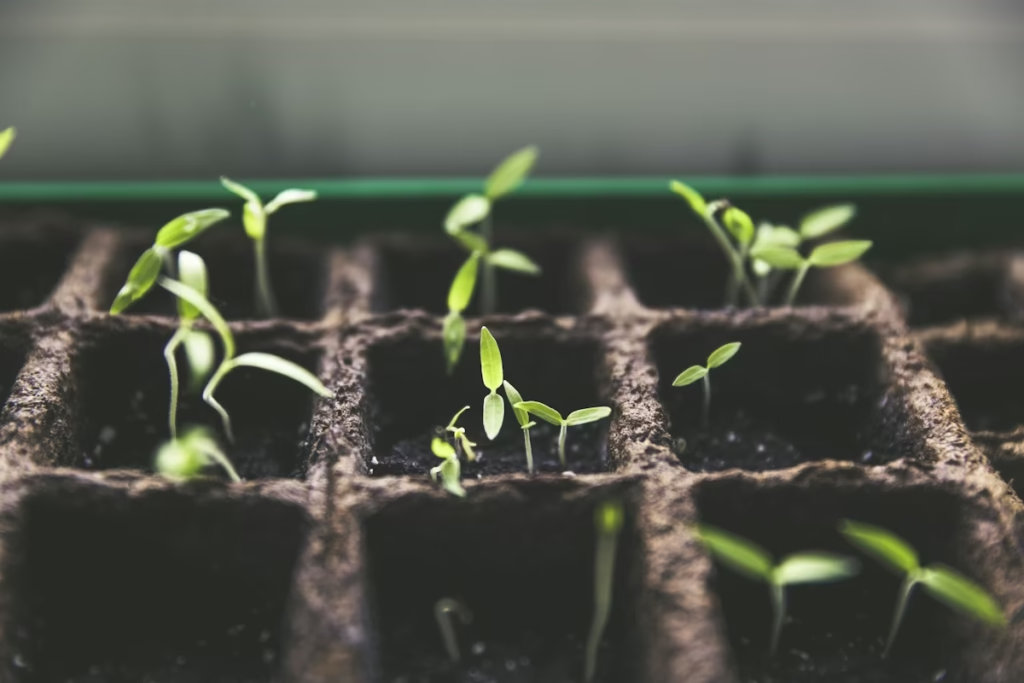
Grow from seed. Seeds are dramatically cheaper than transplants. One packet of tomato seeds costs the same as one tomato transplant but produces 20–30 plants. Start seeds indoors 6–8 weeks before your last frost date.
Focus on high-value crops. Grow things that are expensive to buy at the store — fresh herbs, heirloom tomatoes, specialty salad greens, peppers. Growing basic vegetables like carrots or potatoes is less cost-effective in containers than growing high-value items.
Save seeds. Many vegetables produce seeds you can save and plant next year — tomatoes, peppers, beans, and many herbs will give you next year’s garden for free from this year’s harvest.
Compost kitchen scraps. A small worm bin or basic compost setup turns kitchen waste into free fertilizer — significantly reducing ongoing costs.
Buy containers off-season. Garden center containers go on sale at the end of the season for significant discounts. Buying in fall for the following spring is one of the easiest ways to reduce container costs.
What Not to Skimp On
Budget gardening is smart, but some things are worth spending money on:
- Drainage — Always ensure containers drain properly. Root rot from poor drainage ruins more cheap container gardens than anything else.
- Potting mix for fruiting vegetables — Tomatoes and peppers in particular benefit significantly from quality potting mix. The yield difference between a premium mix and a cheap one can be dramatic.
- Fertilizer — A bottle of liquid fertilizer is inexpensive and makes a meaningful difference to productivity through the season.
Final Thoughts
The most expensive container garden isn’t necessarily the most productive one. Some of the best container food gardens are built resourcefully, from repurposed containers, saved seeds, and homemade compost — and they grow food just as well as setups that cost ten times as much.
Start with what you have, invest where it matters, and let the harvest pay you back. 🌱
Questions about budget container gardening? Visit the Contact page!
— mumu, Green Garden Tips