By mumu
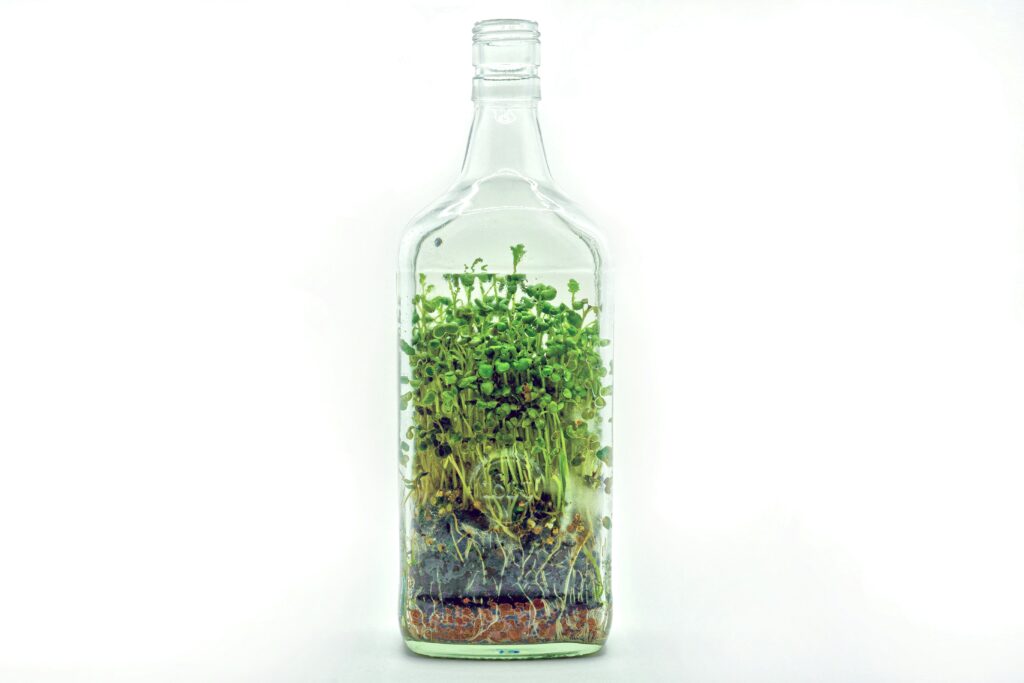
If you’ve ever wanted to grow your own food but felt put off by the space, equipment, or time required — sprouts are the answer. No soil, no containers, no grow lights, no outdoor space. Just a jar, some seeds, and a few minutes of attention each day. In return, you get fresh, nutritious, living food in 3–5 days.
It’s genuinely one of the most satisfying and accessible forms of home food growing available. Here’s exactly how to do it.
What Are Sprouts?
Sprouts are germinated seeds eaten at the earliest stage of growth — just after the seed has sprouted but before it develops true leaves. Unlike microgreens, which are grown in soil and cut above the surface, sprouts are grown in water and eaten root, shoot, and all.
They’re nutritionally remarkable — germination activates enzymes and increases the bioavailability of vitamins and minerals dramatically. Broccoli sprouts in particular have become well-known for their concentration of sulforaphane, a compound with significant health benefits.
What You Need
The equipment couldn’t be simpler:
- A wide-mouth glass jar (quart size works well)
- Cheesecloth, a piece of mesh, or a sprouting lid — secured with a rubber band or the jar ring
- Sprouting seeds — use seeds specifically sold for sprouting, as these are untreated and safe to eat raw
- Water
Dedicated sprouting lids with mesh inserts are inexpensive and make the process more convenient, but cheesecloth secured with a rubber band works perfectly well.
Best Seeds to Sprout
| Seed | Days to Ready | Flavor | Notes |
|---|---|---|---|
| Mung beans | 3–5 days | Mild, crisp | The classic bean sprout — most forgiving for beginners |
| Lentils | 2–3 days | Earthy, mild | Very fast — excellent first sprout |
| Broccoli | 4–6 days | Slightly spicy | Nutritionally outstanding — worth growing regularly |
| Radish | 3–5 days | Spicy, peppery | Great flavor contrast in salads and sandwiches |
| Alfalfa | 5–7 days | Very mild | Classic sandwich sprout — light and delicate |
| Chickpeas | 2–3 days | Nutty, mild | Use short — delicious lightly cooked |
Step-by-Step: How to Grow Sprouts in a Jar
Day 1 — Soak: Put 2 tablespoons of seeds in your jar. Cover with 2–3 times their volume of water. Cover the jar with mesh and let soak at room temperature for 8–12 hours (overnight works well). Larger seeds like chickpeas and mung beans need the full 12 hours; small seeds like broccoli and alfalfa need only 6–8 hours.
Day 1 evening — First rinse: After soaking, drain the water through the mesh lid. Rinse the seeds thoroughly with fresh water, drain completely, and tilt the jar at an angle (prop it upside down in a bowl or dish rack) so any remaining water can drain out. Air circulation is important — don’t seal the jar.
Day 2–5 — Rinse and drain twice daily: Morning and evening, rinse the sprouts with fresh water and drain completely each time. Tilt the jar at an angle between rinsings. You’ll see the seeds beginning to sprout within 24 hours and growing more quickly each day.
Final day — Light exposure: On the last day before harvest, move the jar to indirect light for a few hours. This turns alfalfa and other small sprouts green as chlorophyll develops, improving both nutrition and flavor.
Harvest: Sprouts are ready when they’ve reached 1–2 inches long. Give them a final rinse, drain thoroughly, and store in the refrigerator. They’ll keep for 4–5 days.
Tips for Success
- Drain completely after every rinse. Standing water causes mold — the most common sprouting problem. Tilt the jar and make sure water can fully drain.
- Keep at room temperature. Sprouts grow best between 65–75°F (18–24°C). Too cold and they grow slowly; too warm and they’re prone to mold.
- Rinse twice a day without fail. Skipping rinses allows bacteria to develop. Twice daily is the minimum for safe, successful sprouting.
- Use seeds specifically labeled for sprouting. Regular seeds sold for planting may be treated with fungicides not safe to eat.
- Start multiple jars on different days for a continuous supply — by the time one jar is finished, the next is ready.
How to Use Sprouts
Sprouts are incredibly versatile in the kitchen:
- Add to salads for crunch and nutrition
- Layer into sandwiches and wraps
- Top soups and stir-fries just before serving
- Blend into smoothies for a nutritional boost
- Eat as a snack on their own — especially mung bean and lentil sprouts
Final Thoughts
Growing sprouts in a jar is the fastest, cheapest, and most space-efficient way to grow your own food. From a tablespoon of seeds to a jar full of fresh, nutritious sprouts in 3–5 days — it’s genuinely remarkable how simple it is once you’ve done it once.
Start with mung beans or lentils — they’re the most forgiving — and once you’ve got the routine down, experiment with broccoli, radish, and alfalfa. A rotation of sprout jars on your kitchen counter means fresh homegrown food every single day, year-round. 🌱
Questions about growing sprouts at home? Visit the Contact page!
— mumu, Green Garden Tips