By mumu
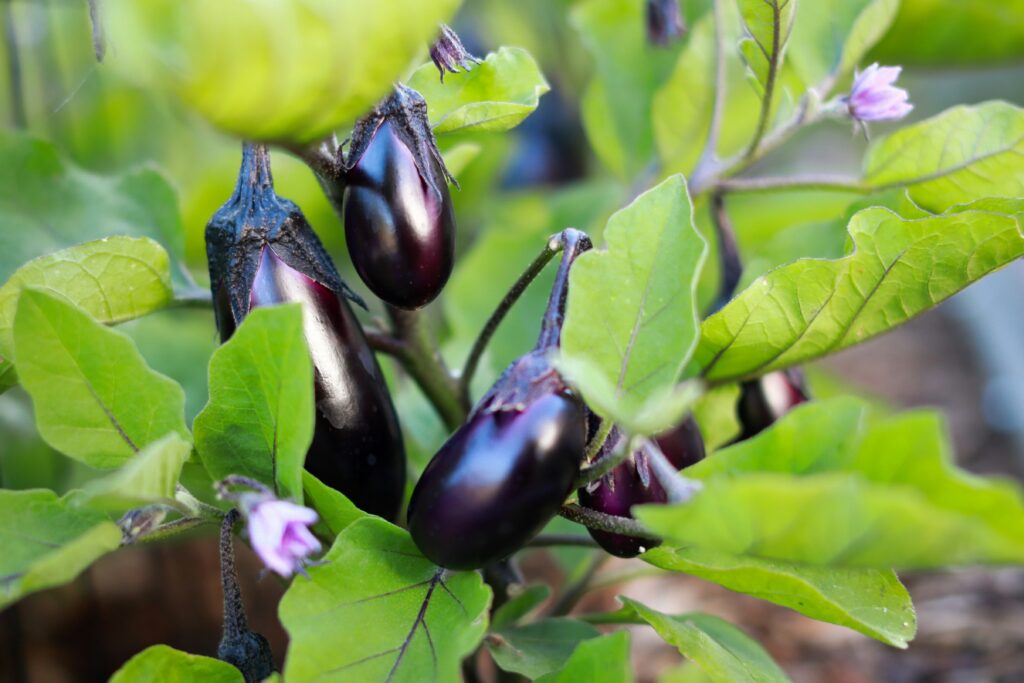
Eggplant is one of the most beautiful and exotic-looking vegetables you can grow in containers. Its glossy, deep purple fruit, attractive purple flowers, and lush tropical foliage make it as ornamental as it is delicious — and it thrives in the warm, sunny conditions that container growing naturally provides.
With the right compact variety and a large enough container, eggplant produces abundantly in pots from midsummer right through to the first frost. Here is everything you need to know to grow eggplant in containers successfully.
Table of Contents
- Best Eggplant Varieties for Containers
- Choosing the Right Container
- Best Soil for Container Eggplant
- How to Plant Eggplant in Containers
- Sunlight Requirements
- How to Water Container Eggplant
- How to Fertilize Eggplant in Containers
- Supporting Container Eggplant
- Common Problems and Solutions
- When and How to Harvest
1. Best Eggplant Varieties for Containers
Compact varieties work best in containers. Full-size eggplant varieties grow very large and produce fewer fruits in pots — compact and dwarf varieties stay manageable while producing abundantly.
| Variety | Fruit Type | Container Size | Notes |
|---|---|---|---|
| Patio Baby | Small, oval, deep purple | 5 gallons | Best container variety — compact, very productive, award-winning |
| Bambino | Tiny, round, dark purple | 5 gallons | Miniature fruits on compact plants — beautiful and productive |
| Hansel | Long, slender, dark purple | 5–7 gallons | Award-winning Asian-style eggplant — very productive |
| Gretel | Long, slender, white | 5–7 gallons | White variety — beautiful, mild flavor, very productive |
| Little Prince | Small, oval, deep purple | 5 gallons | Compact, early producer, excellent flavor |
Best choice for beginners: Patio Baby or Hansel — both are compact, prolific, and specifically suited to container growing.
2. Choosing the Right Container
Eggplant needs a substantial container to produce well — a pot that’s too small restricts root growth and severely limits fruit production.
| Variety Type | Minimum Container | Recommended Container |
|---|---|---|
| Compact varieties (Patio Baby, Bambino) | 5 gallons | 7 gallons |
| Standard compact varieties (Hansel, Gretel) | 5 gallons | 10 gallons |
Best container materials: Dark-colored plastic or fabric grow bags. Dark containers absorb heat from the sun — eggplant, like its relative the pepper, loves warm roots. Fabric grow bags provide excellent drainage and air pruning.
3. Best Soil for Container Eggplant
Eggplant needs rich, well-draining soil that retains enough moisture to support its growth without becoming waterlogged.
Best soil mix for container eggplant:
- 60% high-quality potting mix
- 20% compost (for nutrients and moisture retention)
- 20% perlite (for drainage and aeration)
Eggplant prefers a slightly acidic soil pH of 5.5–6.5. Most quality potting mixes fall within this range naturally.
4. How to Plant Eggplant in Containers
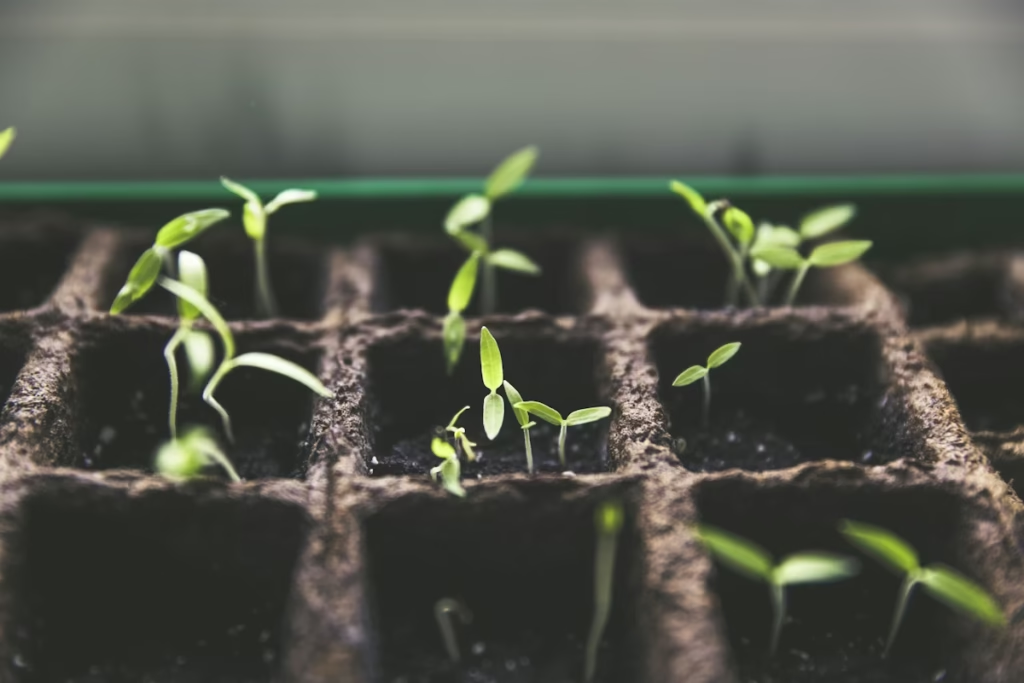
Eggplant is best started from transplants rather than seeds for container growing — it’s a slow grower from seed and needs a long growing season to produce well.
- Wait for warm weather — Don’t plant outside until nighttime temperatures stay consistently above 60°F (15°C). Eggplant is very cold-sensitive.
- Harden off transplants — Gradually introduce nursery plants to outdoor conditions over 7–10 days before planting outside.
- Fill the container with prepared soil mix, leaving 2 inches at the top.
- Plant at the same depth as the transplant was growing in its nursery pot.
- Water thoroughly after planting.
- Place in full sun immediately — eggplant needs maximum light from day one.
5. Sunlight Requirements
Eggplant is a heat and sun-loving plant that needs more direct sunlight than almost any other container vegetable.
| Sunlight | Result |
|---|---|
| 8+ hours direct sun | Excellent — maximum production and flavor |
| 6–8 hours direct sun | Good — acceptable production |
| Less than 6 hours | Poor — very few fruits, poor flavor |
Key tip: Move your eggplant container to follow the sun throughout the day. Eggplant is one of the most sun-hungry container vegetables — every extra hour of sun improves yield and flavor.
6. How to Water Container Eggplant
Consistent watering is critical for eggplant — inconsistent moisture causes bitter fruit and blossom drop.
- Water when the top inch of soil feels dry
- Water deeply until it drains from the bottom
- In hot summer weather, check daily — large eggplant plants may need watering every day
- Mulch the soil surface to slow moisture evaporation
- Water at the base — wet foliage encourages disease
- Never let eggplant wilt from drought — this causes significant stress and fruit quality issues
7. How to Fertilize Eggplant in Containers
| Growth Stage | Best Fertilizer | Frequency |
|---|---|---|
| Early growth (leafy stage) | Balanced fertilizer (10-10-10) | Every 2 weeks |
| Flowering and fruiting stage | High-potassium fertilizer (tomato feed) | Every 1–2 weeks |
Important: Switch from balanced to high-potassium fertilizer once flowers appear. Too much nitrogen at this stage produces lush leafy growth but poor fruit set — the same principle as with tomatoes and peppers.
8. Supporting Container Eggplant
Eggplant branches can snap under the weight of developing fruit — especially compact varieties that produce multiple fruits simultaneously. Support prevents this and keeps the plant productive all season.
- Insert a bamboo stake at planting time — before roots fill the container
- Tie main stems loosely to the stake with soft garden ties as the plant grows
- For plants with multiple heavy fruit clusters, use a small tomato cage instead of a single stake
- Check ties regularly — stems grow fast and ties can cut into them if left too long
9. Common Problems and Solutions
| Problem | Cause | Solution |
|---|---|---|
| Flowers dropping without fruit | Temperature too cold, too hot, or inconsistent watering | Keep temperatures above 60°F (15°C), water consistently, hand pollinate |
| Bitter fruit | Fruit harvested too late or water stress | Harvest young, water consistently |
| Flea beetles (tiny holes in leaves) | Very common pest on eggplant | Cover with row cover early season, apply diatomaceous earth, use sticky traps |
| Spider mites | Common in hot, dry conditions | Spray with neem oil or insecticidal soap, increase humidity |
| Yellow leaves | Nutrient deficiency or overwatering | Check soil moisture, apply balanced fertilizer |
10. When and How to Harvest
Harvesting eggplant at the right time is important — both for flavor and to encourage continued production. Over-mature eggplant becomes seedy and bitter.
Signs eggplant is ready to harvest:
- Skin is glossy and deeply colored — dull skin indicates over-maturity
- Fruit feels firm but gives slightly when pressed
- Has reached the expected size for the variety — don’t wait for maximum size
How to harvest: Use scissors or a sharp knife to cut the stem — never pull or twist. Leave a short stem attached to the fruit. Harvesting regularly encourages the plant to produce more fruit.
Key tip: Harvest eggplant younger rather than older. Young eggplant is sweeter, more tender, and has fewer seeds. If you’re unsure whether it’s ready, it probably is — harvest it!
Final Thoughts
Growing eggplant in containers is one of the most rewarding and visually beautiful container vegetable projects you can take on. The glossy, colorful fruit, attractive purple flowers, and lush tropical foliage make container eggplant as beautiful as it is delicious.
Choose a compact variety, give it maximum sun and warmth, water consistently, and harvest regularly. Do those things well, and your container eggplant will reward you with an abundant harvest of beautiful, flavorful fruit all summer long. 🍆
Have questions about growing eggplant in containers? Visit the Contact page — I’d love to hear from you!
— mumu, Green Garden Tips