By mumu
Lemon balm is one of the most delightful herbs you can grow in a container. Its bright, fresh lemon fragrance fills the air whenever you brush against it, its uses in the kitchen and for herbal teas are endless, and it’s one of the easiest herbs a beginner can grow.
If you’ve never grown lemon balm before, you’re in for a pleasant surprise. This cheerful, productive herb practically grows itself — and once you have it, you’ll wonder how you ever gardened without it. Here is everything you need to know.
Table of Contents
- Best Lemon Balm Varieties for Containers
- Choosing the Right Container
- Best Soil for Container Lemon Balm
- How to Plant Lemon Balm in Containers
- Sunlight Requirements
- How to Water Container Lemon Balm
- How to Fertilize Lemon Balm in Pots
- How to Harvest Lemon Balm
- Best Uses for Lemon Balm
- Common Problems and Solutions
1. Best Lemon Balm Varieties for Containers
| Variety | Appearance | Notes |
|---|---|---|
| Common Lemon Balm (Melissa officinalis) | Bright green, wrinkled leaves | Most widely available — strong lemon scent, very easy to grow |
| Aurea (Golden Lemon Balm) | Green and yellow variegated leaves | Beautiful ornamental variety — slightly less vigorous than common type |
| Quedlinburger Niederliegende | Compact, low-growing | Compact variety — ideal for smaller containers |
Best choice for beginners: Common Lemon Balm — the most widely available, easiest to grow, and most productive variety for containers.
2. Choosing the Right Container
Lemon balm is a vigorous grower that spreads readily — growing it in a container is actually one of the best ways to keep it under control, as it can become invasive in garden beds.
| Detail | Recommendation | Why |
|---|---|---|
| Minimum size | 8–10 inches diameter | Gives roots room to spread without becoming rootbound too quickly |
| Ideal size | 12 inches diameter | More soil means more consistent moisture and longer harvests |
| Best material | Any material with drainage holes | Lemon balm is not fussy about pot material |
| Drainage holes | Always required | Lemon balm doesn’t tolerate waterlogged soil |
Key tip: Give lemon balm its own container — it grows vigorously and will quickly crowd out other herbs if planted together.
3. Best Soil for Container Lemon Balm
Lemon balm is adaptable and grows in a wide range of soil conditions, but it performs best in well-draining, moderately fertile soil.
Best soil mix for container lemon balm:
- 60% high-quality potting mix
- 20% compost (for gentle nutrients)
- 20% perlite (for drainage)
Lemon balm prefers a slightly acidic to neutral soil pH of 6.0–7.5 — it’s one of the most pH-tolerant herbs you can grow, making it very forgiving for beginners.
4. How to Plant Lemon Balm in Containers
From transplants (easiest for beginners):
- Fill the container with prepared soil mix, leaving 2 inches at the top
- Remove the lemon balm from its nursery pot
- Plant at the same depth it was growing before
- Fill around the roots with soil and firm gently
- Water thoroughly after planting
- Place in a bright spot — partial shade is fine
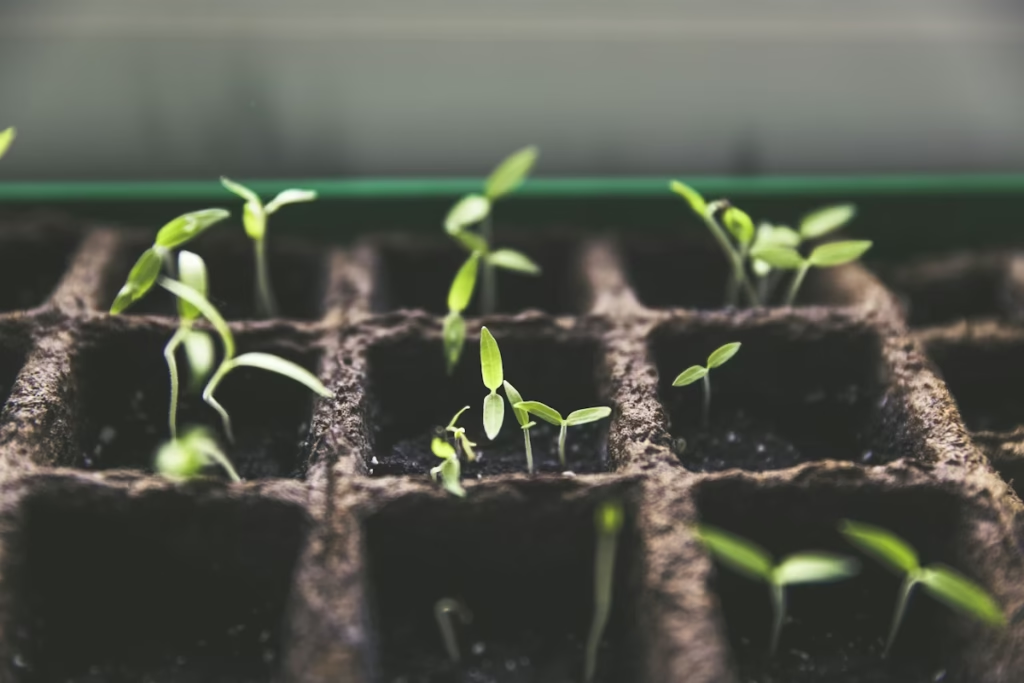
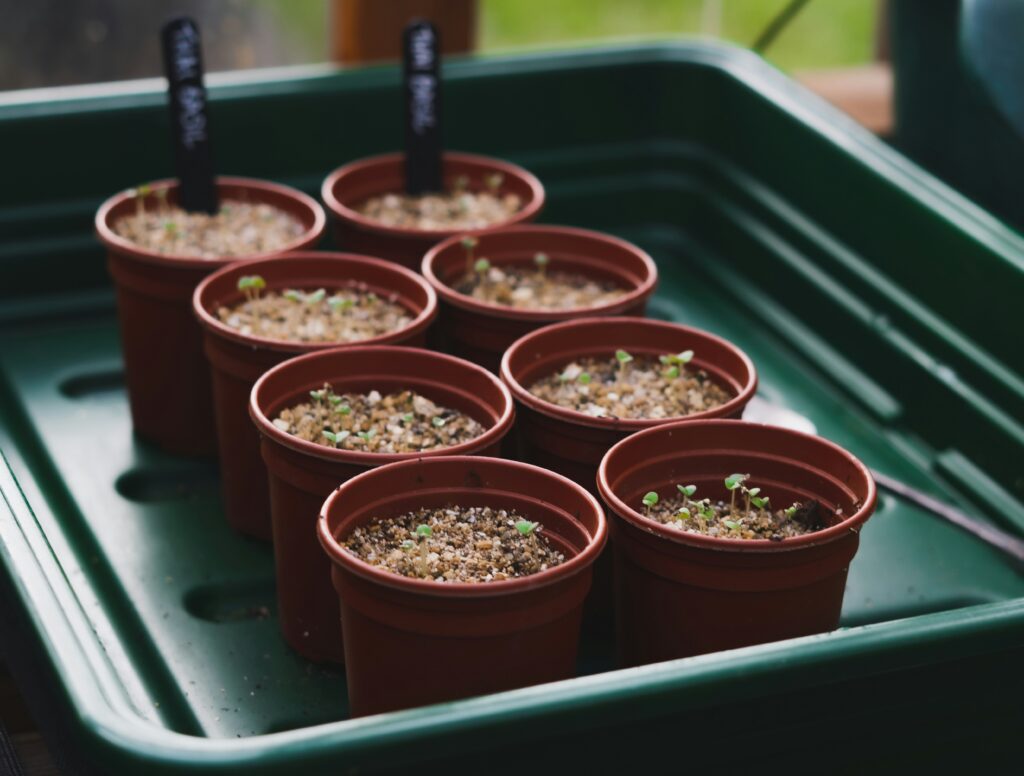
From seed: Lemon balm grows easily from seed but takes longer to establish. Sow seeds on the surface of moist soil — they need light to germinate. Keep moist until germination in 10–14 days.
From division: The easiest and fastest method. Simply divide an existing lemon balm plant, pot up a section in fresh soil, and it will establish quickly.
5. Sunlight Requirements
Lemon balm is one of the most shade-tolerant culinary herbs — making it a great choice for containers in partially shaded spots where other herbs struggle.
| Light Condition | Result |
|---|---|
| Full sun (6+ hours) | Fast growth — tends to bolt to flower more quickly |
| Partial sun (4–6 hours) | Ideal — good growth, slower to bolt, strong lemon scent |
| Partial shade (2–4 hours) | Good — slower growth but still productive and fragrant |
Key tip: Lemon balm actually develops a stronger fragrance in partial shade compared to full sun. It’s one of the few herbs that benefits from a little shade during the hottest part of the day.
6. How to Water Container Lemon Balm
- Keep soil consistently moist but not waterlogged
- Water when the top inch of soil feels dry
- Lemon balm tolerates brief dry periods better than many herbs
- In hot weather, check every 1–2 days
- Reduce watering in cooler weather and winter
- Water at the base — wet foliage can encourage fungal issues
7. How to Fertilize Lemon Balm in Pots
Lemon balm is a light feeder that needs minimal fertilizing. Over-fertilizing — especially with nitrogen — produces lush growth but can reduce the essential oils responsible for its fragrance and flavor.
| Detail | Recommendation |
|---|---|
| Best fertilizer | Balanced liquid fertilizer at half strength |
| Frequency | Every 4–6 weeks during the growing season |
| When to stop | Stop fertilizing in fall when growth slows |
8. How to Harvest Lemon Balm
- Begin harvesting once the plant is at least 6–8 inches tall
- Cut stems just above a leaf pair — the plant will branch from this point
- Harvest up to one-third of the plant at a time
- Harvest in the morning when essential oil concentration is highest
- Pinch off flower buds as soon as they appear — flowering reduces leaf quality and flavor
- For the most intense lemon fragrance, harvest just before the plant begins to flower
Storing lemon balm:
- Fresh — Wrap loosely in a damp paper towel and refrigerate for up to a week
- Dried — Hang bundles upside down in a warm, airy spot for 1–2 weeks. Dried lemon balm keeps for up to a year.
- Frozen — Blend with water and freeze in ice cube trays for easy use in teas and cooking
9. Best Uses for Lemon Balm
| Use | How to Use It |
|---|---|
| Herbal tea | Steep fresh or dried leaves in hot water for 5–10 minutes — calming, delicious tea |
| Cooking | Use fresh leaves in salads, fish dishes, soups, and sauces — pairs beautifully with seafood |
| Desserts | Add to lemon desserts, ice cream, and fruit salads for a fresh herbal note |
| Drinks | Add to lemonade, cocktails, and sparkling water for a refreshing twist |
| Aromatherapy | Rub fresh leaves between fingers for an instant mood-lifting lemon fragrance |
10. Common Problems and Solutions
| Problem | Cause | Solution |
|---|---|---|
| Bolting (flowering early) | Heat, drought stress, or long days | Move to partial shade, water consistently, pinch flower buds immediately |
| Powdery mildew | Poor air circulation or dry conditions | Improve air circulation, water more consistently, remove affected leaves |
| Leggy growth | Insufficient light or not harvested regularly | Move to brighter spot, harvest regularly to encourage bushy growth |
| Weak lemon scent | Over-fertilized or over-watered | Reduce fertilizing and watering — stressed plants often have stronger scent |
| Root rot | Overwatering or poor drainage | Repot in fresh dry soil, improve drainage, water less frequently |
Final Thoughts
Lemon balm is one of the most underrated herbs for container gardening. It’s easy to grow, incredibly versatile in the kitchen, and its cheerful lemon fragrance brings a sense of freshness and calm to any outdoor space.
Plant it in a container of its own, give it moderate sun and water, harvest regularly, and enjoy fresh lemon balm leaves for teas, cooking, and pure aromatic pleasure all season long. 🌿
Have questions about growing lemon balm in containers? Visit the Contact page — I’d love to hear from you!
— mumu, Green Garden Tips