By mumu
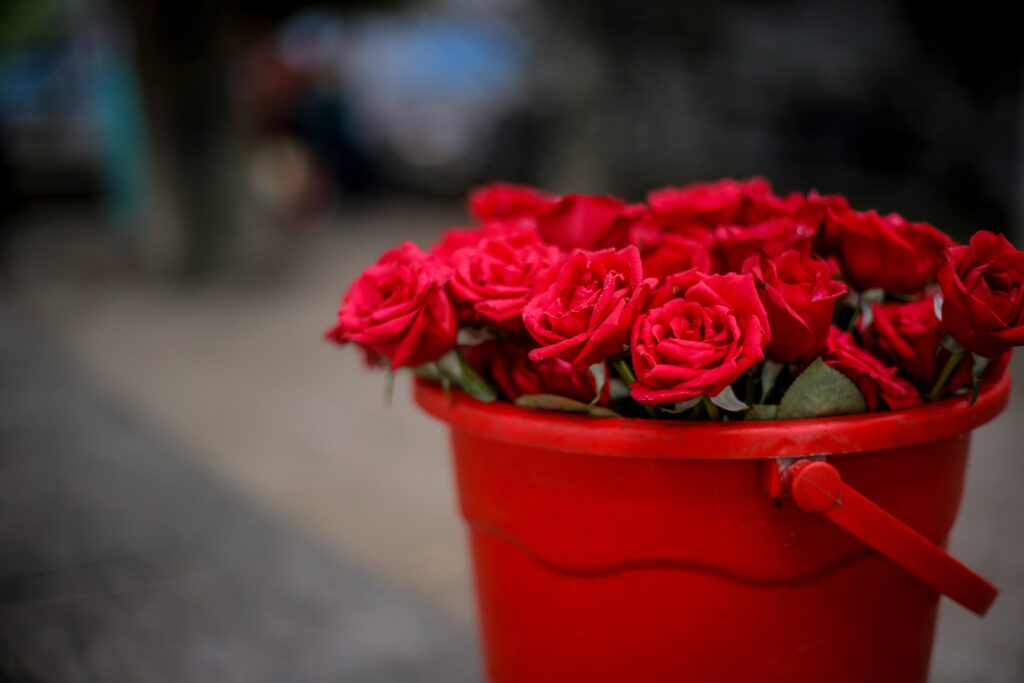
Roses in containers are one of the most beautiful and rewarding things you can grow on a patio, balcony, or doorstep. The idea that roses need a large garden bed is a myth — many rose varieties are specifically bred for container growing and will reward you with months of fragrant, colorful blooms in even the smallest outdoor space.
Growing roses in pots requires a little more attention than some other container plants, but the stunning results make every bit of care worthwhile. Here is everything you need to know.
Table of Contents
- Best Rose Varieties for Pots
- Choosing the Right Container
- Best Soil for Container Roses
- How to Plant Roses in Containers
- Sunlight Requirements
- How to Water Container Roses
- How to Fertilize Roses in Pots
- How to Prune Container Roses
- Common Problems and Solutions
- Overwintering Container Roses
1. Best Rose Varieties for Pots
Choosing the right rose variety is the most important decision when growing roses in containers. Compact patio and miniature roses perform far better in pots than large hybrid tea or climbing roses.
| Type | Height | Container Size | Notes |
|---|---|---|---|
| Patio roses | 18–24 inches | 10–15 gallons | Specifically bred for containers — most popular choice |
| Miniature roses | 12–18 inches | 5–7 gallons | Very compact — perfect for small containers and windowsills |
| Dwarf floribunda roses | 24–30 inches | 15–20 gallons | Clusters of blooms — very showy in large containers |
| Ground cover roses | 12–18 inches | 10–15 gallons | Spreading habit — beautiful trailing over large containers |
Best varieties for beginners: The Knock Out rose series and many patio roses are disease-resistant, repeat-flowering, and much easier to care for than traditional hybrid tea roses.
2. Choosing the Right Container
Roses need substantial containers — their root systems are extensive and they need room to develop properly.
| Rose Size | Minimum Container | Recommended Container |
|---|---|---|
| Miniature roses | 5 gallons | 7 gallons |
| Patio roses | 10 gallons | 15 gallons |
| Dwarf floribunda roses | 15 gallons | 20 gallons |
Key tips for rose containers:
- Always use containers with drainage holes — roses are very sensitive to waterlogged roots
- Choose containers at least 18 inches deep — roses have long root systems
- Dark-colored containers absorb more heat — use light-colored containers in very hot climates to prevent root overheating
- Larger containers are more forgiving — they hold more water and dry out more slowly
3. Best Soil for Container Roses
Roses need rich, well-draining soil. They’re heavy feeders that benefit from nutrient-dense soil from the start.
Best soil mix for container roses:
- 60% high-quality potting mix
- 20% compost (roses love rich, organic soil)
- 20% perlite (for drainage)
Roses prefer a slightly acidic soil pH of 6.0–6.5. If using a neutral potting mix, add a small amount of sulfur or use an acidic potting mix to bring the pH down slightly.
4. How to Plant Roses in Containers
- Fill the container with prepared soil mix, leaving 3 inches at the top
- Remove the rose from its nursery pot and gently loosen any circling roots
- Position correctly — The bud union (the bulge where the rose was grafted onto the rootstock) should sit just at or slightly above soil level
- Fill around the roots with soil, pressing gently to eliminate air pockets
- Water thoroughly after planting
- Place in full sun immediately
Best time to plant: Early spring when roses are still dormant, or early fall. Both allow roots to establish before the main growing season.
5. Sunlight Requirements
| Sunlight | Result |
|---|---|
| 6+ hours direct sun | Ideal — maximum flowers, best disease resistance |
| 4–6 hours direct sun | Acceptable — fewer flowers, slightly more disease prone |
| Less than 4 hours | Poor — very few flowers, high disease risk |
Key tip: Good air circulation is as important as sunlight for roses. Avoid placing rose containers in corners where air stagnates — good airflow reduces disease significantly.
6. How to Water Container Roses
Consistent watering is critical for container roses. Both overwatering and underwatering cause problems — and roses in containers dry out faster than in-ground roses.
- Water when the top inch of soil feels dry
- Water deeply until it drains from the bottom
- In hot summer weather, check daily — may need watering every day
- Always water at the base — wet foliage dramatically increases disease risk
- Water in the morning — allows any accidentally wet foliage to dry before nightfall
- Never let roses wilt from drought — this causes significant stress and flower loss
7. How to Fertilize Roses in Pots
Roses are among the heaviest feeders of all container plants. Regular fertilizing throughout the growing season is essential for continuous blooming.
| Timing | Fertilizer | Frequency |
|---|---|---|
| Early spring (before growth starts) | Slow-release rose fertilizer | Once at the start of season |
| Spring through summer (growing season) | Liquid rose fertilizer or high-potassium liquid fertilizer | Every 1–2 weeks |
| After each flush of flowers | Liquid rose fertilizer | After deadheading to encourage next flush |
| Late summer/fall | Stop or reduce feeding | Allow plant to prepare for dormancy |
8. How to Prune Container Roses
Pruning encourages more flowers and keeps container roses compact and healthy.
Deadheading (throughout the season):
- Remove spent flowers as soon as they fade
- Cut the stem back to the first set of 5 leaflets below the spent flower
- This encourages the plant to produce the next flush of blooms
- Some modern rose varieties are self-cleaning — they drop spent petals automatically without deadheading
Annual pruning (early spring):
- Prune when forsythia blooms in your area — a reliable indicator of the right timing
- Remove any dead, damaged, or crossing stems first
- Cut remaining stems back by one-third to one-half
- Cut just above an outward-facing bud at a 45-degree angle
9. Common Problems and Solutions
| Problem | Cause | Solution |
|---|---|---|
| Black spot on leaves | Fungal disease — most common rose problem | Remove affected leaves, improve air circulation, apply fungicide, water at base only |
| Powdery mildew | Fungal disease from poor air circulation | Improve air circulation, apply baking soda spray or fungicide |
| Aphids on new growth | Very common on roses | Spray with water or insecticidal soap |
| No flowers | Insufficient sun, wrong fertilizer, or needs pruning | Move to sunnier spot, use high-potassium fertilizer, deadhead regularly |
| Yellow leaves | Overwatering, nutrient deficiency, or black spot | Check soil moisture, fertilize, treat for disease |
10. Overwintering Container Roses
Container roses are more vulnerable to cold damage than in-ground roses because their roots are exposed to freezing temperatures through the pot walls.
- Hardy patio roses — Can stay outdoors in most climates. Move to a sheltered spot and wrap the container with burlap or bubble wrap for insulation.
- Miniature roses — More cold-sensitive — move to an unheated garage or shed in harsh winters
- All container roses — Reduce watering significantly in winter. Check soil monthly and water only if completely dry.
- In spring — Move back to full sun position, begin fertilizing, and prune before new growth starts
Final Thoughts
Growing roses in containers is one of the most rewarding investments you can make in your container garden. A well-chosen, well-cared-for patio rose will reward you with month after month of beautiful, fragrant blooms — from late spring through the first frost.
Choose a compact, disease-resistant variety, give it the largest container you can manage, feed it regularly, and deadhead consistently. Do those things well, and your container rose will be the pride of your patio. 🌹
Have questions about growing roses in containers? Visit the Contact page — I’d love to hear from you!
— mumu, Green Garden Tips