By mumu
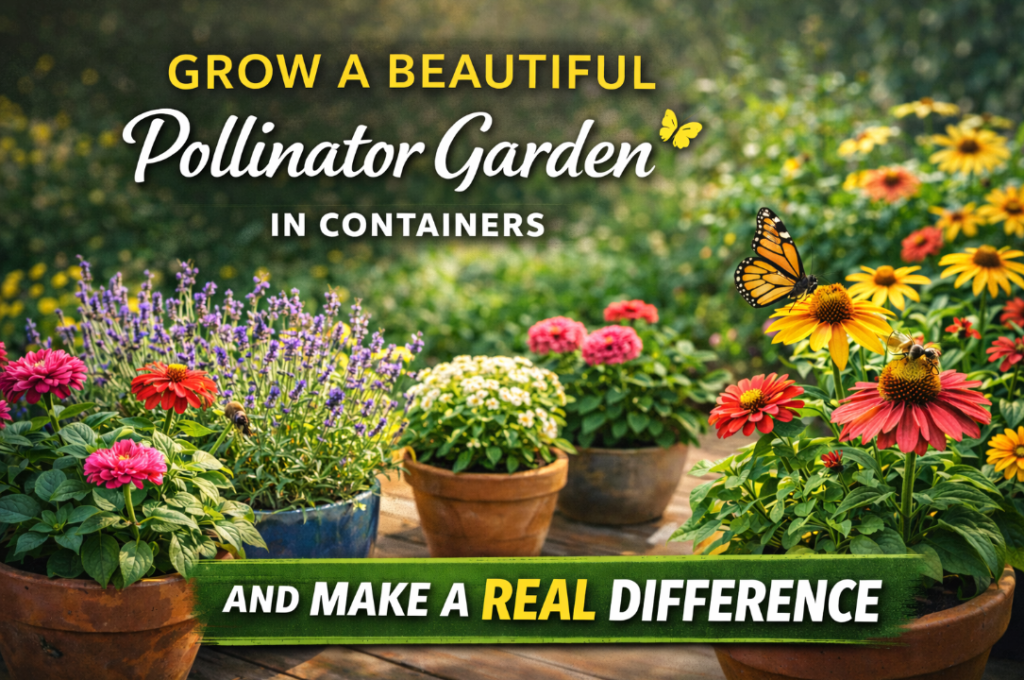
Pollinators — bees, butterflies, hoverflies, moths, and other insects — are under pressure from habitat loss, pesticide use, and the replacement of flowering plants with paved surfaces and lawns. Container gardens might seem too small to make a difference, but they genuinely can. A well-chosen collection of pollinator-friendly container plants provides food and habitat in urban and suburban spaces where natural habitat has largely disappeared.
Here’s how to grow a container garden that actively supports pollinators — and looks beautiful doing it.
What Pollinators Actually Need
Different pollinators have different preferences, but most are looking for the same basic things:
- Nectar — the primary food source for adult bees, butterflies, and hoverflies
- Pollen — essential protein source, especially for bees raising young
- A succession of flowers — pollinators need food from early spring through late fall, not just for one peak season
- Single flowers over double flowers — double flowers (roses with many petals, for example) look spectacular but often have reduced or inaccessible nectar and pollen. Single flowers are much more useful to pollinators.
- No pesticides — even “bee-friendly” pesticides can harm pollinators. A pollinator garden needs to be pesticide-free.
Best Pollinator Plants for Containers
Lavender is one of the most reliable pollinator plants available and one of the easiest to grow in containers. Its fragrant purple flower spikes attract bees in extraordinary numbers — on a warm summer day, a flowering lavender container hums with activity. It’s also drought-tolerant, long-flowering, and low maintenance.
Borage is a somewhat overlooked annual that produces star-shaped blue flowers almost continuously from early summer through fall. Bees are particularly fond of it — borage is one of the few plants where you can reliably watch multiple bee species feeding simultaneously. It grows easily from seed directly in containers and self-seeds prolifically.
Phacelia is often described as one of the most bee-attractive plants you can grow. Its clusters of blue-purple flowers are rich in nectar and extremely easy to grow from seed. Fast-growing and not commonly sold as a pot plant, but absolutely worth growing from seed in containers.
Echinacea (coneflower) — dwarf varieties grow well in containers and provide nectar for butterflies and bees through midsummer and fall, followed by seed heads that attract birds through winter. A genuinely multi-season pollinator plant.
Salvia — particularly varieties like Salvia nemorosa and compact annual salvias — produces masses of small tubular flowers in purple, blue, and pink that are irresistible to bees and some butterfly species. Very easy to grow in containers and flowers for months.
Alliums (ornamental onions) flower in late spring and early summer, providing a critical nectar source at a time when many summer flowers haven’t yet opened. Their globe-shaped flower heads are covered in tiny individual flowers that bees work methodically and thoroughly.
Planning for Succession
One of the most impactful things you can do for pollinators is ensure your containers offer flowers across the entire season — not just a summer peak followed by nothing.
| Season | Best Container Pollinator Plants |
|---|---|
| Early spring | Hellebores, crocus (in bulb containers), winter heather, pulmonaria |
| Late spring | Alliums, wallflowers, forget-me-nots, chives (let them flower) |
| Summer | Lavender, borage, phacelia, salvia, echinacea, verbena, zinnias |
| Fall | Asters, sedums, late-flowering salvias, ivy (in flower), rudbeckia |
Practical Tips for a Pollinator Container Garden
- Grow single flowers, not double. Double flowers are beautiful but often useless to pollinators. Choose single-flowered varieties wherever possible.
- Let herbs flower. Chives, thyme, oregano, borage, and fennel in flower are all excellent pollinator plants. Don’t always rush to deadhead herbs — let some go to flower.
- Avoid pesticides completely. This is non-negotiable for a genuine pollinator garden. Find alternative solutions for pests — hand-picking, water sprays, physical barriers.
- Position in sun. Most pollinator plants need full sun, and most pollinators are most active in warm, sunny conditions.
- Include water. A shallow dish of water with pebbles provides drinking and bathing water for bees and other insects. Change the water every few days to prevent mosquito breeding.
Final Thoughts
A container pollinator garden is small but not insignificant. Urban and suburban container gardens collectively provide an important network of food sources for pollinators in landscapes where natural habitat is scarce. Every flowering container on a balcony or patio that’s managed without pesticides contributes to that network.
Choose plants pollinators actually use, provide flowers across the whole season, and keep it pesticide-free. Your containers will be more beautiful for it — and genuinely useful to the wildlife that needs them. 🌸
Questions about growing a pollinator garden in containers? Visit the Contact page!
— mumu, Green Garden Tips