By mumu
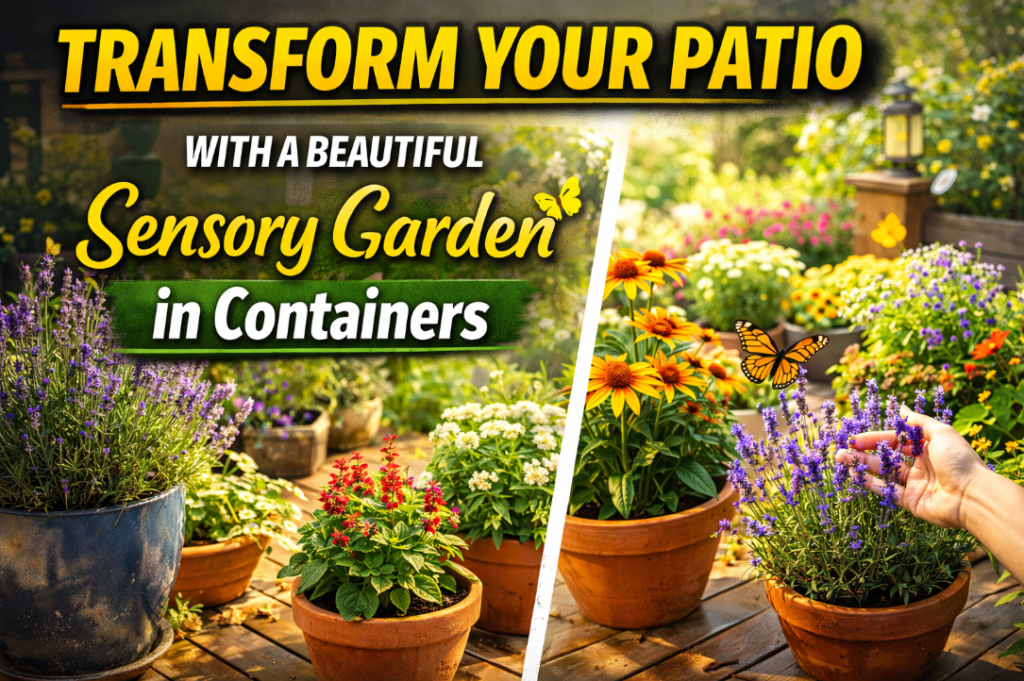
Most gardens are designed primarily for the eyes — beautiful colors, attractive shapes, pleasing arrangements. A sensory garden goes further than that. It’s designed to engage all five senses: not just what you see, but what you smell, what you touch, what you hear in the breeze, and what you taste.
Container sensory gardens are particularly wonderful for small spaces, for children, for people with limited mobility, and for anyone who wants their outdoor space to be a genuinely immersive experience rather than just a visual one. Here’s how to create one.
Designing for Sight
Visual interest is the starting point for most garden design, and a sensory container garden should be deliberately varied in color, texture, and form.
- Color contrast — combine bold, saturated colors with softer ones. Deep purple lavender against bright yellow rudbeckia, silver dusty miller against burgundy heuchera.
- Texture contrast — mix fine-textured plants (feathery fennel, delicate ferns) with bold, structural ones (hostas, ornamental grasses, large-leaved dahlias)
- Movement — include plants that move in the breeze: grasses, cosmos, tall salvias. Movement adds a dynamic quality that static plants can’t provide.
- Seasonal change — plan for visual interest across all seasons, not just summer
Designing for Smell
Fragrance is one of the most evocative sensory experiences in a garden — and containers placed near seating areas, doorways, or windows maximize the benefit of fragrant plants.
The best fragrant container plants:
- Lavender — classic, calming fragrance. Strongest on warm days when the sun releases the essential oils.
- Scented geraniums — extraordinary range of fragrances: rose, lemon, mint, nutmeg, chocolate. The fragrance is released by touching the leaves.
- Jasmine — intensely sweet fragrance, strongest in the evening. Train up a trellis in a large container near a seating area.
- Basil — wonderful savory fragrance released when leaves are brushed. Edible too.
- Roses (fragrant varieties) — compact patio roses with genuine fragrance. Look specifically for varieties described as fragrant — many modern roses have little scent.
- Sweet alyssum — honey-like fragrance from tiny white or purple flowers. Trails beautifully over container edges.
Designing for Touch
Touch is an underused sense in garden design, and plants with interesting textures invite interaction in a way that purely visual plants don’t.
- Lamb’s ear (Stachys byzantina) — famously soft, velvety silver leaves that children (and adults) find irresistible to stroke
- Ornamental grasses — the smooth, flowing texture of grass blades invites running fingers through them
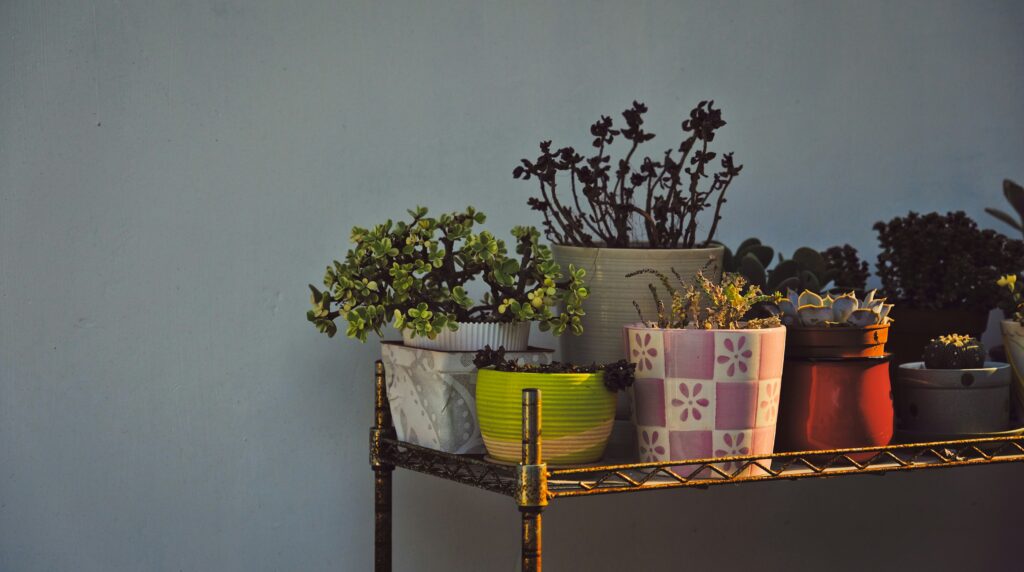
- Succulents — smooth, waxy, architectural surfaces with interesting geometric forms
- Fennel and dill — feathery, soft, fine-textured fronds that feel delicate and light
- Moss — soft, dense, and deeply satisfying to touch — a patch of moss in a container sensory garden is irresistible
Note: avoid plants with thorns, sharp edges, or irritating sap in a sensory garden designed for children.
Designing for Sound
Sound in the garden is often overlooked but profoundly affecting. The right plants create gentle, soothing sounds in even a light breeze.
- Ornamental grasses — the rustle of grass in wind is one of the most calming garden sounds available. Even a single large container grass creates gentle movement and sound.
- Bamboo — the clicking and rustling of bamboo in a breeze is distinctive and deeply soothing. Always grow bamboo in containers to prevent spreading.
- Tall perennials with seed heads — dried echinacea, allium, and grass seed heads rattle gently in wind
- Wind chimes near containers — not a plant, but a wind chime placed among containers adds a musical element that complements plant sounds
Pollinator-attracting plants also bring the sound of bees — the gentle hum of bees working a lavender or borage container on a warm day is one of the most satisfying garden sounds there is.
Designing for Taste
Edible plants make a sensory garden interactive in the most direct way possible — you can eat what you grow. For a sensory garden, focus on plants where the experience of tasting is pleasurable and immediate.
- Cherry tomatoes — warm, sweet, straight from the vine is one of summer’s great sensory pleasures
- Strawberries — the taste of a sun-warmed strawberry picked directly from the plant has no equal
- Fresh herbs — pinching a leaf of basil, mint, or lemon balm and tasting it connects you directly to the plant
- Edible flowers — nasturtiums (peppery), borage (cucumber-like), and violas (mild) add unexpected flavor and look beautiful in salads
- Peas — peas eaten straight from the pod when just-ripe are completely different from anything from a shop
Bringing It All Together
A sensory container garden doesn’t need to be elaborate. A curated collection of 6–10 containers, each chosen with sensory experience in mind, creates a space that engages all five senses and feels genuinely alive and immersive.
Position fragrant plants near seating. Place touchable plants at the edges where they’re easy to reach. Include grasses or bamboo for sound. Make sure there’s something edible. And design the visual elements thoughtfully.
The result is a garden that’s experienced fully — not just seen from a distance. 🌿
Questions about creating a sensory garden in containers? Visit the Contact page!
— mumu, Green Garden Tips