By mumu
Growing tomatoes in containers is one of the most rewarding things you can do as a beginner container gardener. There is nothing quite like stepping onto your balcony or patio and picking a ripe, juicy tomato that you grew yourself — in a pot.
Yes, you can grow tomatoes in containers. And yes, they can produce just as well as tomatoes grown in the ground — if you set them up correctly.
I’ve been growing tomatoes in containers for several years now, and I’ve made every mistake in the book. Too-small pots, wrong varieties, inconsistent watering — I’ve done it all. But I’ve also had seasons where my container tomatoes produced more than I could eat.
Here is everything you need to know to grow tomatoes in containers successfully, even if you’re a complete beginner.
Table of Contents
- Choose the Right Tomato Variety for Containers
- Choose the Right Pot Size
- Use the Right Soil for Container Tomatoes
- How Much Sunlight Do Container Tomatoes Need?
- How to Plant Tomatoes in Containers
- How to Water Container Tomatoes Correctly
- How to Fertilize Tomatoes in Containers
- Supporting Your Tomato Plants
- Common Problems When Growing Tomatoes in Containers
- When and How to Harvest Container Tomatoes
1. Choose the Right Tomato Variety for Containers
This is the most important decision you’ll make when growing tomatoes in containers. Not all tomato varieties are suited for pot growing — some grow into massive plants that need far more space than any container can provide.
When choosing tomatoes for containers, look for varieties labeled “determinate” or “compact.” Determinate tomatoes grow to a fixed size, produce fruit all at once, and stop growing. They are ideal for containers because they stay manageable.
Best tomato varieties for container gardening:
| Variety | Type | Container Size Needed | Notes |
|---|---|---|---|
| Cherry tomatoes | Determinate / Indeterminate | 5–10 gallons | Most productive in containers |
| Patio tomatoes | Determinate | 5 gallons | Bred specifically for containers |
| Tumbling Tom | Determinate | Hanging basket | Great for hanging baskets |
| Bush Early Girl | Determinate | 10 gallons | Full-sized tomatoes on compact plant |
| Balcony tomatoes | Determinate | 5 gallons | Perfect for small spaces |
Avoid large indeterminate varieties like beefsteak or most heirloom tomatoes unless you have very large containers (15+ gallons) and strong support structures.
2. Choose the Right Pot Size for Container Tomatoes
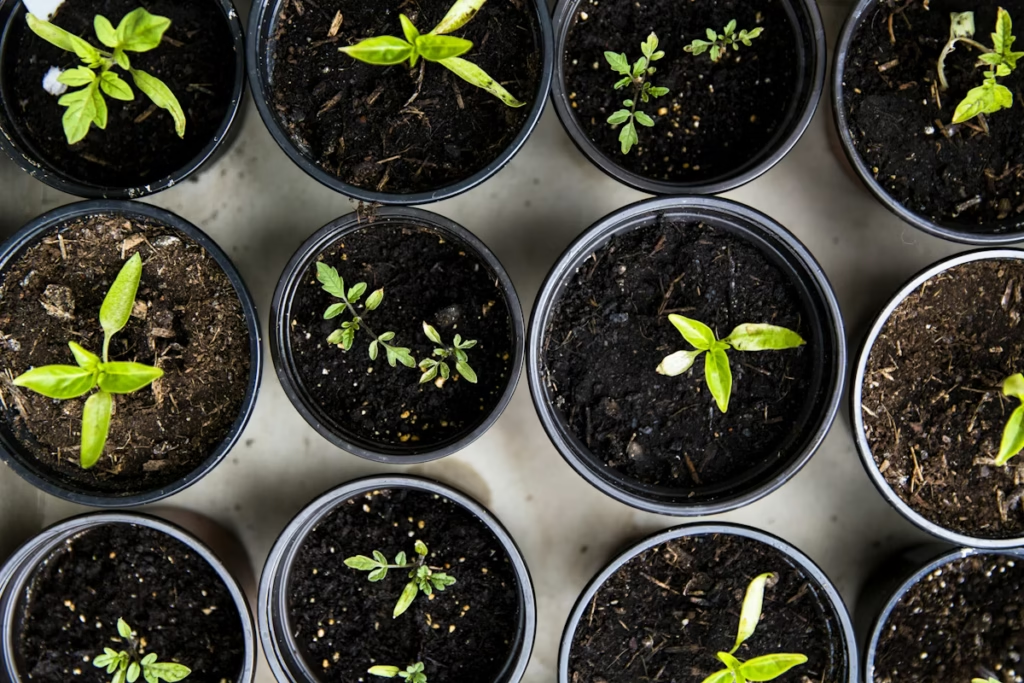
One of the biggest mistakes beginners make when growing tomatoes in containers is using a pot that is too small. Tomatoes have large, deep root systems that need plenty of space to grow.
As a general rule, use the largest container you can manage. Here are the minimum sizes for growing tomatoes in containers:
| Tomato Type | Minimum Pot Size | Ideal Pot Size |
|---|---|---|
| Cherry tomatoes | 5 gallons (19 liters) | 10 gallons (38 liters) |
| Compact / patio varieties | 5 gallons (19 liters) | 7–10 gallons |
| Medium varieties | 10 gallons (38 liters) | 15 gallons (57 liters) |
| Large varieties | 15 gallons (57 liters) | 20+ gallons |
A larger pot holds more soil, which means more consistent moisture and nutrients — and less work for you. If you’re serious about growing tomatoes in containers, a 10-gallon fabric grow bag is one of the best investments you can make.
3. Use the Right Soil for Container Tomatoes
Never use garden soil or regular topsoil when growing tomatoes in containers. These soils compact quickly in pots, prevent proper drainage, and often introduce pests and disease.
For container tomatoes, use a high-quality potting mix enriched with compost. Tomatoes are heavy feeders, and they need nutrient-rich soil from the very beginning.
Ideal soil mix for container tomatoes:
- High-quality potting mix (the base)
- 20–30% compost mixed in for extra nutrition
- A handful of slow-release fertilizer at planting time
- Optional: a small amount of extra perlite for drainage
Fill your container to within 2 inches of the top, leaving room to water without overflow.
4. How Much Sunlight Do Container Tomatoes Need?
Tomatoes are sun-loving plants. When growing tomatoes in containers, place them in a spot that receives at least 6–8 hours of direct sunlight per day. More sun means more fruit.
One of the great advantages of growing tomatoes in containers is the ability to move them to follow the sun. If your balcony or patio gets partial shade, you can shift your containers throughout the day to maximize sun exposure.
Tips for maximizing sunlight for container tomatoes:
- Place containers against a south-facing or west-facing wall
- Use light-colored containers to reflect heat away from roots in summer
- Avoid placing containers under overhanging roofs or awnings that block sunlight
- Move containers to follow the sun if needed
5. How to Plant Tomatoes in Containers
Planting tomatoes in containers correctly gives them the best possible start. Follow these steps for success:
- Fill your container with potting mix to about 2 inches from the top
- Dig a hole deep enough so that two-thirds of the tomato stem will be buried
- Remove lower leaves from the stem that will be underground — roots will grow from the buried stem
- Place the tomato seedling in the hole and fill in around it firmly
- Water thoroughly immediately after planting
- Insert a support stake at planting time to avoid disturbing roots later
Burying the tomato stem deep is one of the best tips for growing tomatoes in containers. The buried portion of the stem develops into roots, giving the plant a much stronger foundation.
6. How to Water Container Tomatoes Correctly
Watering is the most critical part of growing tomatoes in containers. Container tomatoes dry out much faster than in-ground tomatoes, and inconsistent watering is the number one cause of problems like blossom end rot and cracked fruit.
How often to water container tomatoes:
- Check soil moisture daily by sticking your finger 1 inch into the soil
- Water when the top inch of soil feels dry
- In hot summer weather, container tomatoes may need watering once or twice a day
- Water deeply each time — until water flows freely from the drainage holes
Watering tips for container tomatoes:
- Water at the base of the plant, not on the leaves
- Water in the morning to allow foliage to dry during the day
- Use a saucer under the pot but empty it after 30 minutes
- Consider a drip irrigation system or self-watering container for consistent moisture
7. How to Fertilize Tomatoes in Containers
Tomatoes are heavy feeders, and growing tomatoes in containers means nutrients wash out of the soil every time you water. Regular fertilizing is essential.
| Growth Stage | Fertilizer Type | Frequency |
|---|---|---|
| Seedling to first flowers | Balanced fertilizer (e.g. 10-10-10) | Every 2 weeks |
| Flowering and fruiting | High-potassium fertilizer (tomato feed) | Every 1–2 weeks |
Switch to a high-potassium tomato fertilizer once flowers appear. Potassium promotes fruit development and improves flavor. Look for fertilizers labeled specifically for tomatoes — these are formulated with the right balance of nutrients for fruiting plants.
8. Supporting Your Container Tomato Plants
Most tomato varieties need support as they grow. Without support, stems can break under the weight of the fruit, especially when growing tomatoes in containers where the plant may be exposed to wind.
Support options for container tomatoes:
- Bamboo stake — Simple and effective. Insert at planting time and tie stems loosely as the plant grows.
- Tomato cage — Place over the container at planting time. Works well for compact varieties.
- Trellis — Lean against a wall behind the container. Good for indeterminate varieties.
Always insert your support structure at planting time to avoid disturbing the root system later.
9. Common Problems When Growing Tomatoes in Containers
| Problem | Cause | Solution |
|---|---|---|
| Blossom end rot | Inconsistent watering, calcium deficiency | Water consistently, add calcium fertilizer |
| Cracked fruit | Irregular watering — dry then wet | Water consistently every day |
| Yellow leaves | Nutrient deficiency or overwatering | Fertilize regularly, check drainage |
| No fruit setting | Too little sun, too hot, or poor pollination | Move to sunnier spot, shake flowers gently |
| Wilting despite watering | Root bound or root rot | Check roots, repot if needed |
10. When and How to Harvest Container Tomatoes
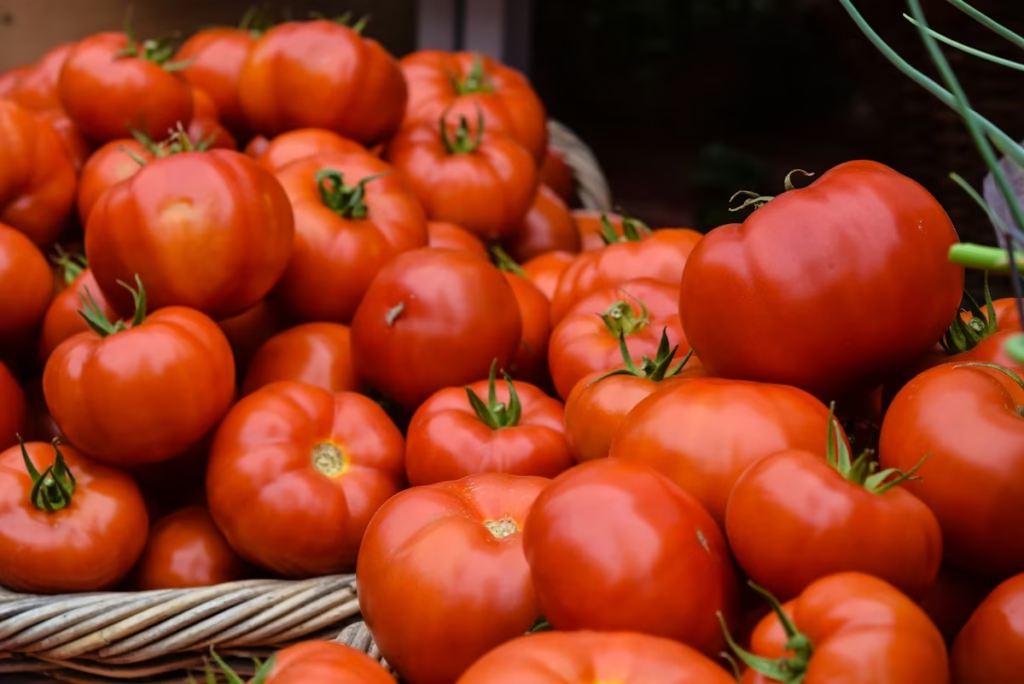
Knowing when to harvest is the final step in successfully growing tomatoes in containers. Harvest too early and the flavor won’t be fully developed. Leave them too long and they may crack or attract pests.
Signs your container tomatoes are ready to harvest:
- Fruit has reached its full color (red, yellow, orange — depending on variety)
- Tomato feels slightly soft when gently squeezed
- Fruit comes away from the stem easily with a gentle twist
- Skin looks glossy and smooth
If frost is approaching and you still have green tomatoes on the plant, pick them and bring them indoors to ripen at room temperature. Never refrigerate unripe tomatoes — cold temperatures destroy their flavor.
Final Thoughts
Growing tomatoes in containers is absolutely achievable for beginners — and incredibly rewarding. Choose a compact variety, use a large container with rich soil, water consistently, fertilize regularly, and give your plants plenty of sun.
Your first container tomato harvest will make every bit of effort worth it. There is truly nothing better than a tomato you grew yourself. 🍅
Have questions about growing tomatoes in containers? Visit the Contact page — I’d love to hear from you!
— mumu, Green Garden Tips