By mumu
Microgreens are one of the most exciting and rewarding things you can grow at home — and one of the fastest. From seed to harvest in just 7–14 days, microgreens deliver an incredible concentration of flavor, nutrition, and freshness in a tiny package.
The best part? You don’t need outdoor space, special equipment, or gardening experience. A shallow tray, a bag of seeds, some potting mix, and a sunny windowsill or grow light is all you need to produce fresh, vibrant microgreens year round. Here is everything you need to know.
Table of Contents
- What Are Microgreens?
- Best Microgreen Varieties to Grow
- What You Need to Grow Microgreens
- Best Growing Medium for Microgreens
- How to Plant Microgreens Step by Step
- Light Requirements for Microgreens
- How to Water Microgreens
- When and How to Harvest Microgreens
- Succession Growing for Continuous Harvest
- Top Tips for Growing Microgreens at Home
1. What Are Microgreens?
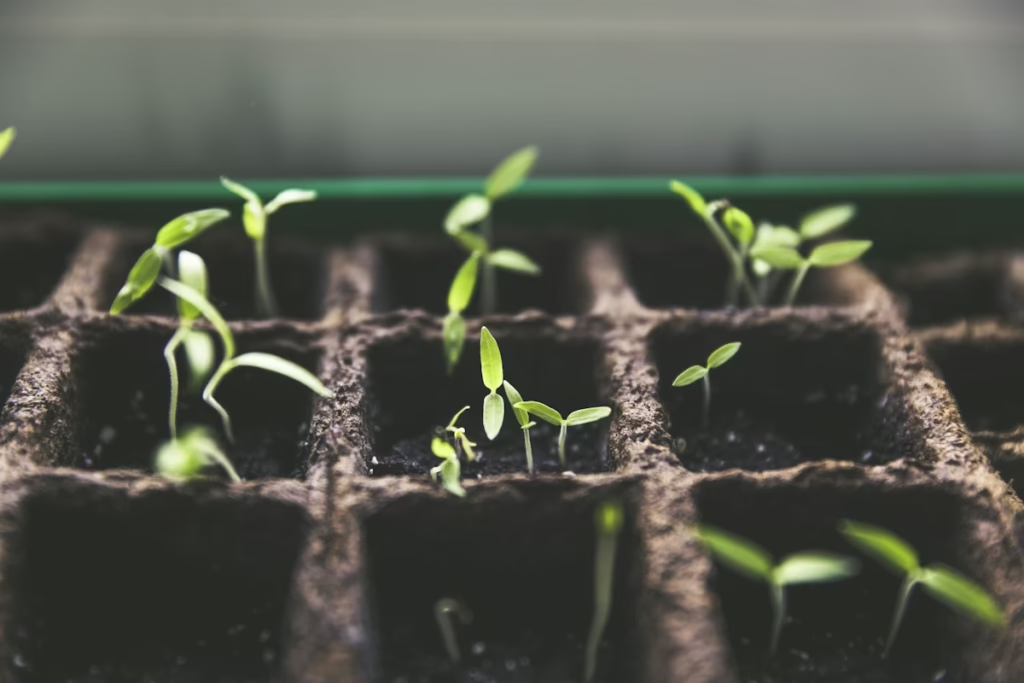
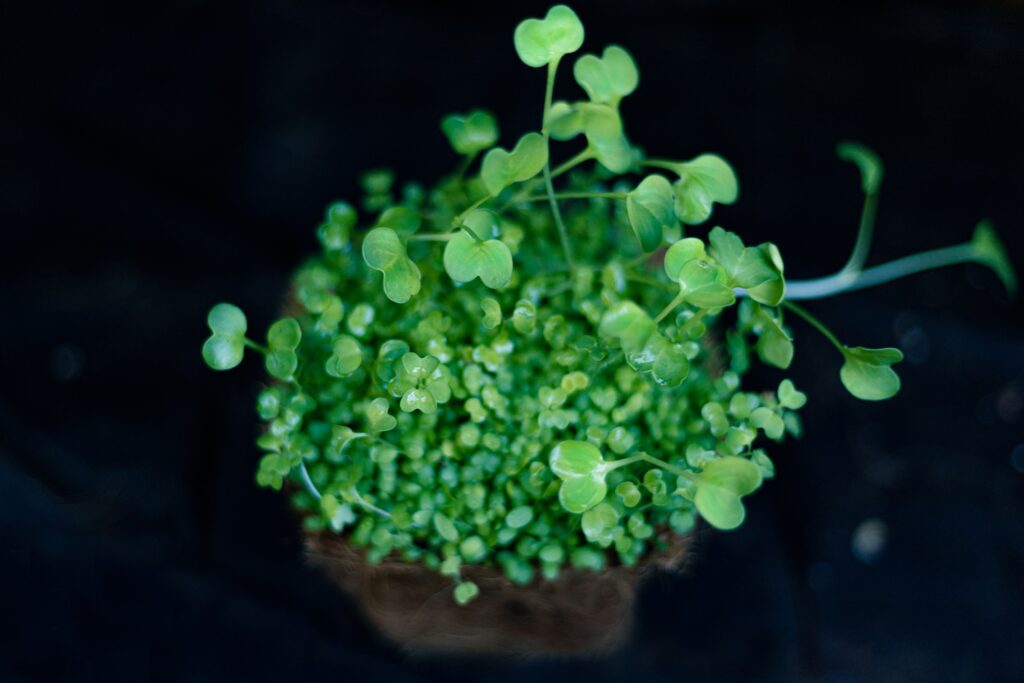
Microgreens are the seedlings of vegetables, herbs, and flowers harvested at the cotyledon stage — just after the first leaves emerge. They are harvested when 1–3 inches tall, before the plant develops its true leaves.
Microgreens are not the same as sprouts — sprouts are germinated seeds eaten root and all, while microgreens are grown in soil or another medium and harvested by cutting above the soil level.
| Feature | Detail |
|---|---|
| Harvest time | 7–21 days depending on variety |
| Nutrition | Up to 40 times more nutrients than mature plants of the same species |
| Flavor | Intense, concentrated version of the mature plant’s flavor |
| Space needed | A single tray on a windowsill or countertop |
| Equipment needed | Shallow tray, growing medium, seeds, water |
2. Best Microgreen Varieties to Grow
| Variety | Days to Harvest | Flavor | Difficulty |
|---|---|---|---|
| Radish | 7–10 days | Spicy, peppery | Very easy ⭐ — best for beginners |
| Sunflower | 10–12 days | Nutty, mild | Very easy ⭐ — one of the most popular |
| Pea shoots | 10–14 days | Sweet, fresh pea flavor | Very easy ⭐ — large seeds, fast growth |
| Broccoli | 7–10 days | Mild, slightly spicy | Easy ⭐ — very nutritious |
| Amaranth | 10–14 days | Earthy, mild | Easy ⭐ — beautiful pink/red color |
| Basil | 14–21 days | Intense basil flavor | Moderate ⭐⭐ — needs warmth and care |
| Mixed salad blend | 10–14 days | Mixed flavors | Easy ⭐ — great for beginners |
Best for absolute beginners: Radish or sunflower — both germinate reliably, grow quickly, and are very forgiving of imperfect conditions.
3. What You Need to Grow Microgreens
- Shallow trays — 1–2 inches deep. Standard 10×20 inch trays are ideal. One tray with drainage holes, one solid tray beneath for bottom watering.
- Growing medium — Potting mix, coco coir, or dedicated microgreen growing medium
- Microgreen seeds — Use seeds specifically sold for microgreens — they’re untreated and safe for eating at the seedling stage
- Spray bottle — For misting during germination
- Cover or dome — To create humidity during germination (another tray works perfectly)
- Light source — Sunny windowsill or LED grow light
- Scissors or sharp knife — For harvesting
4. Best Growing Medium for Microgreens
| Growing Medium | Pros | Cons |
|---|---|---|
| Potting mix | Widely available, provides nutrients, easy to use | Can be heavy, may contain pests |
| Coco coir | Lightweight, sterile, excellent moisture retention | No nutrients — add liquid fertilizer if growing beyond 14 days |
| Microgreen growing mat | Clean, no mess, reusable | More expensive, less suitable for larger seeds |
| Vermiculite | Sterile, lightweight, good for small seeds | No nutrients, less moisture retention than coco coir |
Best for beginners: Coco coir or potting mix — both are widely available, easy to use, and produce excellent results.
5. How to Plant Microgreens Step by Step
- Prepare your tray — Place the drainage tray on top of the solid tray. Fill with 1–1.5 inches of growing medium and press gently to level the surface.
- Pre-moisten the medium — Water thoroughly before sowing and allow to drain. The medium should be moist but not waterlogged.
- Sow seeds densely — Scatter seeds evenly across the surface. Microgreens are sown much more densely than regular vegetables — seeds should be close together but not piled on top of each other.
- Press seeds into the medium — Gently press all seeds into contact with the growing medium using a flat object.
- Cover with another tray — Place a second tray on top to create darkness and humidity. This is the germination phase.
- Check daily — Lift the cover once a day to check moisture. Mist if needed.
- Remove cover when seeds sprout — Once seeds have germinated and are pushing against the cover (usually 2–4 days), remove the cover and move to light.
6. Light Requirements for Microgreens
| Light Source | Effectiveness | Notes |
|---|---|---|
| South-facing windowsill | Good | Best natural light option — rotate tray daily for even growth |
| East or west-facing windowsill | Acceptable | May produce slightly leggier microgreens than south-facing |
| LED grow light | Excellent | Best option — consistent light from above, run 14–16 hours per day |
| North-facing windowsill | Poor | Insufficient light — microgreens become leggy and pale |
7. How to Water Microgreens
Watering microgreens correctly is critical — too much water causes mold and damping off, while too little causes poor germination and growth.
Germination phase (days 1–4, under cover):
- Mist the surface lightly once a day if it looks dry
- The cover helps retain humidity — avoid overwatering during this phase
Growing phase (after cover is removed):
- Switch to bottom watering — pour water into the solid tray beneath and allow the growing medium to absorb from below
- Bottom watering keeps the foliage dry — which prevents mold and disease
- Water when the growing medium starts to feel dry — usually every 1–2 days
- Empty any standing water after 30 minutes
8. When and How to Harvest Microgreens
Microgreens are ready to harvest when they reach 1–3 inches tall and have developed their first set of true leaves — or just before, at the cotyledon stage, depending on the variety and your preference.
How to harvest:
- Hold a small bunch of microgreens gently
- Use sharp scissors to cut just above the soil level
- Harvest the entire tray in one session for the best freshness
- Rinse gently and dry with a paper towel before using
Storage: Place harvested microgreens in an airtight container lined with a paper towel. Store in the refrigerator for up to a week. For the best flavor and nutrition, use within 2–3 days of harvesting.
9. Succession Growing for Continuous Harvest
The key to always having fresh microgreens available is succession growing — starting a new tray every 5–7 days.
- Start a new tray every week — by the time you’ve harvested one, the next is nearly ready
- Use 3–4 trays on rotation for a continuous supply
- Mix varieties across your trays for a variety of flavors and textures
- Label trays with the sow date so you know which to harvest first
10. Top Tips for Growing Microgreens at Home
| Tip | Why It Matters |
|---|---|
| Use bottom watering after germination | Keeps foliage dry — prevents mold and damping off |
| Sow densely | Dense sowing produces the thick, lush growth that microgreens are known for |
| Keep it dark during germination | Darkness and humidity encourage fast, even germination |
| Use a grow light | Consistent overhead light produces straight, even microgreens |
| Start new trays weekly | Succession sowing ensures a continuous supply |
| Harvest at the right time | Microgreens are most nutritious and flavorful just before or at the cotyledon stage |
Final Thoughts
Microgreens are one of the most rewarding and accessible forms of container growing available. Fast, nutritious, delicious, and genuinely fun to grow — they’re the perfect starting point for new gardeners and a satisfying ongoing project for experienced ones.
Start with radish or sunflower seeds, get your watering and light right, and you’ll be harvesting fresh, vibrant microgreens in less than two weeks. Once you start growing your own, it’s hard to imagine buying them again. 🌱
Have questions about growing microgreens at home? Visit the Contact page — I’d love to hear from you!
— mumu, Green Garden Tips